
Choosing between a digital piano and an acoustic piano is a pivotal decision for any aspiring musician or home decorator. Rather than searching for a universally superior instrument, the key is to diagnose your specific living situation, practice habits, and long-term budget. Both options offer distinct advantages, and the right choice is the one that harmonizes with your daily life.
By evaluating how each instrument interacts with your home environment and musical goals, you can make an informed investment. This guide breaks down the essential factors to help you determine which piano truly fits your space and your musical journey.
Assess Your Living Space and Environment
Physical layout and local climate play a massive role in deciding which instrument is viable for your home. Acoustic upright and grand pianos are incredibly heavy, often requiring professional movers and a structurally sound floor that can support hundreds of kilograms. In contrast, digital pianos are lightweight and compact, making them easy to position, rearrange, or transport to a new home.
Products mentioned in this guide
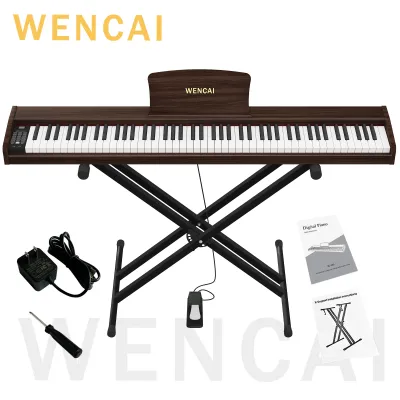
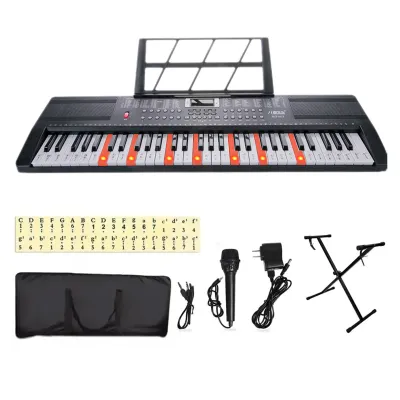
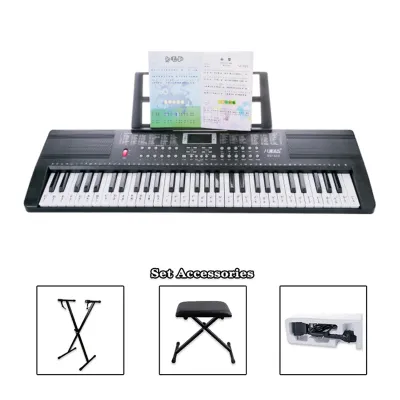
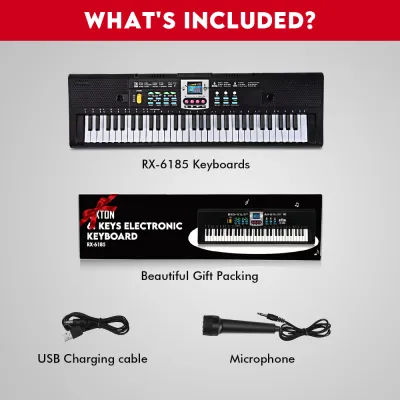
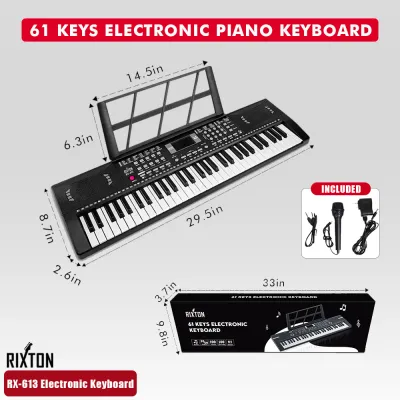
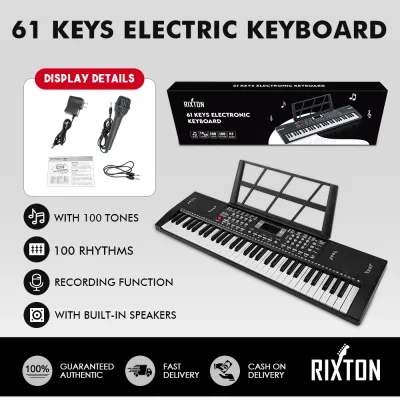
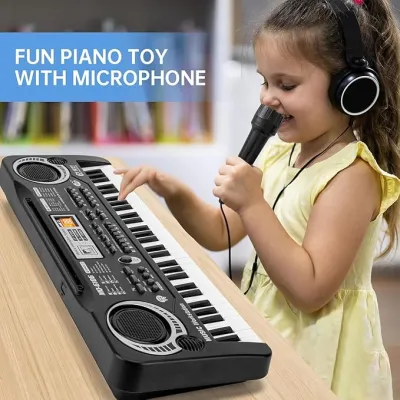
Prices are valid at publication and may change. Please refer to the product page for the latest price.
Noise tolerance is another critical factor in shared living spaces. Acoustic pianos produce a rich, loud sound that cannot be turned down, which can easily disturb family members or neighbors in close proximity. Digital pianos solve this issue by offering adjustable volume controls and dedicated headphone jacks, allowing you to practice silently at any hour of the day or night.
Furthermore, tropical climates present unique challenges for traditional instruments. In regions with high humidity and temperature fluctuations, such as the Philippines, the wooden soundboards, felt hammers, and metal strings of an acoustic piano are highly susceptible to moisture damage. This environmental sensitivity can lead to sticking keys, warped wood, and rusted strings, requiring constant climate control. Digital pianos, while still requiring protection from direct sunlight and liquid spills, are far more resilient to humid conditions.
Define Your Practice Needs and Musical Goals
The physical feel of the keys and the way sound is produced will directly impact your playing experience. Traditional acoustic pianos utilize a complex mechanical action where pressing a key throws a felt hammer against metal strings. This physical mechanism provides a natural weight and dynamic responsiveness that classical pianists rely on for expressive performances.

Digital pianos attempt to replicate this tactile experience using weighted keys and graded hammer action. While high-quality digital models offer a highly realistic feel, entry-level keyboards often lack the resistance needed to build proper finger strength. If your goal is to play classical repertoire or eventually transition to an acoustic instrument, prioritizing a digital model with fully weighted keys is essential.
Sound production also differs fundamentally between the two categories. Acoustic pianos create an organic, three-dimensional resonance as the entire wooden cabinet vibrates with the strings. Digital pianos play back high-quality recorded samples or use digital modeling to simulate this sound through built-in speakers. While modern digital technology is incredibly advanced, it cannot fully replicate the physical vibration and acoustic presence of a traditional soundboard.
However, digital instruments offer modern utilities that acoustic pianos simply cannot match. Built-in metronomes, recording functions, and a variety of instrument voices can make daily practice more engaging. Many digital models also feature USB, MIDI, or Bluetooth connectivity, allowing you to connect seamlessly to educational apps, interactive sheet music, and music production software.
Compare the True Cost of Ownership
Understanding the long-term financial commitment of your purchase requires looking far beyond the initial showroom price tag. Acoustic pianos generally require a substantial upfront investment, even when purchasing a pre-owned upright model. Digital pianos offer a much wider range of budget-friendly entry points, making them highly accessible for beginners who are testing their long-term interest.
Owning an acoustic piano also introduces mandatory, recurring maintenance costs. To keep the strings at the correct pitch and prevent mechanical degradation, you must hire a professional technician to tune the instrument at least once or twice a year. In humid climates, you may also need to invest in specialized dehumidifying rods installed inside the piano cabinet, alongside periodic action regulation and voicing.
Digital pianos require virtually no ongoing maintenance costs, as they never go out of tune. Your primary financial focus after the initial purchase will be budgeting for high-quality accessories. Investing in a sturdy stand, a comfortable bench, a reliable sustain pedal, and a pair of high-quality monitoring headphones will ensure a comfortable and productive practice environment.
Decision Matrix: Which Piano Matches Your Profile?
The Acoustic Candidate is a player who prioritizes authentic tactile feedback, natural resonance, and traditional aesthetics above all else. This choice is ideal if you have a dedicated, ground-floor space with stable climate controls, such as consistent air conditioning. You must also have a flexible budget for regular professional tuning and a household or neighborhood that tolerates open acoustic practice.
The Digital Candidate is a practical choice for apartment or condominium dwellers, frequent movers, and budget-conscious buyers. If you need the flexibility of silent practice, want to avoid recurring maintenance fees, or plan to integrate your playing with digital learning tools, a digital piano is the logical fit. It offers predictable costs and modern versatility without compromising on fundamental learning capabilities.
For those caught between these two profiles, transitional and hybrid options are worth exploring. High-end digital pianos often feature real wooden keys and advanced action mechanisms to mimic the exact touch of an acoustic grand. Alternatively, hybrid acoustic pianos feature physical strings and hammers alongside a silent digital system, allowing you to switch to headphone mode when quiet practice is required.
Frequently Asked Questions (FAQ)
Can I learn on a digital piano and switch to an acoustic later?
Yes, you can successfully transition from a digital piano to an acoustic piano, provided you practice on a digital model with fully weighted keys. Weighted keys simulate the physical resistance of an acoustic action, helping you develop the necessary finger strength and control. Practicing on unweighted or semi-weighted keys can make the eventual transition to a heavy acoustic action difficult and fatiguing.
How long do digital and acoustic pianos typically last?
A well-maintained acoustic piano can last for decades, often fifty years or more, making it a long-term investment that can be passed down through generations. Digital pianos, like most electronic devices, have a shorter lifespan, typically lasting ten to twenty years. Over time, the internal electronic sensors may wear down, and the digital sound technology will eventually become obsolete compared to newer models.
Do I need to tune a digital piano?
No, digital pianos do not require tuning. They produce sound by playing back digital recordings of acoustic pianos or using mathematical modeling, meaning the pitch remains perfectly stable regardless of temperature, humidity, or heavy use. This eliminates the recurring cost of hiring a professional piano tuner, making digital models highly cost-effective over time.
Community discussion
Share your experience or ask a question. Comments are reviewed before publication.