
Choosing between a digital piano and an acoustic piano is one of the most significant decisions an aspiring musician, parent, or hobbyist will make. The right choice depends on your living space, budget, musical goals, and how much time you can dedicate to instrument maintenance. While an acoustic piano offers an organic, resonant playing experience, a digital piano provides modern convenience, silent practice options, and resilience against challenging environmental factors.
To make an informed investment, you must look beyond the initial aesthetic appeal of these instruments. Evaluating how each type aligns with your daily routine, your home’s climate, and your long-term musical aspirations will ensure you select an instrument that inspires you to play every day.
How Sound and Key Action Differ Between Digital and Acoustic Pianos
The fundamental difference between acoustic and digital pianos lies in how they produce sound and how the keys feel under your fingers. An acoustic piano is a complex mechanical instrument. When you press a key, a felt-covered wooden hammer strikes physical steel strings, which vibrate and transfer energy to a wooden soundboard. This process creates a rich, complex sound filled with natural overtones and sympathetic resonance that vibrates through the entire cabinet of the instrument.
Products mentioned in this guide
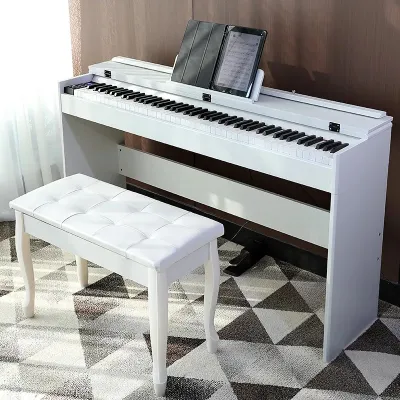
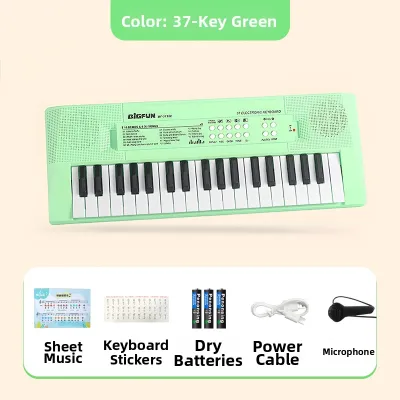

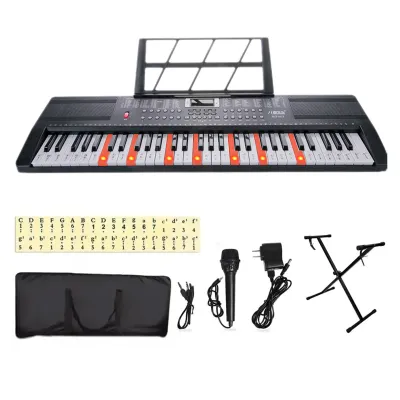
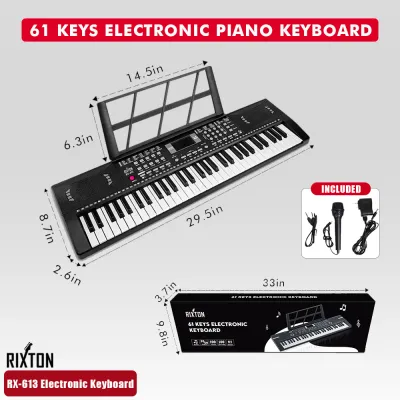
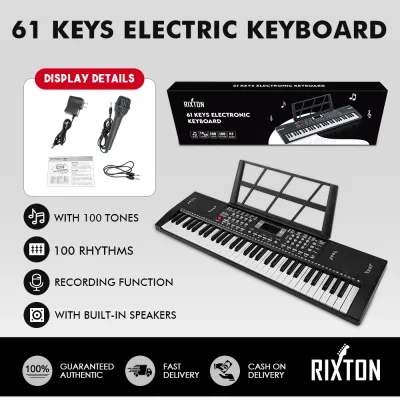

Prices are valid at publication and may change. Please refer to the product page for the latest price.
In contrast, a digital piano generates sound electronically. When you press a key, the instrument triggers a digital recording—known as a sample—of a high-end acoustic grand piano. Advanced digital models also use physical modeling, which uses mathematical algorithms to simulate the complex acoustic interactions of strings, dampers, and cabinets in real time. This technology aims to recreate the organic behavior of an acoustic instrument without the physical moving parts.
Key action is another critical area of comparison. Acoustic pianos utilize a complex hammer action mechanism that naturally creates resistance. Because the hammers in the bass register are larger than those in the treble register, the keys on the left side of an acoustic piano feel heavier than those on the right. This characteristic is known as graded key action.
Digital pianos attempt to replicate this physical sensation using weighted and graded key actions. Instead of simple springs, quality digital models use small metal weights or actual wooden hammers inside the chassis to simulate the resistance of an acoustic action. When shopping, you should check the manufacturer specifications for graded hammer action systems and high polyphony counts—such as 128 or 256 notes—rather than relying solely on vague marketing terms like “realistic touch.” High polyphony ensures that sustained notes do not cut off abruptly during complex musical passages.
Space, Maintenance, and Daily Lifestyle Considerations
Your living environment plays a decisive role in determining which piano is practical for your home. Acoustic upright and grand pianos have a substantial physical footprint and are exceptionally heavy, often weighing between 200 and 500 kilograms. This weight requires a permanent location on a structurally sound floor, making them difficult to move without professional assistance. If you live in a high-rise condominium or rent your home, moving an acoustic piano can be a logistical challenge.

Digital pianos offer far greater flexibility. They are available in various form factors, from slim digital consoles that hug the wall to highly portable stage pianos that can be packed into a gig bag. Because they lack heavy cast-iron plates and solid wood cabinets, digital pianos are lightweight and easy to rearrange or transport.
Maintenance is another area where the two types diverge significantly. Acoustic pianos are crafted from organic materials like wood, felt, and leather, making them highly sensitive to environmental changes. In tropical climates with high humidity, such as the Philippines, wood can swell, causing keys to stick, action parts to sluggishly respond, and steel strings to rust. To protect an acoustic piano in these conditions, you must invest in continuous climate control, such as dedicated room dehumidifiers or specialized internal heater rods, and schedule professional tuning at least twice a year.
Digital pianos are virtually immune to humidity-induced tuning issues. Because they rely on electronic tone generation, they never require tuning, saving you significant maintenance effort over time. Furthermore, digital pianos are ideal for shared living spaces or close-quarters neighborhood living. The ability to plug in headphones allows you to practice at any hour of the day or night without disturbing family members or neighbors, while adjustable volume controls let you balance the instrument with your surroundings.
Upfront Costs and Long-Term Ownership Expenses
Understanding the true cost of piano ownership requires looking beyond the price tag on the showroom floor. The initial investment for both types of instruments spans several tiers, and you should verify current retail prices in ₱ at local authorized distributors to establish a realistic budget. Generally, entry-level digital pianos are significantly more accessible than even the most affordable acoustic uprights, making them an attractive option for beginners who are testing their long-term commitment to the instrument.
As you move into mid-range and professional categories, the price gap can widen. High-end digital pianos feature sophisticated wooden key actions, multi-speaker sound systems, and premium cabinet designs. However, a brand-new, high-quality acoustic upright or grand piano remains a premium investment that reflects the intensive craftsmanship and materials required to build it.
Long-term ownership of an acoustic piano involves recurring expenses that do not apply to digital models. Professional tuning services, which are necessary to keep the instrument in pitch, represent an ongoing financial commitment. Additionally, if you move houses, you must hire specialized piano movers to transport the instrument safely and prevent structural damage, which carries a premium fee compared to standard moving services. You must also factor in the electricity costs of running dehumidifiers or heater rods to protect the wood and strings from tropical moisture.
While digital pianos do not require tuning or climate-control accessories, they do have their own set of potential accessory costs. Depending on the model you choose, you may need to purchase a dedicated wooden stand, a matching bench, a high-quality sustain pedal or triple-pedal unit, and premium headphones. If you plan to record your playing or connect to external devices, you should verify device compatibility, authorized software sources, and regional restrictions for digital piano apps before purchasing accessories like audio interfaces or MIDI cables.
Built-in Features for Learning, Practice, and Connectivity
Modern digital pianos excel at integrating technology into the learning and music creation process. One of the most significant advantages is the inclusion of silent practice capabilities. By plugging in a pair of studio headphones, you can practice repetitive drills or learn new pieces in complete privacy, which builds confidence for beginners who might feel self-conscious about making mistakes.
Connectivity options further expand the utility of digital instruments. Most contemporary digital pianos feature USB-to-Host or MIDI ports, allowing you to connect the keyboard to a computer, tablet, or smartphone. This connectivity enables seamless integration with educational software, interactive learning apps, and digital audio workstations (DAWs) for music production. Many models also include Bluetooth audio and MIDI, allowing you to stream backing tracks directly through the piano’s speakers or control virtual instruments wirelessly. Always check specific model specifications to verify compatibility with your specific operating system or smart devices.
Additionally, digital pianos come equipped with built-in tools designed to enhance your practice sessions. Integrated metronomes help you develop a steady sense of rhythm, while onboard recording functions allow you to listen back to your performances and objectively analyze your progress. Many digital models also offer a variety of instrument sounds, such as electric pianos, organs, harpsichords, and string ensembles, which can be layered together to create rich textures. Acoustic pianos require external add-ons, separate devices, or physical modifications to achieve any of these technological functions.
Final Decision Framework: Which Piano Should You Buy?
To make your final decision, evaluate your personal circumstances against the following practical scenarios.
Choose an acoustic piano if:
- You prioritize the authentic, organic touch and physical vibration of a traditional hammer action.
- You want to experience the natural, uncompressed acoustic resonance that only a physical soundboard and strings can produce.
- You are committed to classical training or advanced performance preparation where subtle tonal control is essential.
- You view the instrument as a long-term investment and a beautiful piece of furniture that can be passed down through generations.
Choose a digital piano if:
- You live in a condominium, apartment, or shared household where noise control and silent headphone practice are necessary.
- Your home has limited floor space or you anticipate moving frequently in the near future.
- You want to avoid the recurring costs and effort of professional tuning and tropical humidity management.
- You have a strict budget and want the highest quality key action and sound available within that limit.
- You want to utilize modern learning apps, record your music digitally, or explore different instrument sounds.
Verify first if:
- Your designated room has the exact physical dimensions and floor weight capacity to safely accommodate a heavy acoustic upright.
- Your local area has qualified piano tuners and technicians who can service an acoustic instrument regularly.
- Your specific music curriculum or teacher requires a physical acoustic action for advanced examinations and technical development.
Frequently Asked Questions (FAQ)
How long do digital pianos last compared to acoustic ones?
A well-maintained acoustic piano can last for decades, often exceeding a century, because its components are purely mechanical and can be individually repaired, rebuilt, or replaced by a skilled technician. Digital pianos, however, rely on electronic components that naturally degrade over time. A quality digital piano typically has a functional lifespan of ten to twenty years before the electronics become obsolete or difficult to repair. When purchasing a digital model, always check the manufacturer’s warranty terms and verify the availability of local authorized service centers.
Is it harder to learn on a digital piano?
Learning the fundamentals of music—such as reading notation, understanding rhythm, and developing hand coordination—is identical on both instruments. If you practice on a digital piano with fully weighted, graded keys, your transition to an acoustic piano will be relatively seamless because your fingers will have developed the necessary strength and control. However, learning on an unweighted or semi-weighted keyboard can make transitioning to an acoustic piano challenging, as your hands will need to adjust to the significantly heavier key resistance of a mechanical action.

Community discussion
Share your experience or ask a question. Comments are reviewed before publication.