
Finding your footing in the financial world as a young professional in the Philippines can feel like navigating a crowded city intersection during rush hour. With entry-level salaries often stretched thin by rising daily expenses, transport costs, and the constant temptation of online shopping sales, choosing the right guide to manage your money is a critical first step. The choice between a specialized guide like ‘Debt and Pleasure’ and broader beginner wealth-building books is not about finding a universal winner. Instead, it is about matching a book’s core philosophy to your current financial reality.
If your immediate challenge is breaking a cycle of impulse buying and managing credit card balances, a psychologically driven book is your best starting point. Conversely, if you have already established a basic savings buffer and want to grow your assets, a general wealth-building guide will serve you far better. This guide breaks down the core differences to help you match the right book to your specific financial stage.
Core Focus of 'Debt and Pleasure': What to Expect
To make an informed purchase, you must first understand the specific financial philosophy that ‘Debt and Pleasure’ champions. Unlike traditional finance books that immediately dive into spreadsheets, budgeting percentages, and investment portfolios, this book centers on the psychological relationship between emotions and spending. It explores why we make certain financial decisions, focusing heavily on the instant gratification of spending versus the long-term stress of accumulated debt.
Products mentioned in this guide
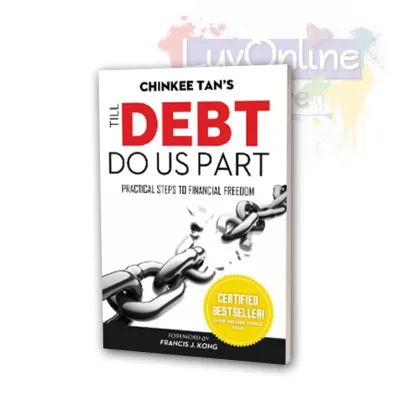

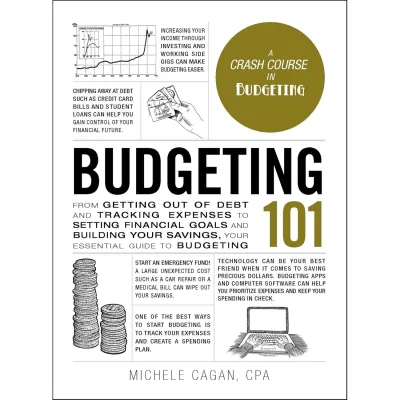
Prices are valid at publication and may change. Please refer to the product page for the latest price.
The primary themes of the book revolve around consumer psychology, debt elimination strategies, and identifying the emotional triggers that lead to lifestyle inflation. It addresses the modern phenomenon of spending to relieve stress or to project a certain image on social media. This approach helps you dissect the root causes of your financial habits rather than just treating the symptoms of a low bank balance.
The reader profile that benefits most from this book includes young adults who find themselves trapped in a cycle of paycheck-to-paycheck living, particularly those overwhelmed by credit card balances or personal loans. If you find yourself using buy-now-pay-later services to fund lifestyle upgrades, this book offers the behavioral mirror you need. Before buying, it is wise to review the table of contents or a verified summary to ensure the chapters target your specific type of financial anxiety.
Comparing Approaches: Debt Management vs. General Wealth Building
When comparing ‘Debt and Pleasure’ to general wealth-building books, the most striking difference lies in their core methodologies. ‘Debt and Pleasure’ is behavioral and defensive, focusing on stopping financial leaks, changing habits, and aggressively paying down high-interest consumer debt. General wealth-building guides, on the other hand, are mathematical and offensive, assuming you already have a stable foundation and focusing instead on asset allocation, compounding interest, and long-term investing.

Another critical dimension to consider is how these books handle local financial realities. Many popular personal finance books are written by Western authors and assume access to specific financial systems, such as 401(k) plans, Roth IRAs, or specific international index funds. A young reader in the Philippines must evaluate whether a book’s advice translates well to the local landscape, which features different tax structures, inflation rates, and domestic investment vehicles like Pag-IBIG MP2, local unit investment trust funds (UITFs), or cooperative savings.
The actionable takeaways also differ significantly between these two categories. A debt-focused book will provide structured frameworks for prioritizing debt payoff, such as the debt snowball or debt avalanche methods, paired with psychological exercises to curb spending. A general wealth guide will instead offer formulas for calculating your retirement needs, strategies for diversifying your income, and advice on how to automate your savings to benefit from long-term compounding.
Decision Framework: Match the Book to Your Financial Reality
To choose the right book, you must honestly assess your current financial situation and identify your most pressing need. If you are actively struggling with credit card debt, personal loans, or a persistent habit of impulse buying, ‘Debt and Pleasure’ is the clear choice. It provides the psychological reset necessary to stop accumulating debt and start reclaiming control over your monthly cash flow.
If you are already debt-free, have established a basic emergency fund, and are looking for ways to make your money work for you, you should bypass debt-focused guides. Instead, opt for general wealth-building books that teach the fundamentals of investing, passive income, and tax optimization. Spending time on debt-management strategies when you have no debt can delay your progress in learning how to build a robust investment portfolio.
Regardless of which book you choose, always verify if you need to supplement international advice with highly localized resources. If your chosen book focuses on foreign financial systems, plan to pair it with official educational materials from the Bangko Sentral ng Pilipinas (BSP) or reputable local banking institutions. This ensures you understand how to apply general financial principles within the context of local interest rates, inflation, and regulatory frameworks.
Pre-Purchase Checklist: Editions, Formats, and Authorized Sellers
Before finalizing your purchase, take a moment to verify the book’s specifications to ensure you receive a complete and useful copy. Check the publication date and edition, as financial landscapes and regulations can change over time, making older editions less relevant. Additionally, confirm the language of the edition to ensure the concepts are explained in a way that is fully comprehensible to you.
You should also decide on the format that best fits your daily routine and learning habits. Physical books are excellent for active study, allowing you to highlight key passages and write notes in the margins, though they require care to protect them from tropical humidity. E-books and audiobooks offer unmatched convenience for reading during long daily commutes, but you must verify device compatibility and supported file formats, such as EPUB or PDF, on the seller’s page before buying.
Finally, ensure you purchase only from authorized physical bookstores, official publisher websites, or verified flagship stores on reputable e-commerce platforms. The market is often flooded with cheap, unauthorized physical copies that suffer from missing chapters, poor print quality, or inaccurate translations. Buying from official sources guarantees you receive a complete, high-quality edition while supporting the authors and publishers who create these educational resources.
Frequently Asked Questions (FAQ)
Is 'Debt and Pleasure' suitable for readers with zero debt?
Yes, the book can still offer valuable insights even if you do not currently owe money. The chapters focusing on consumer psychology, emotional spending triggers, and avoiding lifestyle inflation are highly beneficial for maintaining a healthy financial baseline. However, if your primary goal is to learn about active investing and wealth accumulation, a general personal finance book will provide more immediately actionable steps for your specific stage.
Do I need a specific e-reader device to buy the digital version?
No, you do not always need a dedicated e-reader device, but you must check the compatibility requirements listed by the seller. Most digital editions are delivered in standard formats like EPUB or PDF, which can be read on smartphones, tablets, or laptops using free reading applications. Always verify whether the digital copy requires a specific proprietary app or if it can be accessed across multiple devices before completing your purchase.

Community discussion
Share your experience or ask a question. Comments are reviewed before publication.