
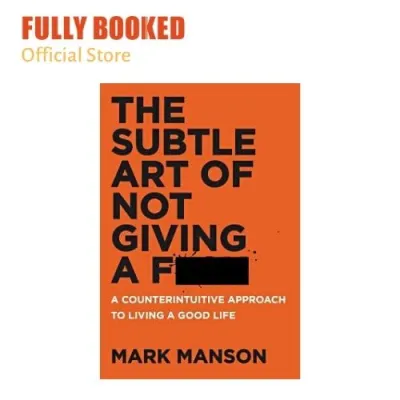
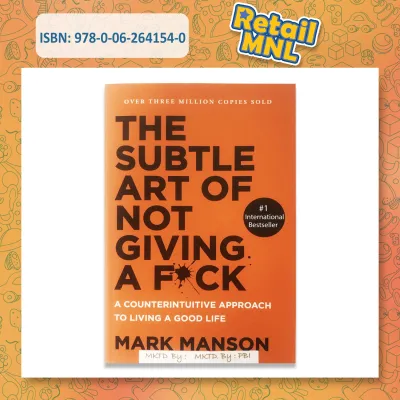
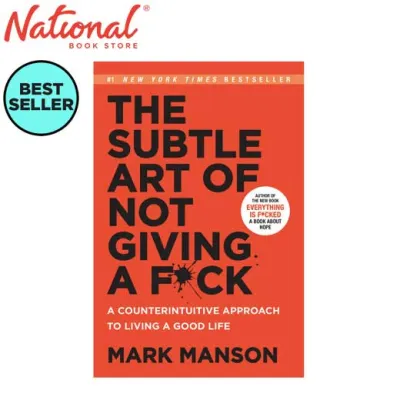
Finding personal growth literature that truly resonates often requires moving past superficial platitudes. For many readers, the appeal of a book like The Subtle Art of Not Giving a Fck* lies in its refreshing, counterintuitive approach to life’s inevitable struggles. Instead of promising endless happiness, it suggests that life is a series of problems to be solved and that choosing what to care about is the ultimate form of personal agency. For readers in the Philippines, where daily life involves navigating dense urban commutes, high-humidity environments that test patience, and deep-seated cultural expectations, this pragmatic philosophy offers a grounded alternative to traditional, overly optimistic self-help.
The search for similar literature is not just about finding another bestseller; it is about discovering frameworks that help you navigate modern anxieties without forcing a smile. When you are balancing demanding work schedules with deep family obligations, generic advice to “just stay positive” can feel dismissive. A counterintuitive self-help book acknowledges the difficulty of your circumstances and provides practical tools to manage your response to them. By focusing on realistic boundaries and selective indifference, you can build a mindset that is resilient to both daily inconveniences and major life transitions.
To find books that deliver this level of impact, you must look beyond eye-catching covers and provocative titles. The goal is to identify literature that challenges conventional wisdom while offering actionable insights that you can apply to your specific situation. This guide will help you understand what makes a book truly counterintuitive, evaluate your readiness for this blunt style of personal growth, and build a personalized reading list that respects both your personal goals and your cultural context.
Products mentioned in this guide

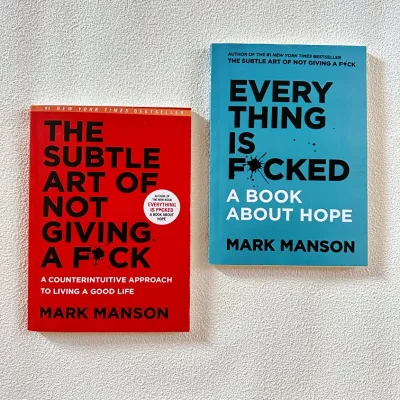
Prices are valid at publication and may change. Please refer to the product page for the latest price.
What Makes a Self-Help Book "Counterintuitive" and "No-Nonsense"?
A genuine counterintuitive self-help book stands in stark contrast to the vast sea of motivational literature that dominates bookstore shelves. Traditional self-help often relies on the premise that positive thinking alone can manifest success, wealth, and happiness. In contrast, no-nonsense literature begins with the premise that life is inherently difficult, unfair, and limited. By accepting these harsh realities rather than trying to positive-think them away, readers can stop wasting energy on unrealistic expectations and focus on what they can actually control.
This genre is characterized by a deliberate rejection of hustle culture and forced optimism. Instead of urging you to work yourself to exhaustion or find a silver lining in every tragedy, these books encourage you to embrace your limitations. They argue that saying “no” to opportunities that do not align with your values is far more valuable than saying “yes” to everything in the pursuit of status. This shift from constant accumulation to intentional curation of your time and energy is a hallmark of the counterintuitive approach.
Furthermore, these books are built on solid philosophical or psychological foundations rather than purely anecdotal success stories. While the tone may be casual and irreverent, the underlying concepts often draw from established frameworks such as Stoicism, Existentialism, or Cognitive Behavioral Therapy (CBT). For instance, the idea of focusing only on what is within your control is a direct adaptation of Stoic philosophy, repackaged for a modern audience. When evaluating a book, look for these deeper roots to ensure you are reading something with lasting substance rather than a collection of trendy catchphrases.
Finally, the author’s tone in these works is distinctively direct, conversational, and self-deprecating. A no-nonsense author does not position themselves as an infallible guru who has solved all of life’s mysteries. Instead, they openly discuss their own failures, embarrassing moments, and ongoing struggles. This vulnerability demystifies the process of personal growth, making it feel accessible and realistic rather than intimidating. The language is often blunt, sometimes incorporating sharp humor, which serves to break through the reader’s defensive rationalizations and deliver a much-needed reality check.
Assessing Your Readiness for Unconventional Personal Growth
Before diving into a reading list filled with blunt, reality-check literature, it is essential to evaluate whether this style of personal growth suits your current emotional state. Unconventional self-help is designed to disrupt comfortable patterns of thinking, which can sometimes feel jarring or invalidating if you are already feeling overwhelmed. If you are currently navigating acute grief, trauma, or a severe mental health crisis, a harsh, “stop complaining” approach may cause more distress than comfort. In these periods, gentle, supportive literature or professional counseling is often a safer and more effective choice.

On the other hand, if you find yourself stuck in a cycle of procrastination, chronic overthinking, or constant frustration with circumstances you cannot change, a no-nonsense book can provide the necessary catalyst for action. This style of writing is highly effective for individuals who feel stagnant and need a firm push to take responsibility for their choices. It helps you transition from a passive state of wishing things were different to an active state of deciding how to handle things as they are.
As you engage with this material, it is important to identify your personal triggers and set healthy boundaries with the content. Just because an author presents an idea with absolute certainty does not mean you must accept it without question. If a particular chapter feels overly aggressive or does not align with your core values, allow yourself to pause, reflect, and even disagree. Personal growth should not come at the expense of your mental well-being; you are always in control of how much of the author’s perspective you choose to adopt.
Additionally, you should align the book’s core message with your immediate life goals. If you are experiencing severe career burnout under the pressure of long office hours and intense commutes, a book that focuses on setting boundaries and redefining success will be far more beneficial than one that focuses on aggressive self-discipline. By matching the book’s specific theme to your current pain points, you ensure that the advice you receive is not just intellectually stimulating, but practically useful in your daily life.
Core Themes to Explore Beyond the Subtle Art of Not Giving
To expand your reading list beyond a single popular title, it helps to understand the core themes that define this genre. One of the most prominent themes is modern Stoicism and emotional regulation. This philosophy teaches that while we cannot control external events—such as sudden tropical storms, heavy traffic, or economic shifts—we have complete control over our reactions to them. Books in this category provide practical exercises to help you detach from immediate emotional reactions, analyze situations logically, and respond with calm, deliberate action.
Another critical theme is the psychology of setting boundaries and learning to say no. In many cultures, particularly those that place a high value on community and harmony, setting boundaries can feel incredibly uncomfortable. Literature focusing on this theme explores why we feel guilty when we prioritize our own needs and offers strategies to communicate our limits clearly and respectfully. This is not about becoming selfish; it is about recognizing that you cannot support others effectively if your own mental and emotional reserves are completely depleted.
Anti-hustle literature and the redefinition of success also play a major role in this genre. These books challenge the societal narrative that your worth as a human being is directly tied to your productivity, job title, or bank account balance. They encourage readers to question why they are chasing certain milestones and whether those goals actually bring fulfillment. By dismantling the myth of the endless hustle, this literature opens up space for a more balanced life that prioritizes rest, relationships, and personal well-being over constant professional advancement.
Finally, many counterintuitive books focus on embracing imperfection and accepting the concept of being “good enough.” In an era dominated by highly curated social media feeds, it is easy to fall into the trap of constant comparison. This theme reassures readers that it is entirely normal to have flaws, make mistakes, and lead an ordinary life. By letting go of the pressure to be extraordinary in every aspect of your existence, you free up significant mental energy to focus on the few areas that truly bring you genuine satisfaction and meaning.
Building a Condition-Based Reading Shortlist
When constructing your reading list, relying solely on generic bestseller rankings can lead to disappointing purchases. Instead, you should use a condition-based framework to select titles that match your specific preferences and practical needs. Start by researching the author’s background and credentials. An author who is a licensed therapist, a practicing psychologist, or an academic researcher will offer insights grounded in clinical practice and scientific study, whereas a lifestyle influencer may rely primarily on personal anecdotes that are difficult to replicate in your own life.
You should also pay close attention to reader reviews, specifically looking for feedback from individuals who have attempted to apply the book’s advice in real-world scenarios. Look for reviews that describe the practical exercises included in the book and whether they were easy to integrate into a daily routine. Avoid books that receive praise only for being “inspiring” or “motivational,” as these qualities often fade quickly once you close the cover, leaving you without concrete steps to take forward.
Format and accessibility are also crucial considerations, especially for readers in the Philippines. Physical books are wonderful to collect, but they are susceptible to the high humidity of a tropical climate, which can warp pages and damage covers over time if not stored in a dry, well-ventilated space. Ebooks and audiobooks offer excellent alternatives, providing immediate access without shipping delays or storage concerns. Audiobooks, in particular, can transform a long, stressful daily commute into a productive period of reflection and learning.
When purchasing physical books from online marketplaces, you must exercise caution to avoid unauthorized, counterfeit, or heavily abridged editions. The market is often flooded with cheap bootleg copies that are poorly printed, missing pages, or riddled with typographical errors that disrupt the reading flow. To ensure you are getting a complete and authorized edition, verify the seller’s credentials, check for official publisher logos, and compare the listed page count with the official publisher’s specifications. Investing in a genuine copy from a reputable local bookstore or authorized online distributor guarantees that you receive the complete, high-quality text as the author intended.
Adapting Unconventional Advice to Local Cultural Contexts
Much of the popular counterintuitive self-help literature is written from a Western, highly individualistic perspective. These books often advocate for radical self-reliance, cutting off toxic relationships immediately, and prioritizing personal happiness above all else. However, applying these concepts directly in the Philippines can create significant friction. Filipino culture is deeply rooted in communal values, family ties, and concepts like pakikisama (maintaining smooth interpersonal relationships) and utang na loob (a lifetime debt of gratitude).
To make this advice work for you, you must learn to reconcile boundary-setting with your cultural obligations. You do not need to completely sever ties with family members or isolate yourself from your community to protect your peace. Instead, practice selective indifference by choosing which expectations are truly worth your energy and which ones you can gently decline. For example, you can maintain a strong connection with your family while politely setting boundaries around financial requests or intrusive questions about your personal life, balancing respect with self-preservation.
It is also helpful to apply selective indifference to broader societal pressures rather than your core relationships. In many local communities, there is immense pressure to maintain a certain social status, buy expensive items to keep up appearances, or follow a traditional career path. By directing your indifference toward these superficial expectations, you can free up mental and financial resources to focus on what truly matters to you, while still remaining a supportive and active member of your family and community.
Finally, you must adjust career and financial advice to match local economic realities. Western books often suggest quitting a stable job on a whim to pursue a passion or starting a business with minimal safety nets. In a local context where social safety nets are limited and job markets can be highly competitive, a more pragmatic approach is essential. Use the book’s principles to find meaning and set boundaries within your current job, or build a side project gradually during your free time, ensuring your financial stability remains secure while you work toward personal growth.
Frequently Asked Questions (FAQ)
Are there local authors who write in a similar no-nonsense style?
Yes, you can find local writers who address personal growth, mental health, and societal pressures with a similarly direct and realistic tone. To discover these voices, look beyond the international bestseller sections and explore the offerings of local independent publishers, university presses, and literary collectives. Many contemporary Filipino essayists and non-fiction writers publish collections that tackle the unique challenges of modern local life—such as urban burnout, family dynamics, and economic pressures—with sharp wit, cultural nuance, and honest reflection. Visiting local independent book fairs or checking the digital catalogs of homegrown publishers is an excellent way to find these highly relevant perspectives.
How do I know if a translated edition retains the original tone?
Evaluating the quality of a translated self-help book requires a bit of research before purchasing. Start by looking for digital samples or preview pages online to compare a few paragraphs of the translation with the original English text. Pay attention to whether the translator has managed to preserve the author’s conversational flow, humor, and bluntness, or if the language feels overly formal and stiff. Additionally, search for reviews from bilingual readers on literary forums or online bookstores; these readers often provide valuable feedback on whether the translation successfully captures the unique spirit and tone of the original work or if key concepts were lost in translation.

Community discussion
Share your experience or ask a question. Comments are reviewed before publication.