
Choosing the right Roland digital piano as a beginner requires balancing your available living space, your budget, and the authenticity of the playing experience. Roland offers two primary pathways: portable slab-style instruments that can be easily stored away, and traditional cabinet-style digital pianos designed as permanent home fixtures. Your decision depends on whether you need a highly mobile instrument for a compact room or a stable, dedicated console that encourages daily practice in a fixed spot. By understanding how these designs align with your lifestyle, you can make an informed investment that supports your learning for years to come.
Understanding the Roland Digital Piano Lineup
Navigating the digital piano market can feel overwhelming due to the sheer variety of models available. Roland categorizes its instruments primarily by form factor, allowing you to choose between portable slab designs and fixed cabinet models. Portable slab models are lightweight, compact, and designed to sit on a table, a folding stand, or a matching wooden frame. These instruments are highly versatile, making them a popular choice for students, renters, or anyone who needs to maximize their living space.
In contrast, cabinet-style digital pianos feature integrated wooden stands, built-in three-pedal boards, and sliding key covers. These models are designed to mimic the physical presence and aesthetic appeal of an acoustic upright piano. They serve as dedicated practice stations and elegant pieces of furniture, making them ideal for households with a permanent space dedicated to music education.
Products mentioned in this guide
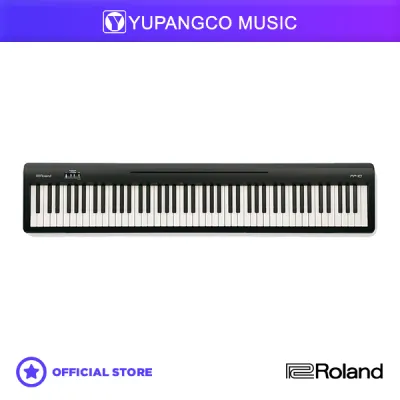
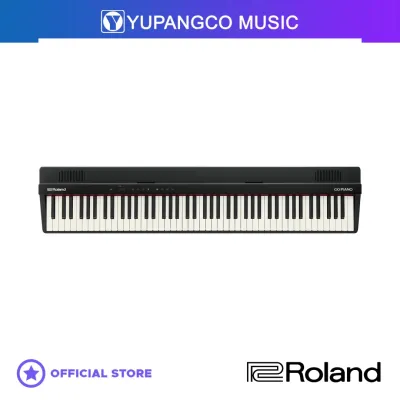
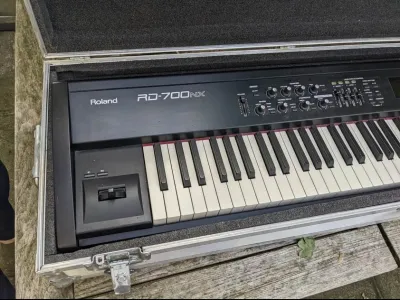
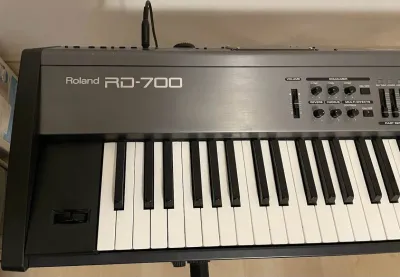
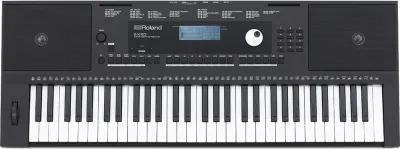
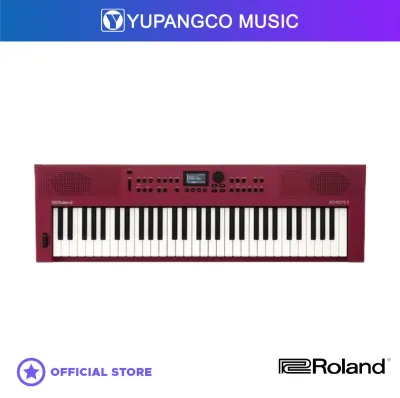
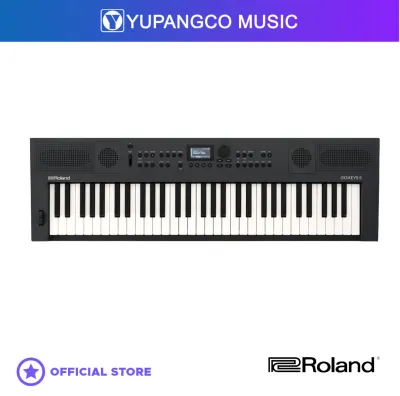
Prices are valid at publication and may change. Please refer to the product page for the latest price.
Because digital piano technology evolves, specific model numbers and product generations update frequently. Instead of focusing solely on memorizing exact model names, it is more practical to understand the characteristics of Roland’s core series. Focus on the underlying sound engines and key action specifications of the current lineup to determine which tier fits your needs, rather than worrying about minor model number suffixes.
Matching the Instrument to Your Space and Lifestyle
Your physical environment plays a significant role in determining which digital piano is right for you. In tropical climates where homes often feature open layouts to maximize airflow, placing a large, heavy wooden cabinet near windows or high-humidity areas can expose the instrument to dust and moisture. A portable slab model offers the flexibility to be positioned in the most climate-controlled area of your home and can be packed into a protective gig bag when not in use.

If you live in a shared household or a compact condominium, noise management is a vital consideration. One of the greatest advantages of a digital piano is the ability to practice silently using headphones. However, practicing for long hours in a warm climate means you should consider the comfort of your gear. Closed-back studio headphones can trap heat, so you may want to verify that your chosen piano’s headphone output is compatible with lighter, open-back, or highly breathable headphones.
While a portable unit offers unmatched flexibility, a fixed cabinet design provides superior physical stability. When you play expressive pieces that require dynamic force, a lightweight portable stand can wobble, which can disrupt your hand positioning. A dedicated cabinet model remains perfectly still, providing a solid foundation that closely mirrors the feel of an acoustic piano. Furthermore, having a beautiful instrument permanently set up in your living space serves as a constant visual invitation to practice.
Essential Features Every Beginner Should Verify
When evaluating different models, the key action is the most critical specification to verify. To build proper finger strength and correct playing habits, you need an instrument with fully weighted, hammer-action keys. Roland’s entry-level models often feature their proprietary hammer-action keyboard mechanisms, which simulate the physical resistance and natural rebound of acoustic piano hammers. Avoid unweighted or semi-weighted keyboards, as they do not provide the tactile feedback necessary to develop dynamic control and expressive touch.
Another technical specification to check is the polyphony count, which refers to the maximum number of individual notes the piano can produce at the exact same time. For a beginner, a minimum of 64-note polyphony is functional, but 128-note or 256-note polyphony is highly recommended. When you hold down the sustain pedal and play flowing arpeggios or layer a piano sound with strings, a higher polyphony count prevents older notes from being abruptly cut off by the sound engine.
Onboard learning tools can significantly enhance your daily practice sessions. A built-in metronome is essential for developing a steady sense of rhythm and timing. Additionally, look for basic recording capabilities that allow you to record your playing and listen to it objectively. Hearing your performance played back is one of the fastest ways to identify uneven timing, incorrect notes, and dynamic inconsistencies.
Finally, pay attention to the speaker configuration and audio output options. Entry-level portable models typically feature compact, built-in stereo speakers. In rooms with hard tile floors or concrete walls, which are common in local homes, sound can easily bounce and become muddy. Verify that the piano offers adjustable equalizer settings or specialized headphone sound optimization to ensure a clear, rich, and inspiring listening experience.
Setting a Realistic Budget and Evaluating Trade-offs
Establishing a clear budget helps you navigate the trade-offs between portability, key action quality, and sound performance. In the local market, entry-level digital pianos generally range from approximately ₱25,000 to ₱45,000. Within this price bracket, you can expect a high-quality portable slab equipped with fully weighted keys, a basic sustain pedal, and a reliable sound engine. This tier is excellent for beginners who want an authentic playing feel without paying for advanced cabinet aesthetics.
Stepping up to a mid-range budget of ₱50,000 to ₱80,000 typically transitions you into cabinet-style models or premium portable setups. This investment yields significant upgrades, including more powerful multi-speaker sound systems, advanced key actions with synthetic ivory textures, and higher polyphony limits. These features provide a more immersive playing experience and ensure the instrument will continue to support your development as you progress to intermediate and advanced classical pieces.
Remember to factor in secondary costs that are often excluded from the base price of portable models. A bare keyboard requires a sturdy stand (which can range from ₱2,000 to ₱6,000), a comfortable bench to maintain proper playing posture, and a pair of quality headphones. If you choose a cabinet model, these accessories—excluding headphones—are often bundled together in the box, which can simplify your purchase and offer better overall value.
Verifying Accessories and Device Compatibility
Before completing your purchase from an authorized music retailer or online marketplace, carefully verify the contents of the box. Portable models often ship with only a basic plastic foot switch rather than a progressive damper pedal. If you want to learn proper pedaling technique, you will likely need to purchase a continuous damper pedal separately to allow for half-pedaling techniques.
Check the physical connection ports on the back of the instrument to ensure compatibility with your existing gear. Many digital pianos utilize a 6.35mm (1/4-inch) stereo headphone jack, which requires a simple adapter if your headphones use a standard 3.5mm plug. Additionally, verify the presence of USB ports for connecting the piano to a computer or external audio interface.
Modern piano education often incorporates interactive software and mobile apps. Verify if the Roland model you are considering features Bluetooth MIDI or Bluetooth Audio connectivity. Wireless connectivity allows you to link the piano to a tablet or smartphone, enabling you to use interactive learning apps, display digital sheet music, or stream backing tracks directly through the piano’s built-in speakers for an engaging practice session.
Frequently Asked Questions (FAQ)
Do I need an 88-key piano to start learning?
Yes, starting with a full 88-key keyboard is highly recommended for anyone serious about learning the piano. Standard acoustic pianos have 88 keys, and classical, jazz, and contemporary sheet music are written with this full range in mind. If you start on a smaller 61-key or 73-key keyboard, you will quickly run out of keys on both the lower bass and higher treble ends as you progress past the first few months of lessons. Furthermore, 88-key instruments are almost exclusively the ones designed with fully weighted hammer action, which is vital for developing correct finger strength.
Can I use a generic keyboard stand instead of a dedicated cabinet?
You can use a generic stand, but you must select one carefully to ensure stability and safety. Lightweight single-X stands are highly prone to wobbling when you play with energy, which can disrupt your hand positioning and ruin your concentration. If you opt for a portable setup, look for a heavy-duty double-X stand, a Z-stand, or the manufacturer’s dedicated wooden stand designed specifically for that model. Always check the weight capacity of the stand against the weight of your digital piano to prevent accidental tipping.

Community discussion
Share your experience or ask a question. Comments are reviewed before publication.