
Starting your musical journey on the guitar or ukulele is an exciting milestone, but the sheer volume of accessories can feel overwhelming. For a beginner, selecting a guitar picks set that offers a diverse assortment of medium to medium-heavy gauges in standard teardrop shapes is the most practical way to begin. This variety allows you to experiment with different levels of flexibility and attack, helping you discover your personal preference for strumming and basic fingerpicking without committing to a single style too early. Rather than buying a bulk pack of a single thickness, a multi-gauge starter set serves as an affordable, low-risk laboratory for your developing technique.
Understanding Pick Thickness and Materials for Beginners
To make an informed choice, you must first understand how pick thickness, commonly referred to as gauge, influences your playing experience. Pick gauges are measured in millimeters and generally fall into three primary categories: thin, medium, and heavy. Thin picks, typically ranging from 0.46mm to 0.60mm, are highly flexible and bend easily against the strings. This flexibility makes them incredibly forgiving for basic rhythm strumming, as they glide over the strings with minimal resistance and produce a bright, crisp tone. However, they offer less control for single-note flatpicking and can feel flimsy as your speed increases.
Medium picks, usually measuring between 0.70mm to 0.88mm, represent the middle ground for most developing players. They offer enough flexibility for smooth strumming while retaining the stiffness required to articulate individual notes clearly. This balance makes them highly versatile across different musical genres. Heavy picks, which exceed 1.0mm, provide maximum control and a thick, warm tone because they do not bend when striking the string. While excellent for precise lead playing and heavy electric guitar riffs, they require a relaxed grip and developed hand technique to avoid catching on the strings or causing hand fatigue.
Products mentioned in this guide

![[COD] 12 20 50pcs Guitar Pick Electric Guitar Pick Acoustic Music Picks Plectrum Instrument Accessories Mixed Thickness Guitar Pick](https://img.lazcdn.com/g/p/e34bcd1514a8f7e8cf8f756c8e5beda0.jpg_400x400q80.jpg_.webp)





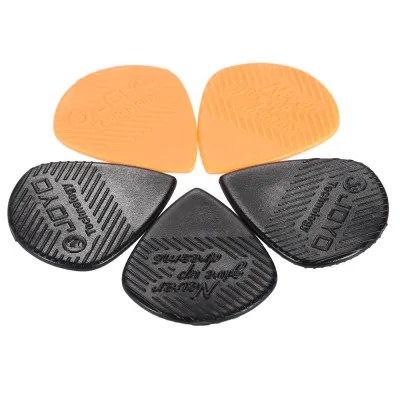
Prices are valid at publication and may change. Please refer to the product page for the latest price.
The material of the pick also plays a critical role in both durability and tone. Celluloid is one of the most common materials you will encounter in starter sets, known for its smooth texture and vintage, balanced tone that closely mimics traditional tortoise shell. While celluloid picks are highly popular, they can wear down relatively quickly and may become slippery when exposed to sweat. Nylon is another widely used option, favored for its extreme flexibility, durability, and natural textured grip. Nylon picks tend to produce a warmer, softer attack on the strings. Delrin, often marketed under various proprietary brand names, is a highly durable acetal polymer that offers a matte, chalky texture, providing excellent grip and a bright, modern tone with minimal wear over time.
When browsing pick sets, it is essential to check the manufacturer’s packaging or online product descriptions for material specifications. Look for clear labeling that indicates whether the picks are made of celluloid, nylon, or matte polymers, as this will give you a reliable preview of their texture and longevity.
Your choice of pick must also align with the specific instrument and string type you are playing. Acoustic guitars with steel or bronze strings have high tension and require a pick that can drive the heavy strings to produce adequate volume. Electric guitars, which feature lighter steel strings, allow for a wider range of pick thicknesses depending on whether you are playing rhythm or lead. Ukuleles, on the other hand, traditionally use soft nylon strings. Using a hard plastic pick on a ukulele can produce a harsh, clicking sound and can gradually damage the delicate nylon strings or the wooden body of the instrument. For this reason, ukulele players often opt for specialized felt or leather picks, though very thin, flexible nylon picks can sometimes be used with a light touch.
Key Features to Evaluate in a Beginner Guitar Picks Set
When evaluating a potential guitar picks set, the first feature to assess is the diversity of the gauges included in the package. A practical starter set should not simply offer a large quantity of identical picks; instead, it should provide a curated selection that spans from thin to heavy. This allows you to test different thicknesses side-by-side on the same chord progression or exercise. Look for sets that clearly label each pick with its exact millimeter measurement, rather than just labeling them as “light” or “heavy,” so you can precisely identify which thickness feels most comfortable as your skills progress.

The physical shape of the pick is another critical factor for initial technique development. The standard teardrop shape, often referred to as the 351 shape, is the industry standard for a reason. Its rounded shoulders and moderately pointed tip provide a familiar, balanced geometry that works well for almost all playing styles. While you may encounter specialized shapes, such as oversized triangle picks, small jazz picks, or novelty shapes with extreme points, beginners should prioritize standard profiles. Learning on a standard teardrop pick ensures you develop a neutral, transferable grip that will serve you well regardless of the brand or style of pick you use in the future.
In warm, tropical climates like the Philippines, humidity and sweat can make holding onto a smooth plastic pick a constant struggle. To prevent the pick from spinning or slipping out of your fingers during vigorous strumming, evaluate the grip features of the set. Many manufacturers mold textured patterns, raised lettering, or dimples directly onto the grip area of the pick. Others use matte or chalky finishes that naturally resist moisture. If you are practicing in a warm room or during humid afternoons, prioritizing picks with built-in tactile grip features can save you from the frustration of constantly adjusting your hold.
Finally, consider how the pick set is packaged and stored. Because picks are small, lightweight, and notoriously easy to misplace, a set that includes a dedicated storage solution offers significant practical value. Look for packages that come with a metal slide-top tin, a plastic organizer box, or a small pouch that can be easily clipped to your gig bag or stored in your instrument case. Keeping your picks organized not only prevents them from disappearing into the depths of your sofa or practice space but also allows you to keep your different gauges separated and easily accessible during practice sessions.
Building Your First Pick Set Shortlist
To build a practical shortlist of starter pick sets, you should target packages that offer a specific gauge range suitable for early learning. The ideal starter set should feature picks ranging from approximately 0.50mm to 1.0mm. This spectrum covers the light, medium, and medium-heavy categories, giving you a complete overview of how different thicknesses interact with your strings. Avoid sets that only contain extremely thick picks (above 1.2mm) or paper-thin picks (below 0.40mm), as these are highly specialized and can hinder a beginner from developing a balanced strumming and picking technique.
When comparing options on e-commerce platforms, balance the total quantity of picks against the variety of types offered. A pack of 50 identical picks might seem like a great bargain, but if they are all a single thickness that turns out to be uncomfortable for your hand, the purchase becomes a waste of resources. Instead, look for variety packs that offer 10 to 24 picks featuring a mix of different materials, thicknesses, and textures. This quantity is more than enough to replace lost picks while ensuring you have a wide selection of testing candidates.
Budget is another important consideration for any beginner. Fortunately, guitar pick sets are highly affordable accessories. In the local market, a high-quality variety pack typically ranges from ₱150 to ₱500, depending on the number of picks and whether a storage case is included. When comparing options, calculate the price-per-pick by dividing the total cost by the number of items in the set. This simple calculation helps you identify which packages offer genuine value versus those that are overpriced due to elaborate packaging or unnecessary novelties.
Because counterfeit accessories can sometimes circulate on online marketplaces, it is crucial to verify the authenticity of the product before purchasing. Carefully read customer reviews, paying close attention to photos uploaded by other buyers in the Philippines. Check if the printed labels on the picks match the advertised gauges and look for comments regarding the durability and finish of the materials. Authentic picks will have clean, crisp printing and smooth, consistent edges without rough plastic flashing left over from the molding process. Purchasing from reputable, highly-rated online music stores or official brand distributors on these platforms is the most reliable way to ensure you receive genuine, high-quality gear.
How to Test and Evaluate Your New Picks
Once your new pick set arrives, establish a structured testing routine to systematically evaluate each option. Begin by selecting a simple, familiar chord progression, such as G major to C major, and strum it continuously using your thinnest pick. Pay close attention to how the pick glides across the strings and how much effort is required to maintain a steady rhythm. Repeat this exact exercise with a medium pick, and then with a heavy pick. You will immediately notice a difference in the physical resistance against your hand and the overall volume of the instrument.
Next, transition to single-note exercises, such as a basic major scale or a simple finger-to-fret warm-up. Use this exercise to evaluate the precision and speed of each pick. A pick that is too thin may feel laggy or unresponsive during single-note lines, as the tip bends excessively before releasing the string. Conversely, a pick that is too stiff might feel clunky or catch on the strings, disrupting your timing. The goal is to find a gauge that feels like an extension of your hand, offering enough support for clear notes without feeling rigid or clumsy.
Listen carefully to the tonal characteristics of each pick during your tests. Strumming with a thin celluloid pick will produce a bright, percussive click that highlights the high frequencies of your acoustic guitar, which is excellent for acoustic pop or folk accompaniment. A thicker nylon or matte pick will yield a warmer, rounder tone with more pronounced bass and midrange, making it highly suitable for jazz, blues, or electric rock. Note these differences and consider how they complement the specific genre of music you are learning to play.
To keep track of your progress, physically separate your picks as you test them. You can use a simple system of placing your favorite picks on one side of your desk and the less comfortable ones on the other. Over a few weeks of daily practice, you will naturally gravitate toward one or two specific gauges and materials. By keeping a mental or physical log of which picks perform best for strumming versus single-note exercises, you will gradually build a personalized, optimized collection tailored precisely to your unique playing style.
Frequently Asked Questions (FAQ)
Can I use the same guitar picks for both acoustic guitar and ukulele?
While you can physically use the same pick on both instruments, the experience and results will differ significantly due to the construction of the strings. Acoustic guitars utilize high-tension steel or bronze strings that require a firm plastic or nylon pick to project sound effectively. Ukuleles, however, are strung with low-tension nylon or fluorocarbon strings. Using a standard, hard guitar pick on a ukulele often produces a harsh, clicking noise that overpowers the natural, warm tone of the instrument. Additionally, hard plastic can scratch the soft wood of the ukulele body. If you want to use a pick on your ukulele, it is highly recommended to test specialized felt or leather picks, which are designed to mimic the soft attack of a thumb while preserving the delicate nylon strings.
How often should a beginner replace their guitar picks?
There is no fixed calendar schedule for replacing a guitar pick; instead, you should rely on regular visual and tactile inspections. As you play, the friction between the plastic pick and the metal strings gradually wears down the material. Look for observable signs of wear, such as grooved or jagged edges, fraying plastic, a noticeably rounded tip, or a loss of the original bevel. A worn pick with rough edges can catch on the strings, ruin your strumming fluidness, and even accelerate string wear. Your playing style, practice frequency, and the hardness of the pick material all influence how quickly a pick degrades. Inspect your picks weekly and replace any that show visible damage or feel rough to the touch to maintain a consistent playing experience.

Community discussion
Share your experience or ask a question. Comments are reviewed before publication.