
Selecting the ideal wooden drum sticks is a critical early decision for any aspiring drummer in the Philippines. Rather than grabbing the first pair on the shelf, finding the right sticks requires understanding how wood density, physical dimensions, and manufacturing quality affect your playing comfort, hand health, and technique development. The best wooden drum sticks for beginners are typically medium-weight hickory 5A models, which offer an optimal balance of durability, shock absorption, and versatility across various musical genres.
For a beginner, the physical feedback of the stick is a primary teaching tool. A stick that is too heavy can quickly fatigue undeveloped forearm muscles and lead to poor grip habits, while a stick that is too light might force you to overcompensate with excessive physical effort to produce adequate volume. By learning how to evaluate wood species, decode standard sizing systems, and physically inspect pairs for structural defects, you can select a reliable tool that supports your learning journey and withstands the challenges of local tropical conditions.
Understanding Wood Types for Drum Sticks
The type of wood used to manufacture a drum stick determines its weight, density, flexibility, and how it transfers impact vibration to your hands. Because beginners are still developing their striking technique and grip relaxation, selecting a wood species with excellent shock-absorbing properties is vital for preventing wrist fatigue and repetitive strain injuries.
Products mentioned in this guide
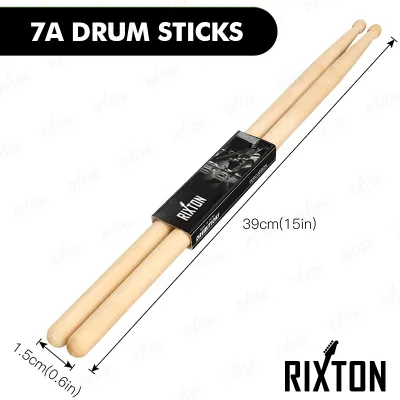
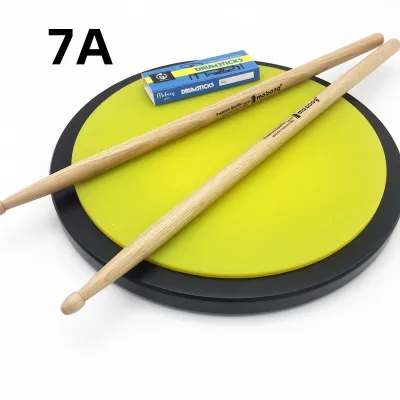
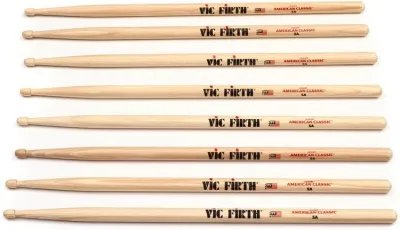
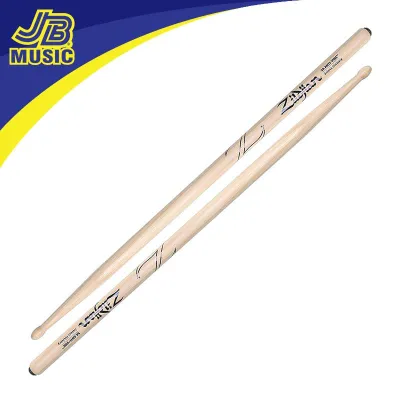
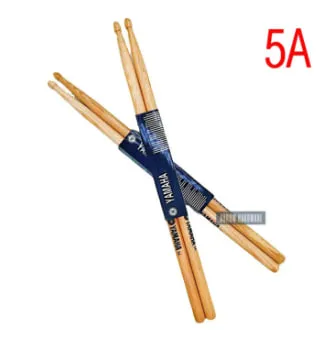
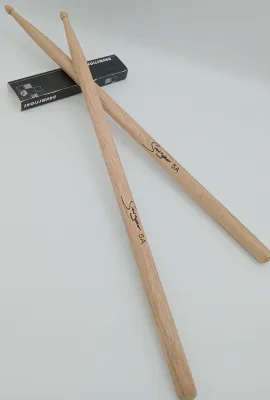
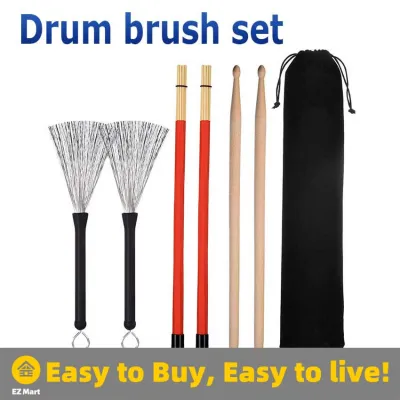
Prices are valid at publication and may change. Please refer to the product page for the latest price.
Hickory is the most widely recommended wood for beginner drum sticks due to its exceptional combination of strength, weight, and natural elasticity. This fibrous hardwood absorbs the shock of heavy impacts remarkably well, protecting your joints when practicing on hard surfaces like practice pads or acoustic drum rims. Hickory sticks wear down gradually by fraying rather than snapping suddenly, giving you ample warning when a pair is nearing the end of its usable lifespan.
Maple offers a lighter, less dense alternative that is highly suitable for younger players, individuals with smaller hands, or those focusing on low-volume acoustic styles like jazz. Because maple is roughly ten percent lighter than hickory of the same dimensions, it allows for fast, agile movements with minimal physical exertion. However, the trade-off for this agility is reduced durability; maple sticks are more prone to shearing or splitting when subjected to heavy rimshots or aggressive cymbal strikes.
Oak stands at the opposite end of the spectrum as a dense, heavy, and exceptionally durable wood option. Oak drum sticks resist denting and chipping far better than hickory or maple, making them a popular choice for heavy rock drumming. The primary drawback for beginners is that oak’s extreme rigidity transfers a significant amount of impact vibration directly into your fingers, wrists, and forearms, which can accelerate physical fatigue during long practice sessions.
When evaluating any wood type, you must visually inspect the grain alignment along the shaft of the stick. High-quality wooden sticks feature straight, tight grain lines that run perfectly parallel from the butt end all the way to the tip. Avoid sticks with diagonal grain lines that run off the side of the shaft—a defect known as grain run-out—as these diagonal lines represent structural weak points where the stick is highly likely to split under moderate impact.
Decoding Drum Stick Sizes and Tapers
Drum stick manufacturers use a standardized numbering and lettering system to classify stick dimensions, where the number indicates the diameter and the letter historically designated the intended musical application. Understanding this system allows you to bypass marketing jargon and select a size that matches your physical hand size and musical goals.

The 5A specification is the universal starting point for the vast majority of beginner drummers worldwide. Featuring a medium diameter of approximately 0.565 inches and a standard length of 16 inches, the 5A stick provides a neutral, balanced feel that is neither too thick for detailed hand movements nor too thin to produce a robust tone. Starting with a 5A allows you to develop a versatile grip technique that easily translates to other stick sizes as your musical preferences evolve.
If you find the 5A size uncomfortable, you can compare it against the lighter 7A and the heavier 5B specifications. The 7A stick is thinner and shorter, making it exceptionally comfortable for children, players with smaller hands, or those practicing quiet, articulate patterns. Conversely, the 5B stick is thicker and heavier, providing the necessary mass to produce high volume in rock settings while helping to build forearm strength during dedicated practice pad workouts.
The shape of the wooden tip also plays a significant role in determining the tone produced on cymbals and drum heads. Acorn tips feature a large surface area that produces a dark, rich, and full-bodied sound, making them highly forgiving for beginners learning to control their striking angles. Barrel tips offer a flat, broad contact area that delivers punchy, loud, and highly consistent projection, while oval tips provide a balanced, versatile tone that changes subtly depending on the angle at which the stick strikes the surface.
Finally, pay close attention to the shoulder taper, which is the sloping section of the stick leading to the tip. A long taper creates a highly flexible stick with a fast, effortless rebound and a lighter feel at the tip, though it is more fragile near the striking zone. A short taper results in a stiffer, forward-weighted stick that delivers maximum power and durability but requires more physical effort to control the rebound, making a medium taper the most sensible and balanced choice for beginners.
Evaluating Build Quality and Pair Matching
Even when buying from reputable brands, wood remains an organic, variable material that can warp or vary in density during manufacturing, shipping, and storage. Learning how to physically inspect and test a pair of drum sticks before purchasing ensures you do not end up with defective tools that hinder your practice.
The rolling test is the simplest and most effective way to check for warping or bowing in a wooden stick. Place the stick on a perfectly flat, level surface—such as a glass display counter or a smooth table—and roll it gently with the palm of your hand. Watch the tip and the shaft closely as it spins; if the stick wobbles, hops, or shows a visible, shifting gap between the wood and the flat surface, the stick is warped and should be rejected immediately.
Pitch tapping is another crucial test used to ensure that the two sticks in a pair are density-matched. Hold each stick lightly at its natural pivot point between your thumb and index finger, then tap them gently against each other near your ear, or tap them individually on a hard, resonant surface. Both sticks should produce a nearly identical acoustic pitch; a noticeable difference in pitch indicates that one stick is denser and heavier than the other, which will cause an uneven, distracting rebound feel when playing.
You must also carefully inspect the physical finish of the wood for any manufacturing defects or rough spots. Run your fingers along the entire length of the shaft to check for splinters, grain tear-outs, or uneven lacquer coatings that could easily cause painful friction blisters during extended practice sessions. While some players prefer a light lacquer finish for grip, others prefer completely natural, unfinished wood; ensure the coating is uniform and comfortable for your skin type.
Understanding manufacturer grading systems can help you make cost-effective purchasing decisions. Many brands offer budget-friendly “seconds” or unbranded bulk packs, which are sticks that failed to meet strict weight-matching or cosmetic standards during factory quality control. While these budget options are highly economical for daily practice, they have a much higher rate of warping and grain defects, requiring you to inspect each stick in the bundle with extra care.
Buying Drum Sticks in the Philippines: Channels and Checks
Sourcing authentic, high-quality wooden drum sticks in the Philippines requires navigating a mix of physical music retail stores and online marketplaces. Each purchasing channel presents distinct advantages and risks that you must manage to ensure you receive a durable, genuine product.
Visiting a physical musical instrument store remains the gold standard for buying drum sticks because it allows you to perform physical rolling and pitch-tapping tests before spending your money. Major local music distributors and specialized drum shops located in major metropolitan areas carry authorized inventory from global manufacturing brands. When shopping in person, do not hesitate to ask the store staff for permission to unpackage and test multiple pairs of the same model to find the most perfectly matched set.
If you choose to purchase through online marketplaces or e-commerce platforms, you must prioritize authorized online mall flagship stores or highly rated local music retailers to avoid counterfeit products. The tropical climate of the Philippines introduces a unique risk: high relative humidity can cause wooden sticks stored in non-air-conditioned warehouses to absorb moisture, leading to warping and structural softening. Buying from reputable sellers with high inventory turnover rates minimizes the risk of receiving moisture-damaged stock.
Before finalizing an online purchase, carefully review the seller’s return and exchange policies regarding warped or structurally defective items. Because you cannot physically inspect online inventory prior to delivery, ensure the merchant offers a straightforward return process if the sticks arrive with visible bowing, grain run-out, or significant weight discrepancies. Taking a continuous video while unboxing and performing the rolling test on a flat surface provides clear evidence should you need to request a replacement.
In terms of budgeting, entry-level wooden drum sticks in the Philippines generally range from ₱150 to ₱400 per pair, while professional-grade, precision-matched pairs typically cost between ₱600 and ₱1,200. For beginners, purchasing multi-packs or bundle deals of three to five pairs often provides a much lower cost per pair. This approach ensures you always have an identical, dry backup pair ready when your primary sticks inevitably wear down or succumb to the local humidity.
Frequently Asked Questions (FAQ)
How often should a beginner replace wooden drum sticks?
A beginner should replace wooden drum sticks as soon as they show signs of structural compromise, such as deep dents along the shoulder, severe chipping of the wooden tip, or visible cracks running along the grain of the shaft. Playing with heavily frayed or splintered sticks is highly discouraged because the rough edges can easily puncture expensive synthetic drum heads or scratch and dent cymbals. On a standard rubber or mesh practice pad, a single pair of high-quality hickory sticks can easily last several months of daily use. However, when transitioning to an acoustic drum kit, a beginner practicing consistently can expect a pair to last anywhere from two to six weeks, depending on their striking force, rimshot frequency, and physical technique.
Should beginners use stick tape or grip enhancers?
Whether to use grip enhancers depends largely on your local playing environment and how much your hands sweat. In the high ambient humidity of the Philippines, bare wooden sticks can easily become slippery during intense practice sessions, leading to dropped sticks or over-gripping to maintain control. Grip tape wrapped around the handle provides excellent friction and moisture absorption, though it increases the overall thickness of the stick and alters its natural weight balance. Alternatively, non-slip wax, liquid chalk, or specialized grip sprays offer reliable slip resistance without changing the stick’s physical profile. Beginners should generally focus on developing a relaxed, proper grip technique on bare wood first, using grip enhancers primarily as a tool to combat extreme humidity rather than a permanent crutch for poor hand mechanics.
Can beginners use the same sticks for acoustic and electronic drums?
Standard wooden drum sticks are perfectly safe and highly effective for use on both acoustic drum kits and electronic drum pads featuring rubber or mesh surfaces. However, you must never use a pair of wooden sticks that have already been used on an acoustic kit and have begun to splinter or chip. Splintered wood tips and rough shoulders can easily snag, tear, or puncture sensitive electronic mesh heads, leading to costly repairs, and can permanently scuff rubber cymbal pads. If you plan to use wooden sticks on an electronic kit, dedicate a brand-new, perfectly smooth pair exclusively for that instrument, or consider using nylon-tipped sticks, which do not chip or splinter and are highly recommended for preserving the lifespan of electronic drum triggers.

Community discussion
Share your experience or ask a question. Comments are reviewed before publication.