
Selecting the right organ keyboard for a child starting their musical journey involves balancing immediate playability with long-term skill development. The ideal instrument must match the child’s physical size while providing the technical foundation needed to transition to more advanced instruments later. Key features to prioritize include an appropriate key count, manageable key sizes, touch-sensitive keys, and robust build quality that can withstand daily use in a busy household. By focusing on these essential elements, parents can foster a positive learning experience without overwhelming a young beginner.
Key Count and Size: Matching the Instrument to the Child
Keyboards come in several standard configurations, typically offering 49, 61, 76, or 88 keys. For very young children or absolute beginners, a 49-key or 61-key instrument is often the most practical starting point. A 61-key keyboard provides a wide enough range to play most beginner and intermediate pieces, making it a highly versatile choice that fits easily on a study desk or a small stand in a typical bedroom. Full-sized 88-key models are excellent for serious piano students but can be physically intimidating and space-consuming for a young child.
The physical size of the keys themselves is another critical factor in finger development. Mini keys are designed for tiny hands and can help toddlers press notes easily, but they can hinder the transition to standard instruments. If a child is five years or older, starting with full-sized keys is generally recommended to help them build correct muscle memory and finger span. When evaluating options, consider the child’s physical reach; their arms should be able to access the outer octaves comfortably without straining their back or shoulders.
Products mentioned in this guide
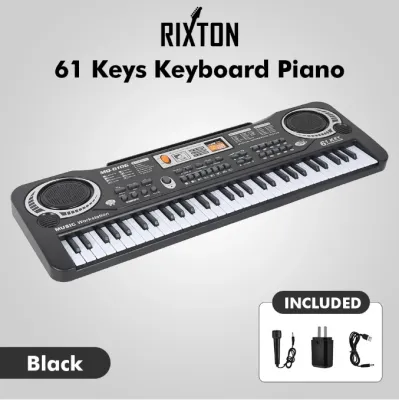
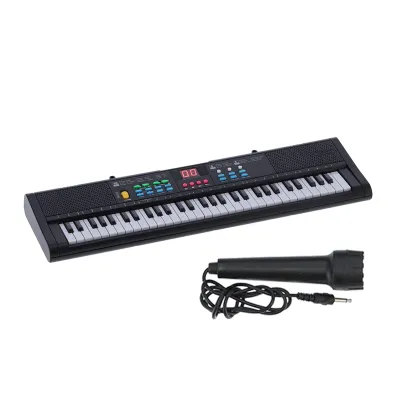
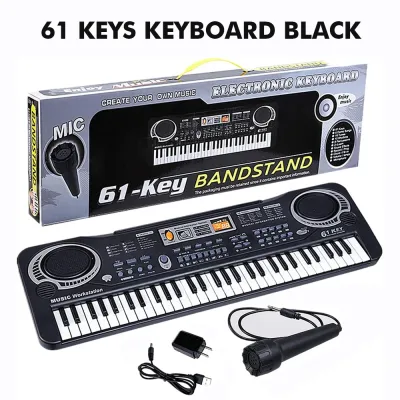
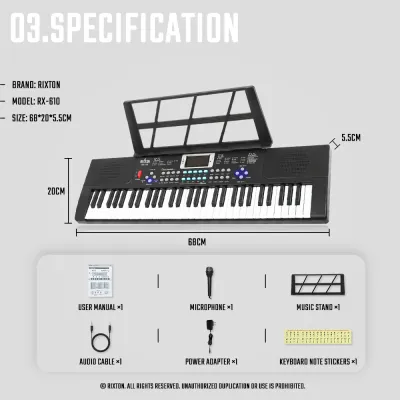
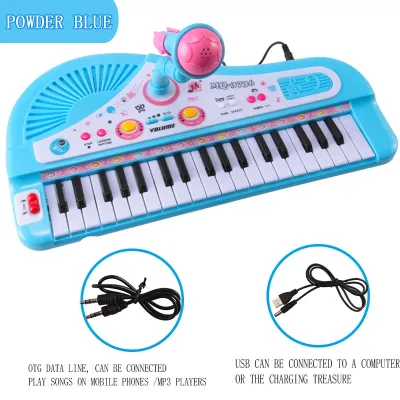
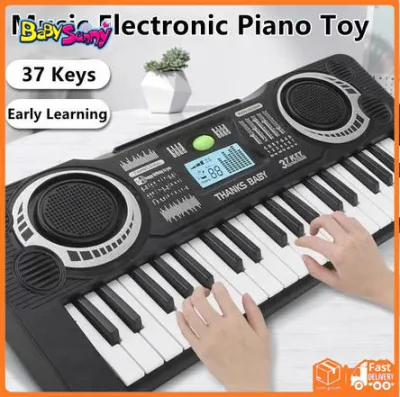
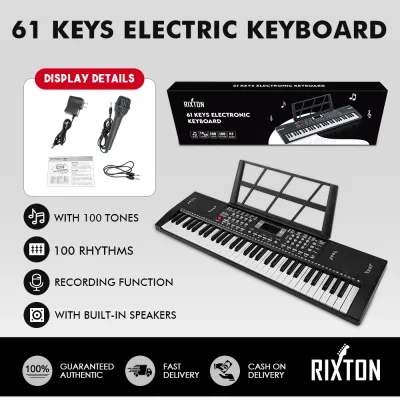
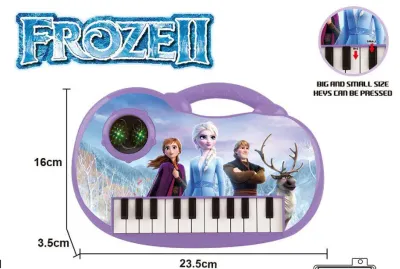
Prices are valid at publication and may change. Please refer to the product page for the latest price.
Touch Sensitivity and Key Action: Building Proper Technique
Touch sensitivity, also known as velocity response, is a crucial feature for developing musical expression. A touch-sensitive keyboard produces a louder sound when a key is struck firmly and a softer sound when pressed gently. Without this feature, a keyboard plays at a constant volume regardless of how the child plays, which can lead to flat, unexpressive habits. Introducing touch sensitivity early helps children understand dynamic control, which is fundamental to classical, pop, and traditional music alike.

Key action refers to the mechanical resistance felt when pressing a key. Synth-action keys are light and springy, making them easy for small fingers to press, but they offer little resistance. Semi-weighted keys provide a middle ground, offering a slight resistance that mimics an acoustic piano without requiring significant finger strength. Fully weighted keys replicate the heavy feel of a traditional piano hammer mechanism. For young beginners, synth-action or semi-weighted keys are usually sufficient to start, while an upgrade to weighted keys becomes necessary once the child begins formal classical lessons or shows a clear need for advanced finger strength training.
Built-in Lessons and Connectivity: Supporting Daily Practice
Modern electronic keyboards offer a variety of digital tools designed to keep children engaged during practice sessions. Built-in metronomes are indispensable for teaching rhythm and timing, helping students maintain a steady tempo. Recording functions allow children to listen to their own performances, which is an excellent self-evaluation tool. Many beginner keyboards also feature follow-along lesson modes, where keys light up or the screen displays notation to guide the player through simple melodies.
To expand learning opportunities, look for keyboards with robust connectivity options. A USB-to-Host port or MIDI capability allows the keyboard to connect to a tablet, computer, or smartphone. This connection enables the use of interactive educational apps that gamify practice, making learning scales and sight-reading more appealing to young minds. Some modern models also offer wireless Bluetooth connectivity for audio or MIDI data. Before purchasing, always verify the specific cable requirements and device compatibility of the keyboard to ensure it works seamlessly with your existing home devices.
Durability, Portability, and Power Options: Fitting Your Home Setup
A child’s keyboard must be durable enough to survive the realities of a family home. Look for models constructed from sturdy, impact-resistant plastics that can handle accidental bumps. In tropical climates like the Philippines, high humidity can affect electronic components and key mechanisms over time. Choosing a keyboard with a well-sealed casing helps protect the internal circuitry from moisture and dust. Additionally, storing the instrument away from direct sunlight and open windows prevents heat damage and keeps the keys functioning smoothly.
Portability and power options dictate where and how the keyboard can be used. Many beginner keyboards offer dual power options, running on either an AC adapter plugged into a wall outlet or standard AA/AAA batteries. Battery power is highly convenient for moving the instrument around the house, taking it to outdoor family gatherings, or practicing during power interruptions. However, relying solely on batteries can become expensive over time, so having a reliable AC adapter for daily stationary practice is highly recommended. Ensure the power cord is kept tidy and out of high-traffic walkways to prevent tripping.
Frequently Asked Questions (FAQ)
Is a 61-key keyboard enough for a beginner child?
Yes, a 61-key keyboard is generally sufficient for the first few years of a child’s musical education. It covers five octaves, which is more than enough for basic exercises, scales, and early-grade repertoire. As the child progresses to advanced classical pieces or complex arrangements that require a wider range of bass and treble notes, upgrading to a full 88-key instrument will eventually become necessary.
Do kids need a sustain pedal when starting out?
Absolute beginners do not need a sustain pedal immediately. In the early stages of learning, the focus should remain entirely on proper finger placement, hand posture, and basic rhythm. Introducing a foot pedal too early can distract a young child and lead to muddy playing habits. A sustain pedal can be added as an optional accessory later, typically after the first year of consistent practice when their repertoire begins to require sustained notes.

Community discussion
Share your experience or ask a question. Comments are reviewed before publication.