
Protecting a piano keyboard or digital piano in the Philippines requires a cover that addresses two distinct environmental challenges: persistent tropical humidity and fine ambient dust. The ideal keyboard cover is not a one-size-fits-all solution; instead, it is a carefully selected physical barrier that matches your specific instrument type, room ventilation, and local climate conditions. While dust can settle into delicate key contacts and cause mechanical sticking, high relative humidity can warp wooden keys or corrode internal electronic circuits. To safeguard your investment, you must evaluate covers based on material composition, fit security, and moisture-management properties.
In the local climate, where rainy seasons bring prolonged periods of high humidity and dry seasons introduce airborne dust from open windows, a simple cloth or an ill-fitting plastic sheet is rarely sufficient. A proper cover must seal out dust while preventing moisture from becoming trapped underneath, which can create a microclimate conducive to mold growth and electronic failure. By understanding how different materials interact with the air in your home, you can make an informed decision that preserves both the playability and the resale value of your instrument.
Why Tropical Climates Demand Specialized Keyboard Covers
The climate in the Philippines presents a unique set of challenges for musical instruments, particularly those with complex mechanical actions or sensitive electronic components. High relative humidity, which often exceeds eighty percent during the wet season, introduces moisture into the air that can easily penetrate the unsealed housing of a keyboard. When this moisture settles on internal metal parts, it accelerates oxidation and corrosion, leading to unresponsive keys, faulty sensors, and degraded circuit boards. For digital pianos, this can result in costly repairs or permanent electronic failure.
Products mentioned in this guide
![[Fast Delivery] 61 Keys Electronic Piano Keyboard Dust Cover Waterproof Black With Elastic Cord Locking Clasp](https://img.lazcdn.com/g/p/a22f0eac4ebdff824eb25601e04060a9.jpg_400x400q80.jpg_.webp)
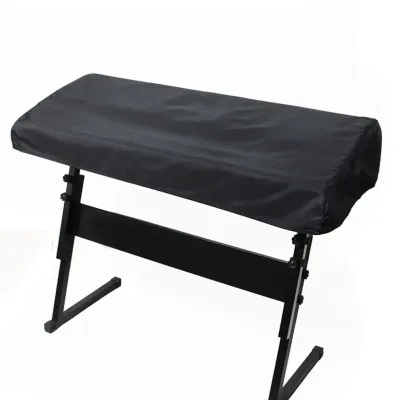
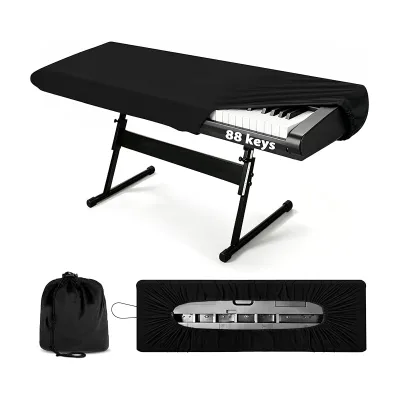
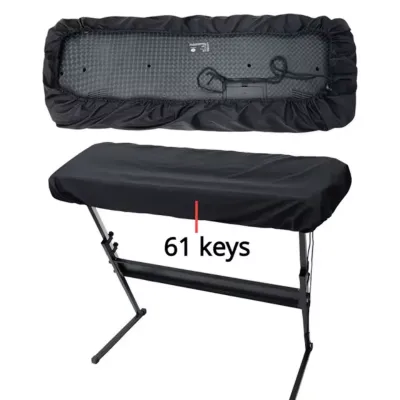
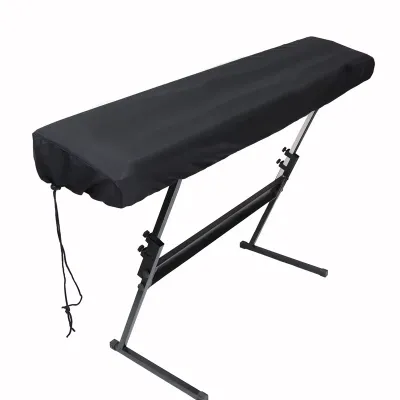
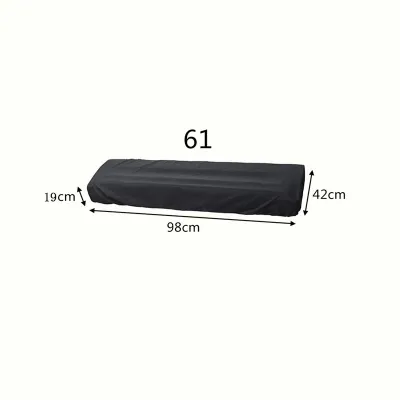
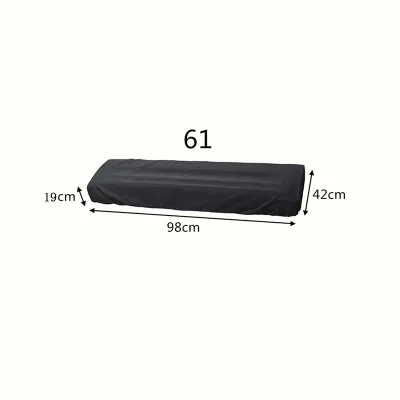
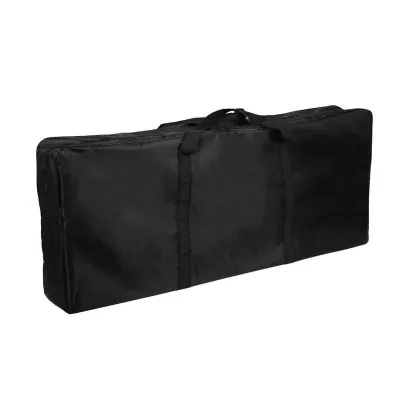
Prices are valid at publication and may change. Please refer to the product page for the latest price.
Acoustic pianos and digital models with wooden key actions are equally vulnerable to moisture-induced damage. Wood is a hygroscopic material, meaning it naturally absorbs and releases moisture from the surrounding air. In high humidity, wooden keys and action parts swell, causing them to rub against each other and stick. This sluggish key return ruins the playing experience and can warp the structural alignment of the keybed over time. A specialized cover helps buffer these rapid changes in humidity, slowing down the rate at which the instrument absorbs moisture from the room.
Dust accumulation poses another significant threat, especially when combined with high humidity. Fine dust particles settle into the gaps between keys, eventually finding their way onto the optical sensors or rubber contact pads beneath the keybed. When dust mixes with moisture, it forms a sticky residue that is difficult to clean and can cause keys to trigger at maximum velocity or fail to sound entirely. On acoustic keyboards, dust acts as an abrasive, wearing down the felt bushings and key pins with every keystroke.
Key Material Options for Dust and Moisture Protection
When shopping for a keyboard cover on an online marketplace or at a local music store, the material of the cover is the most critical decision point. Different fabrics offer varying levels of protection against dust and moisture, and each comes with specific trade-offs that you must weigh against your home environment. Understanding these material properties allows you to select a cover that addresses your primary environmental concerns without introducing new risks to your instrument.

Velvet and flannel are traditional choices that offer excellent dust protection and a premium aesthetic. These soft, dense fabrics are highly effective at trapping fine dust particles before they can reach the keys, and their gentle texture prevents scratches on polished wood or glossy plastic finishes. Additionally, velvet and flannel are highly breathable, allowing any heat generated by the keyboard’s internal components to dissipate naturally. However, these materials offer very limited moisture resistance; they can absorb ambient humidity and, if left damp, may actually hold moisture against the keys, increasing the risk of mold.
Nylon and polyester blends, often treated with water-resistant or waterproof coatings, provide a robust barrier against liquid spills and high humidity. These synthetic materials are highly durable, easy to clean, and exceptionally effective at preventing external moisture from penetrating the cover. They are ideal for homes in coastal areas or rooms without air conditioning where humidity levels remain consistently high. The primary risk with fully waterproof synthetic covers is trapped condensation; if you apply a non-breathable cover to a keyboard that is still warm from a long practice session, moisture can condense on the underside of the cover, dripping directly onto the electronics.
Spandex and stretch fabrics are popular for their versatility and snug, form-fitting design. These covers stretch easily over various keyboard sizes, creating a tight seal that prevents dust from entering through the sides or bottom. They are lightweight, highly portable, and generally affordable, making them a convenient option for gigging musicians. However, standard spandex offers virtually no water resistance, and its porous weave may allow very fine dust to pass through over time. If you choose a stretch cover, look for blends that incorporate a tighter weave or a water-repellent treatment to enhance its protective qualities.
Essential Features to Check Before Buying
To ensure your selected keyboard cover performs effectively in a tropical environment, you must look beyond the basic material and evaluate specific design features. A high-quality cover should be easy to secure, resistant to environmental wear, and gentle on your instrument’s surfaces. When browsing product listings or examining covers in person, keep a practical checklist of these essential features to make a reliable purchase.
First, examine the securing mechanism of the cover. Elastic edges, adjustable drawstrings, or integrated straps are crucial for ensuring a snug fit around the entire perimeter of the keyboard. In the Philippines, where ceiling fans and open windows are common, a loose cover can easily be displaced by drafts, exposing the keys to dust. A secure drawstring or elastic hem allows you to tighten the cover around the underside of the keybed, creating a complete seal that blocks dust ingress from all angles, including the vulnerable bottom edges.
Second, pay close attention to the manufacturer’s specifications regarding water resistance. There is a significant difference between water-resistant and fully waterproof materials, and the right choice depends on your specific needs. Water-resistant covers are typically breathable and can repels light splashes or high humidity without trapping condensation. Fully waterproof covers offer maximum protection against heavy leaks or spills but require careful management to avoid trapping heat and moisture. Look for clear labels that specify the level of protection and choose a cover that balances moisture defense with adequate breathability.
Finally, inspect the inner lining of the cover. The material that comes into direct contact with your keyboard should be soft and non-abrasive to prevent micro-scratches on glossy finishes, acrylic keys, or delicate control panels. Soft flannel, brushed microfiber, or velvet linings are ideal for this purpose. Avoid covers with rough synthetic backings or exposed seams that can rub against the keys during installation and removal. A gentle inner lining ensures that your keyboard’s aesthetic appeal is preserved alongside its mechanical and electronic functionality.
How to Measure Your Keyboard for a Proper Fit
A keyboard cover can only provide optimal protection if it fits your instrument correctly. An oversized cover will sag, leaving gaps where dust and moisture can enter, while an undersized cover will stretch excessively, potentially damaging the seams or failing to cover the entire keybed. To find the perfect fit, you must take accurate measurements of your instrument before making a purchase.
Begin by measuring the exact length, depth, and height of your keyboard. Use a reliable measuring tape and measure from the outermost edges of the instrument’s chassis, not just the keys themselves. The length should be measured from the far left to the far right of the keyboard body. The depth is the distance from the front of the keys to the back of the instrument, and the height is the vertical thickness of the keyboard chassis. If your keyboard has a built-in music stand that cannot be removed, or a raised control panel, be sure to include these protrusions in your height and depth measurements.
Next, cross-reference your measurements with the manufacturer’s stated cover dimensions rather than relying solely on key count. While covers are often marketed for 61-key, 76-key, or 88-key instruments, physical dimensions can vary significantly between brands and models. A slim 88-key stage piano will require a much smaller cover than a bulky 88-key digital console with built-in speakers. Always compare your measured length, depth, and height against the maximum dimensions supported by the cover to ensure a secure, unforced fit.
Additionally, account for any protruding elements or connected accessories that you plan to leave in place while the keyboard is covered. This includes pitch bend wheels, modulation levers, external control knobs, screens, or connected cables. If your keyboard has a music stand that you prefer to leave attached, look for specialized covers that feature a zippered opening or a dedicated slot to accommodate the stand while keeping the rest of the instrument fully sealed. Taking these details into account prevents unnecessary strain on both the cover and the instrument’s delicate controls.
Maintenance and Care for Your Keyboard Cover
To ensure your keyboard cover continues to provide effective protection, you must maintain and clean the cover itself regularly. Over time, a cover will accumulate dust, pet hair, and moisture from the surrounding air. If left uncleaned, the cover can become a source of contamination, transferring dust back onto the keys or harboring mold spores that thrive in the warm, humid climate of the Philippines.
Always check the manufacturer’s care label for specific washing instructions and temperature limits before cleaning your cover. Many synthetic covers with water-resistant coatings require gentle hand washing in cold water with a mild detergent to preserve their protective barriers. Avoid using harsh chemicals, bleach, or fabric softeners, as these can degrade the waterproof treatments and weaken the elastic fibers. For velvet or flannel covers, gentle hand washing or dry cleaning may be recommended to maintain the soft texture of the fabric.
After washing, it is absolutely critical to ensure the cover is completely air-dried before placing it back on your keyboard. Never store or use a damp cover, as this will trap moisture directly against the keys and electronics, creating an environment ripe for mold growth and corrosion. Hang the cover in a well-ventilated area out of direct sunlight, as intense tropical sun can fade colors and degrade synthetic materials over time. Ensure both the inner lining and the outer shell are thoroughly dry to the touch before installation.
For routine maintenance between washes, regular shaking or gentle vacuuming is highly effective. Take the cover outdoors once a week and shake it vigorously to remove loose surface dust. Alternatively, you can use a vacuum cleaner with a soft brush attachment on a low suction setting to gently clear dust from the fabric’s surface. This simple routine prevents dust from building up and settling into the weave of the fabric, ensuring your cover remains a clean and reliable shield for your instrument.
Frequently Asked Questions (FAQ)
Can I use a regular cloth instead of a fitted keyboard cover?
While using a regular household cloth, such as a bedsheet or a large towel, is a common temporary solution, it does not offer the same level of protection as a purpose-built, fitted keyboard cover. Regular cloths lack the elastic edges, drawstrings, or tailored shapes required to create a secure seal around the instrument. As a result, they can easily slip off due to drafts from fans or air conditioners, leaving your keyboard exposed to dust and ambient moisture.
Furthermore, standard household fabrics often have a loose weave that allows fine dust particles to sift through and settle on the keys over time. They also lack the specialized water-resistant coatings found in dedicated keyboard covers, meaning they cannot block high humidity or accidental spills effectively. Investing in a fitted cover ensures complete, reliable coverage and superior material performance tailored to the needs of musical instruments.
Should I leave the cover on while playing?
No, you should always remove the cover entirely before playing your keyboard. Keyboard covers are designed strictly for protection during storage and periods of non-use. Leaving a cover on while playing can interfere with the mechanical action of the keys, muffle the sound from built-in speakers, and prevent you from accessing essential control panels, buttons, or screens.
Additionally, digital pianos and electronic keyboards generate heat during operation. Leaving a cover draped over the instrument while it is powered on can trap this heat, leading to overheating and potential damage to the internal circuitry. Removing the cover completely allows for proper ventilation and heat dissipation, ensuring your instrument operates safely and sounds its best during your practice sessions.

Community discussion
Share your experience or ask a question. Comments are reviewed before publication.