
Starting a musical journey between the ages of five and eight is an exciting milestone. At this developmental stage, children are rapidly developing fine motor skills, cognitive focus, and spatial awareness. While an acoustic piano is often seen as the traditional standard, its size, maintenance needs, and cost make a digital keyboard a highly practical alternative for modern households.
However, walking into a music store or browsing online can be overwhelming. The ideal keyboard for a young beginner is not simply the most expensive model or the one with the most buttons. Instead, it is an instrument that matches their physical hand size, offers responsive keys to build finger strength, and includes engaging features that encourage regular practice without causing frustration. By focusing on key physical and technical specifications, you can find an instrument that supports your child’s growth and fits your home environment.
Key Factors to Consider for Small Hands and Beginners
When selecting a keyboard for a child aged five to eight, physical playability is the most critical factor. Toy keyboards often feature mini-keys, which are narrow and short. While these may seem appropriate for very small hands, they can actually hinder a child’s musical development. Using mini-keys for too long can prevent the development of correct muscle memory. When the child eventually transitions to a standard piano, they may struggle with the wider spacing, leading to missed notes and hand fatigue. Choosing a keyboard with standard, full-sized keys helps establish correct spatial awareness from the very first lesson.
Products mentioned in this guide
![99.9 BUY MORE SAVE MORE Toys (32-Keys Electronic Keyboard Piano Set with Microphone) for Kids with Battery Included [TX6632A-D/Q-199/SD-333]](https://img.lazcdn.com/g/p/d47224e7251b13fc10c144760c1bfff3.jpg_400x400q80.jpg_.webp)
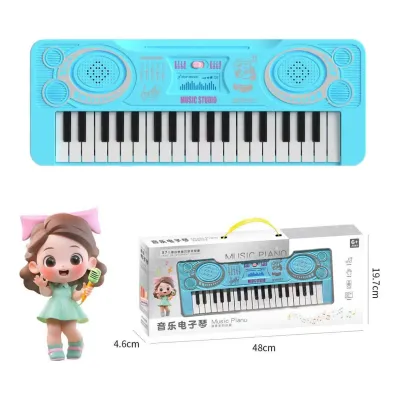
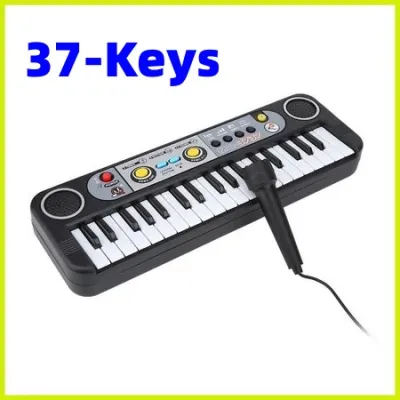
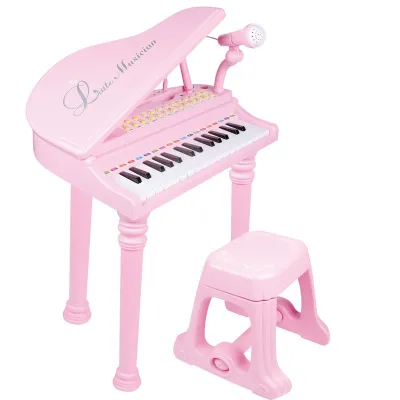
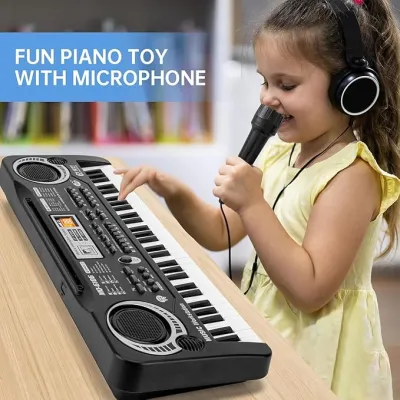
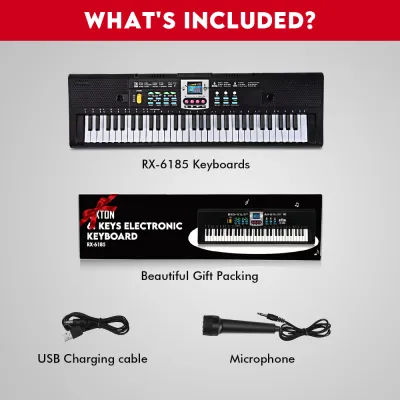
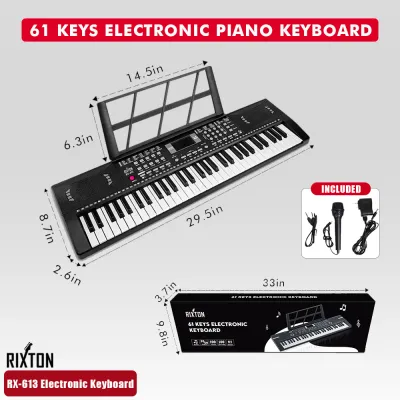
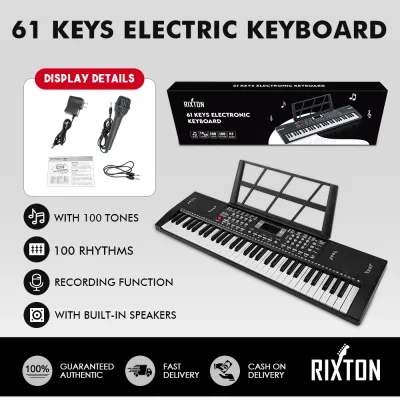
Prices are valid at publication and may change. Please refer to the product page for the latest price.
The number of keys on the instrument also dictates how long it will remain useful. Keyboards typically come with 32, 49, 61, 76, or 88 keys. A 32-key or 49-key model is highly portable and fits easily on a small study desk, but it limits the child to simple, single-hand melodies. Within a year of structured lessons, they will likely outgrow it as they begin playing two-handed pieces. A 61-key layout provides five full octaves, which is more than enough for several years of primary music education. This size offers the ideal balance, remaining compact enough for typical bedrooms while providing enough range for early classical and contemporary pieces.
Another essential technical feature is touch sensitivity, also known as velocity sensitivity. Standard synth-action keys produce the same volume regardless of how hard or soft they are pressed. In contrast, touch-sensitive keys respond to the force of the finger strike. If a child presses gently, the sound is quiet; if they strike firmly, the sound is loud. This dynamic response is vital for learning musical expression and developing the finger strength required for traditional piano playing. Without touch sensitivity, a child may develop a flat, heavy-handed playing style that is difficult to correct later.
Engaging Features That Keep Young Learners Motivated
Keeping an early elementary student engaged requires a balance of structured learning and playful exploration. Many beginner keyboards feature built-in lesson systems or light-up keys that guide the player by illuminating the next note. While these visual aids can make early practice feel like an interactive game, parents should ensure these features can be turned off. Over-reliance on light-up keys can prevent children from learning to read sheet music or developing their auditory memory. When used selectively, however, they can provide a helpful confidence boost for self-directed practice.

A diverse selection of instrument voices and backing rhythms can also make practice sessions more enjoyable. Instead of practicing scales with a standard, repetitive metronome, a child can play along with a gentle drum beat or explore how a melody sounds when played by a violin, flute, or organ. Simple on-board recording functions are also highly beneficial. Children enjoy hearing their own performances played back, which reinforces their progress and builds confidence. These creative tools encourage ear training and keep the instrument feeling like a source of fun rather than a chore.
However, it is easy to fall into the trap of buying a keyboard with too many complex features. Instruments with hundreds of sound effects, DJ pads, and deep synthesizer editing menus often become distractions. For a five-to-eight-year-old, these features can derail focused practice. Look for an instrument with a clean, straightforward control panel where the primary piano sound is easily accessible with a single button press. This keeps the focus on learning the instrument rather than playing with sound effects.
Practical Setup and Durability for Home Use
A beginner keyboard must be practical for daily family life. A reliable power source is vital for consistent practice. While battery power offers portability for moving the keyboard around the house, relying solely on batteries can become expensive and inconvenient. Ensure the keyboard package includes a compatible AC power adapter for daily home use. An auto-power-off feature is also highly recommended, as young children frequently forget to turn off the instrument when they finish playing, leading to drained batteries or unnecessary power consumption.
Proper posture is essential to prevent physical strain and develop correct playing technique. Placing a keyboard flat on a standard dining table or study desk often forces a child to raise their shoulders and bend their wrists awkwardly. Invest in a sturdy, height-adjustable stand, such as a double-X stand, and an adjustable bench. The setup should allow the child’s elbows to rest at a slightly higher level than the keys, with their feet flat on the floor or on a footstool. In tropical environments like the Philippines, where homes may experience high humidity, ensure the stand is made of rust-resistant coated metal and placed away from direct sunlight or damp walls to protect both the stand and the keyboard’s internal electronics.
Children can be enthusiastic but rough with their belongings, so build quality is an important consideration. The keyboard should have a robust plastic casing that can withstand occasional bumps. Buttons and sliders should feel solid and responsive rather than loose. Additionally, check if the brand has an established presence in the local market, which makes sourcing replacement parts or accessing warranty services much easier if a key or power port becomes damaged.
How to Build Your Shortlist at Music Stores or Online Retailers
When you are ready to shop, creating a systematic checklist will help you compare different models effectively. Start by reviewing the technical specifications of each keyboard on your list. Pay close attention to polyphony, which refers to the number of individual notes the keyboard can produce simultaneously. For a beginner, a minimum of 32-note polyphony is recommended, though 48-note or 64-note polyphony is better to ensure notes do not cut off abruptly when playing chords with a sustain pedal. Check what accessories are included in the box; some packages bundle the keyboard with a music sheet stand, power adapter, and headphones, which offers better value.
Setting a realistic budget is the next step. In the Philippines, high-quality beginner keyboards from reputable manufacturers generally range from ₱4,000 to ₱12,000. While cheaper, unbranded toy keyboards are available for under ₱2,000, they often lack touch sensitivity, have poor sound quality, and use non-standard key sizes, making them unsuitable for formal lessons. Investing in a mid-range instrument from an established brand ensures better durability and a more satisfying learning experience.
Before finalizing your purchase, verify the regional specifications of the product. Ensure the power adapter is compatible with local electrical outlets, which typically operate at 220V/60Hz in the Philippines, and uses the correct plug type. Check the interface language; some grey-market imports may have control panels or manual instructions printed in foreign languages, which can make navigation difficult. Confirm that the retailer provides a valid local warranty rather than an international one that requires shipping the unit overseas for repairs.
If possible, visit a local music showroom to test the instruments in person. Let your child press the keys to see if they can comfortably depress them without straining. Listen to the built-in speakers at different volume levels; the sound should remain clear without buzzing or distortion. If shopping online, look for high-quality video demonstrations that showcase the natural piano tone, and read verified customer reviews focusing on long-term reliability and how well the keyboard holds up to daily use by children.
Frequently Asked Questions (FAQ)
Do young beginners need weighted keys?
Fully weighted keys mimic the heavy feel of an acoustic piano’s hammer action. While excellent for older students, they require significant finger strength that children aged five to eight have not yet developed. Forcing a young child to practice on fully weighted keys can lead to hand fatigue, tension, and frustration. Instead, look for touch-sensitive unweighted or semi-weighted keys. These provide enough resistance to teach dynamic control while remaining light enough for small hands to play comfortably.
Is a 61-key keyboard too big for a 5-year-old?
A 61-key keyboard is physically wider than a 32-key or 49-key model, meaning a five-year-old will not be able to reach the lowest and highest notes simultaneously. However, the individual keys themselves are standard size, which is crucial for developing proper finger spacing and muscle memory. A 61-key model is highly recommended because it provides room for growth. As your child progresses to two-handed playing and simple classical pieces, they will not run out of keys, saving you from having to purchase an upgrade within their first year of learning.

Community discussion
Share your experience or ask a question. Comments are reviewed before publication.