
Deciding between a Casio CTK and a CT-X keyboard comes down to your current playing level, musical goals, and budget. The CTK series is designed primarily for absolute beginners, young learners, and casual players who need a straightforward, budget-friendly instrument to learn the basics of keyboard playing. On the other hand, the CT-X series features Casio’s advanced AiX Sound Source, making it the ideal choice for intermediate players, dedicated hobbyists, and those who require highly realistic acoustic tones, higher polyphony, and deeper editing features. Before making a purchase, it is essential to verify the exact specifications of the specific model numbers available at local music stores in the Philippines, as features can vary significantly within each lineup.
Core Differences in Sound Engine and Tones
The fundamental difference between these two lineups lies in how they generate sound. Most CTK models utilize Casio’s older, standard LSI sound engine, which delivers functional but basic electronic tones. In contrast, the CT-X series is powered by the Acoustic Intelligent eXpression (AiX) Sound Source. This advanced processor is designed to replicate the complex resonance, subtle nuances, and dynamic characteristics of acoustic instruments, such as grand pianos, brass, and string ensembles.
When you play a CT-X keyboard, the AiX engine adjusts the tone dynamically based on how hard or soft you strike the keys. This creates a much more expressive and realistic playing experience compared to the flatter, more synthetic sounds typical of entry-level CTK boards. Additionally, CT-X models generally offer larger and more diverse libraries of built-in tones and rhythms. To ensure you get the sounds you need, always check the total number of built-in tones and rhythms on the specific model’s specification sheet before buying.
Products mentioned in this guide
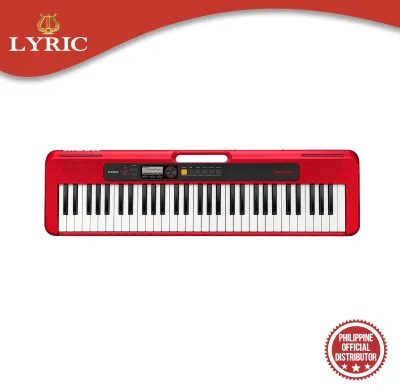
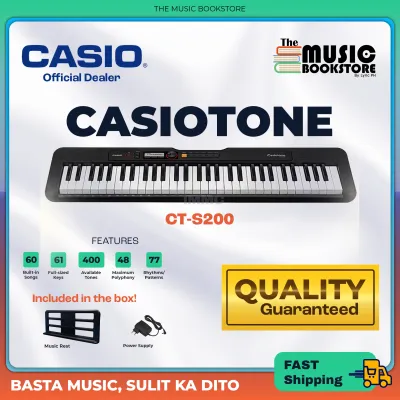
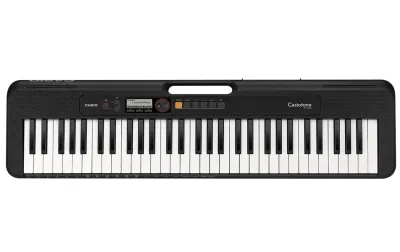
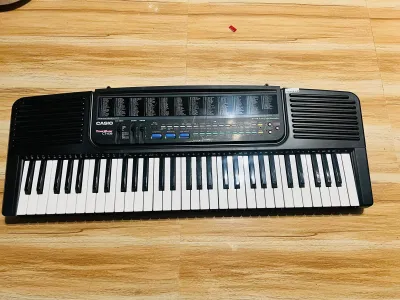
Prices are valid at publication and may change. Please refer to the product page for the latest price.
Key Action and Playing Experience
The physical feel of the keys is another critical factor that shapes your practice sessions and overall progress. While many CTK models feature full-size keys, some entry-level or junior CTK boards use mini keys designed for very small hands. The CT-X lineup consistently features full-size, piano-style keys that help players transition more easily to traditional acoustic pianos.

Touch response, or velocity sensitivity, is vital for developing proper playing dynamics and musical expression. While touch-sensitive keys are standard across the CT-X lineup, they are only available on select mid-to-high-end CTK models. If you plan to take formal piano lessons, choosing a model with touch response is highly recommended. Furthermore, consider the build quality and weight; lightweight CTK boards are exceptionally portable and easy to store, whereas CT-X models are slightly heavier and more robust, offering a more stable feel on a keyboard stand. In the humid tropical climate of the Philippines, storing your keyboard in a dust cover when not in use is a practical way to protect the internal key contacts from moisture and dust.
Features, Connectivity, and Learning Tools
Both series offer built-in tools to help you learn, but they cater to different stages of your musical journey. Many CTK models include basic step-up lesson functions directly on the built-in screen, guiding beginners through simple melodies. The CT-X series elevates this experience by offering advanced learning features and seamless integration with companion apps like Chordana Play, allowing you to learn your favorite songs using interactive visual guides on your tablet or smartphone.
Connectivity is another area where the two series diverge. Most CT-X models come standard with a USB Type-B port for USB-MIDI connectivity, making it easy to connect the keyboard to a computer, tablet, or mobile device for recording or interactive learning. Lower-end CTK models may lack USB connectivity entirely or rely on older connection standards, so you must verify the port options on the rear panel if you plan to use music software. Additionally, check the specific model’s recording, playback, and auxiliary audio input capabilities if you want to track your progress or play along with backing tracks from your phone.
Casio CTK vs CT-X Specification Comparison
To help you evaluate your options before checking local stock or visiting an online marketplace, use this general specification checklist to compare the typical features of each series.
| Feature | Typical CTK Series | Typical CT-X Series | What to Verify on the Box/Manual |
|---|---|---|---|
| Sound Engine | Standard LSI | AiX Sound Source | Check the specific sound processor name. |
| Polyphony | 32 to 48 notes | 48 to 64 notes (or higher) | Verify the maximum polyphony limit for complex pieces. |
| Key Size | Mini or Full-size | Full-size piano-style | Confirm if the keys are mini or standard size. |
| Touch Response | Only on select models | Standard on most models | Look for "Touch Response" or "Velocity Sensitive" on the box. |
| USB-MIDI Port | Limited or absent on entry-level | Standard USB Type-B | Check the rear panel diagram for a USB port. |
Compare current local retail prices in ₱ at authorized music dealers to determine if the advanced features of a CT-X model justify the additional investment for your specific learning goals.
How to Choose: CTK or CT-X?
To make your final decision, evaluate your current playing level, long-term musical goals, and how you plan to use the instrument.
Choose a CTK model if:
- You are buying for a young child or an absolute beginner who is just testing the waters.
- You need a highly portable, lightweight keyboard that can easily run on batteries for casual practice.
- You have a strict budget and prefer a simple, no-frills layout to learn basic melodies.
Choose a CT-X model if:
- You are an intermediate student, a dedicated hobbyist, or a gigging musician.
- You prioritize realistic acoustic instrument sounds, dynamic expression, and full-size, touch-sensitive keys.
- You plan to connect the keyboard to a computer or mobile device for music production, learning apps, or recording.
Verify first if:
- You require specific hardware connections, such as a standard 1/4-inch sustain pedal input, dedicated audio outputs for external speakers, or battery power options, as these features vary by exact model number rather than just the series name.
Frequently Asked Questions (FAQ)
Can I use a CTK or CT-X keyboard as a MIDI controller?
Yes, but compatibility depends heavily on the specific model. Most CT-X keyboards feature a standard USB Type-B port, allowing them to function as plug-and-play USB-MIDI controllers when connected to a computer or mobile device running a digital audio workstation (DAW). Many entry-level CTK models, however, lack USB connectivity entirely or may only feature older 5-pin MIDI ports. Before purchasing, examine the rear panel of the keyboard or check the official specifications sheet to confirm the presence of a USB-MIDI port.
Do these keyboards come with a stand and pedals?
Most standard retail packages for both CTK and CT-X keyboards are sold as standalone units, meaning they do not automatically include a keyboard stand or a sustain pedal. Some local music retailers in the Philippines offer bundled packages that include these accessories, so it is important to verify the exact box contents before completing your purchase. If you plan to buy a third-party sustain pedal, check the keyboard’s manual to ensure it features a standard 1/4-inch jack and supports the correct polarity.

Community discussion
Share your experience or ask a question. Comments are reviewed before publication.