
Starting a collection of Byeon Woo-seok limited edition albums and special merchandise requires a strategic approach to ensure authenticity, value, and personal satisfaction. For new collectors, the journey begins with understanding how to distinguish genuine limited pressings from standard retail editions. By focusing on official drama soundtracks, exclusive fan meeting goods, and high-quality print media, you can build a collection that holds both sentimental and physical value over time.
How to Identify and Evaluate Limited Releases
To build a high-value collection, you must first learn to differentiate between standard, limited, and special pressings. Many collectors make the mistake of relying solely on cover art, which can sometimes be identical across different editions. Instead, always check the official catalog numbers and barcode details printed on the back or spine of the packaging. These unique identifiers are assigned by the publishing label and can be cross-referenced with official discography databases to confirm the exact pressing.
Additionally, pay close attention to the included physical inserts. Limited editions frequently feature exclusive photo cards, folded posters, sticker sheets, or behind-the-scenes booklets that are completely absent from standard releases. Verifying the completeness of these inclusions is vital, as a limited edition album missing its original photo cards loses a significant portion of its collector value.
Products mentioned in this guide

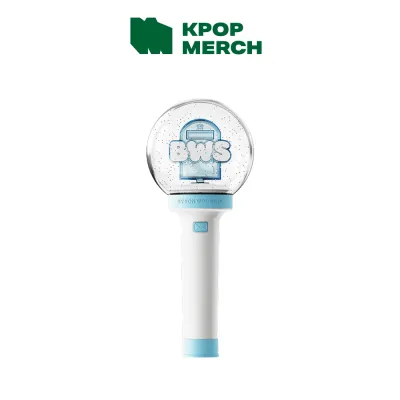
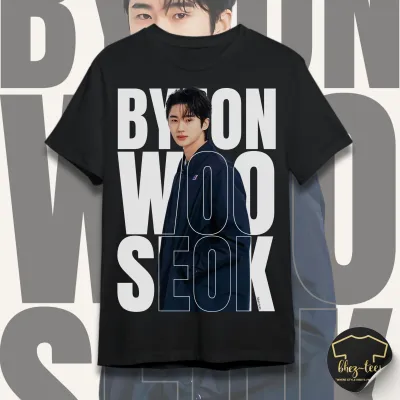
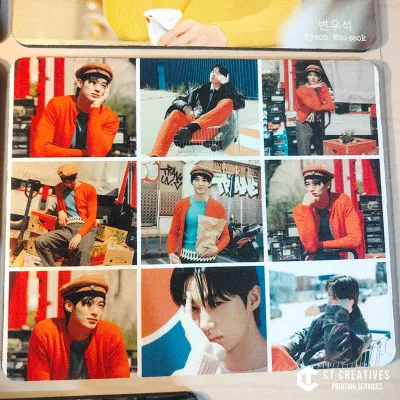
Prices are valid at publication and may change. Please refer to the product page for the latest price.
For collectors in the Philippines, verifying format compatibility is a crucial step before finalizing any purchase. Physical media such as DVDs and Blu-rays are often region-locked, meaning a disc manufactured for the East Asian market may not play on standard local players unless you own a region-free device. Always check the region code (such as Region 3 for Southeast Asia or Region A/All for Blu-rays) and confirm whether English subtitles are officially supported.
Furthermore, digital download cards or streaming access codes included in special packages often have regional restrictions. Some digital platforms require a specific regional account to redeem content, which can limit your ability to access exclusive digital tracks or video messages locally. Checking these specifications beforehand prevents the disappointment of owning unplayable media.
Finally, evaluate the physical condition of the item with extreme care. Damaged spines, torn shrink wrap, or dented corners significantly reduce the market value of special editions. When purchasing from secondary sellers, request detailed, high-resolution photos of all sides of the item to ensure the packaging has not suffered from moisture exposure or rough handling during transit.
Key Categories of Byeon Woo-seok Collectibles
Official collectibles generally fall into several distinct categories, each requiring different storage considerations and collecting strategies. The most prominent category consists of music and drama original soundtracks (OSTs). These physical albums often serve as the cornerstone of a collection, featuring elaborate packaging, extensive photobooks, and exclusive photo cards of the actor in character. Limited pressings of these soundtracks may also include hidden tracks, voice memos, or special instrumental versions not available on digital streaming services.

Another highly sought-after category is official merchandise and event goods, particularly those released in conjunction with fan meetings, tours, or seasonal campaigns. Items such as official light sticks, slogan banners, keyrings, and seasonal greeting packages are produced in strictly limited quantities. Because these items are typically sold only during specific event windows, they carry a high level of exclusivity and are rarely reprinted once the initial stock is exhausted.
Print media, including fashion magazines and dedicated photobooks, represents another excellent avenue for collectors. Byeon Woo-seok has featured on numerous high-profile magazine covers, often with multiple cover variants for a single issue. When collecting print media, it is essential to identify the specific issue number, publication date, and cover version to ensure you are acquiring the exact edition you desire. High-quality photobooks, which offer large-format, high-resolution imagery, are particularly prized for their aesthetic appeal on display shelves.
Lastly, digital and hybrid releases have become increasingly common in modern collecting. These include platform albums or NFC-enabled cards that link to exclusive digital content, behind-the-scenes videos, or digital photo galleries. While these hybrid releases take up very little physical space, they offer a unique way to archive media and access exclusive content on your mobile devices, complementing your physical display items.
Where to Source and Verify Authentic Items
Sourcing rare and limited items requires vigilance to avoid counterfeit products and predatory pricing. Your first line of defense is to prioritize official brand stores, authorized local distributors, and established e-commerce platforms that offer robust buyer protection policies. Purchasing directly from official global fan clubs or licensed entertainment retailers ensures that your money supports the official releases and guarantees the authenticity of the merchandise.
When navigating secondary markets or local online marketplaces, you must learn to identify common red flags. Authentic entertainment merchandise almost always features a reflective, holographic security seal on the back of the packaging. If a listing shows a blurred or missing hologram, incorrect barcode formatting, or print quality that appears fuzzy or washed out, the item is highly likely to be a counterfeit.
Additionally, be wary of suspiciously low prices. If a rare, out-of-print limited edition is listed for a fraction of its typical market value in ₱, it is a strong indicator of a bootleg copy or a potential scam. Understanding the trade-offs of pre-orders versus aftermarket purchases is also essential. Pre-ordering guarantees you a copy at retail price but requires patience regarding international shipping timelines and potential customs fees upon arrival in the Philippines.
Conversely, waiting to buy on the aftermarket often means paying a premium, but it allows you to inspect the actual physical condition of the item through seller-provided photos. To protect your investment, always cross-reference seller listings with official agency announcements or manufacturer specifications. This verification step helps you confirm whether a specific colorway, packaging design, or inclusion set was actually produced officially or if it is an unauthorized fan-made creation.
How to Preserve and Protect Your Collection
The tropical climate of the Philippines presents unique challenges for preserving physical media and paper collectibles. High humidity and ambient heat can cause paper goods, photobooks, and album sleeves to warp, discolor, or develop mold over time. To prevent this, store all paper items in acid-free, archival-grade plastic sleeves and place them in sturdy storage boxes. Including silica gel packets inside your storage containers helps absorb excess moisture and keeps the environment dry.
Physical discs and electronic merchandise also require specialized care. DVDs and Blu-rays should be stored vertically in their original cases, away from direct sunlight, to prevent disc rot—a chemical degradation that renders discs unplayable. For electronic items like official light sticks or interactive merchandise, always remove the batteries before storing them. Leaving batteries inside unused devices can lead to leakage, causing irreversible corrosion to the internal battery contacts and ruining the item.
When deciding how to house your collection, you must weigh the trade-offs between display and preservation. Keeping items sealed in their original shrink wrap offers the highest level of protection against dust and handling wear, preserving their mint-condition value. However, this prevents you from enjoying the physical photobooks and inclusions inside.
An excellent middle ground is to open the items carefully to enjoy the contents, then store the fragile components in protective sleeves while displaying the main albums in UV-protected acrylic cases. These cases shield your collectibles from harmful ultraviolet rays, which can fade cover art and signatures, allowing you to showcase your collection beautifully without sacrificing its long-term physical integrity.
Frequently Asked Questions (FAQ)
Do digital codes included in limited albums expire?
Yes, digital download cards, streaming access codes, and platform album registration codes almost always have a set expiration date. This date is typically printed in small text on the back of the card or within the album’s instruction booklet. When purchasing sealed older albums on the aftermarket, you should assume that any included digital codes have already expired, meaning you will only be able to enjoy the physical components of the package.
Is it better to keep limited edition albums sealed or opened?
This decision depends entirely on your personal collecting goals. Keeping an album sealed in its original shrink wrap preserves its maximum market value and protects it from environmental wear, making it ideal for those focused on long-term preservation. However, opening the album allows you to access and enjoy the exclusive photo cards, photobooks, and physical media inside, which many collectors find far more personally rewarding than keeping a sealed box on a shelf.

Community discussion
Share your experience or ask a question. Comments are reviewed before publication.