
Holding a physical DVD video disc in your hands offers a tangible connection to cinema that digital streaming simply cannot replicate. For passionate film enthusiasts, building a physical library is not just about convenience; it is an act of preservation. In an era where digital licensing agreements are volatile and titles can vanish from streaming platforms overnight, physical media remains the only way to guarantee permanent access to your favorite films. For local cinema, where preservation efforts face unique environmental and financial challenges, collecting physical discs is a powerful way to honor and safeguard a rich storytelling heritage.
Beyond the security of ownership, physical formats offer a superior and more complete viewing experience. DVDs frequently include exclusive bonus materials, such as director commentaries, behind-the-scenes documentaries, deleted scenes, and commemorative booklets that are rarely migrated to digital streaming services. These supplemental materials provide invaluable context, transforming a simple viewing session into an immersive masterclass in filmmaking. By curating a dedicated physical collection, you ensure that these artistic milestones remain accessible, complete, and preserved exactly as their creators intended.
Why Collect Filipino Movies on Physical Media
Relying solely on digital streaming platforms leaves your access to cinema at the mercy of corporate licensing decisions and regional geo-blocking. A film that is available online today can easily disappear tomorrow due to expired distribution rights, platform restructuring, or regional restrictions. For local films, which often have shorter digital lifespans on international platforms, owning a physical copy is the only foolproof method to ensure your favorite movies remain permanently accessible in your home library.
Products mentioned in this guide
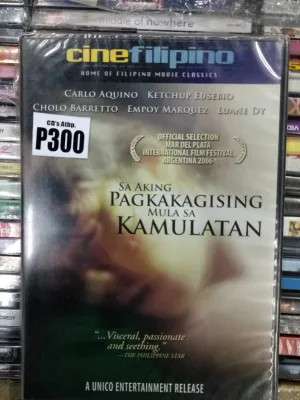
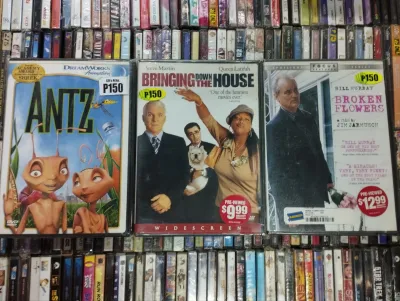
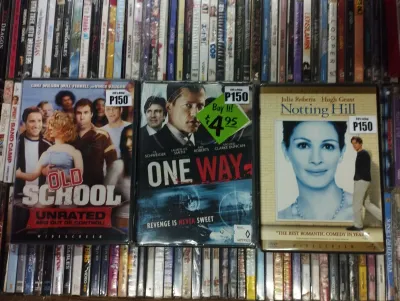

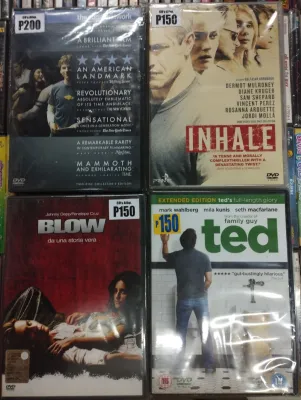
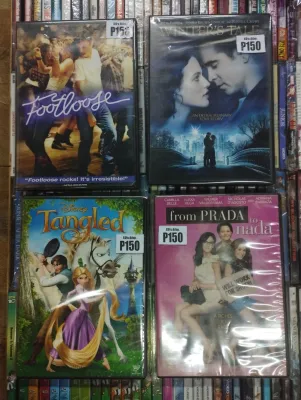
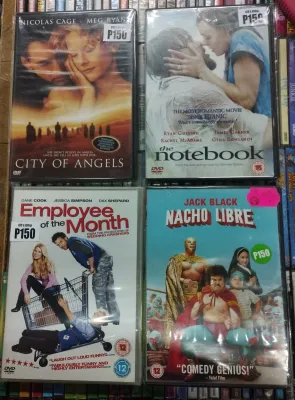
Prices are valid at publication and may change. Please refer to the product page for the latest price.
Furthermore, physical media serves as a vital archive for rare, independent, or out-of-print titles that may never find a home on mainstream streaming services. Many classic films and early independent masterpieces exist only on physical formats, making the collector’s shelf a crucial sanctuary for preserving local cultural history. Without physical collectors keeping these discs in circulation, a significant portion of the country’s cinematic legacy risks fading into obscurity.
Finally, the inclusion of physical extras greatly enriches the overall appreciation of the craft. The production notes, essay booklets, and audio commentaries found on well-produced physical releases offer deep insights into the creative choices, struggles, and triumphs of local filmmakers. These features turn a standard movie night into an educational experience, offering a deeper understanding of the social and historical contexts that shaped each production.
Key Eras and Genres to Anchor Your Collection
To build a truly meaningful and comprehensive library, it is helpful to organize your collection around the major movements and genres that have defined local cinema. Rather than attempting to buy every available title, aiming for a balanced representation of different eras allows you to appreciate how storytelling techniques, themes, and technologies have evolved over the decades. A well-curated shelf should tell the story of the nation’s cinematic journey alongside the individual films themselves.

Sourcing these titles requires a flexible approach, as availability varies dramatically depending on the era of release. While contemporary films are relatively easy to find through modern retail channels, older classics often require dedicated hunting through specialty shops, collector groups, and archival releases. Understanding the distinct characteristics of each era will help you identify which releases are worth prioritizing and what technical details to look for during your search.
The Golden Age and Classic Cinema
The 1970s and 1980s represent a monumental era in local filmmaking, characterized by bold social realism, artistic experimentation, and the rise of pioneering directors who are now recognized as National Artists. These filmmakers used the medium to confront complex societal issues, creating masterpieces that continue to influence modern directors. Owning physical copies of these foundational works is essential for any serious collector of local cinema.
Because original physical releases from this era are exceptionally rare and often suffer from age-related degradation, collectors should prioritize officially restored editions or special anniversary box sets. Many of these classics have undergone meticulous digital restoration to repair damaged film elements. When shopping for these classic releases, look for packaging that explicitly mentions high-definition restoration, as these versions offer vastly superior image clarity and cleaner audio tracks compared to older, unrestored transfers.
Additionally, pay close attention to the technical presentation of these classic releases. Ensure the disc preserves the original theatrical aspect ratio rather than cropping the image to fit modern widescreen televisions. Check the back cover to verify that the film grain has been preserved rather than aggressively smoothed out with digital noise reduction, which can erase fine details and give the film an unnatural, plastic appearance. Accurate, high-quality subtitle options are also crucial for sharing these historic masterpieces with broader audiences.
The Independent and New Wave Movement
The turn of the millennium brought a dramatic shift with the rise of digital filmmaking and the independent cinema movement of the 2000s and 2010s. This era democratized the filmmaking process, allowing a new generation of directors to bypass traditional studio systems and tell raw, gritty, and highly localized stories. These films often explored regional cultures, diverse dialects, and unconventional narratives, breathing fresh life into the national cinematic landscape.
Because independent films operate on limited budgets, their physical DVD releases typically had very small production runs. These limited-edition discs were often sold exclusively at local film festivals, independent screenings, or small specialty bookstores, making them highly sought-after collector’s items today. Finding an authentic physical copy of an early 2000s independent film is a true badge of honor for any collector, representing a unique piece of modern film history.
When sourcing independent releases, it is important to verify whether the disc contains the original festival cut or a modified theatrical version. Festival cuts often contain raw, uncompromised creative visions that may have been edited or censored for wider commercial release. Checking online film databases, reading collector forums, or comparing runtimes listed on the packaging can help you ensure you are acquiring the most complete and artistically authentic version of the film.
Contemporary Mainstream and Genre Films
Modern mainstream cinema offers a vibrant mix of box-office record-breakers, beloved romantic comedies, terrifying horror franchises, and sweeping historical epics. These films define modern pop culture and reflect the shared experiences, humor, and aspirations of the contemporary viewing public. Including these titles in your collection ensures your library captures the full spectrum of the local moviegoing experience, balancing artistic independent films with high-energy commercial successes.
When selecting contemporary mainstream titles, look for releases that offer substantial physical media bonuses. Major studio releases often feature high-production-value packaging, including slipcovers, collectible art cards, and second discs dedicated entirely to bonus content. Look for behind-the-scenes featurettes, gag reels, cast interviews, and making-of documentaries that reveal the massive scale and effort required to bring these modern spectacles to life.
To build a collection with long-term value, try to balance massive commercial appeal with critical acclaim. Seek out modern genre films that pushed technical boundaries, featured standout performances, or offered fresh takes on familiar tropes. By focusing on contemporary films that achieved both box-office success and critical respect, you ensure that your modern selections will remain engaging and culturally relevant for years to come.
How to Evaluate and Select DVD Video Releases
Before purchasing any physical media, it is essential to evaluate the technical specifications and authenticity of the release to ensure a high-quality viewing experience. The first step is to check the region code on the back of the packaging. The Philippines is traditionally categorized under Region 3 for DVD video formats, though many local releases are encoded as Region All (Region 0). Ensure your playback equipment is compatible with the disc’s region code to avoid frustrating playback errors.
To protect your collection from low-quality bootlegs, always inspect the packaging for official distributor logos, holographic security seals, and matching barcodes. Authentic releases feature crisp, high-resolution cover art printing, sturdy plastic cases, and professional disc face artwork. Avoid purchases that feature blurry cover images, misspelled titles, or flimsy, non-standard packaging, as these are common indicators of pirated copies that may damage your player or offer terrible video quality.
Finally, carefully read the audio and video specifications listed on the back cover. Prioritize discs that offer anamorphic widescreen transfers, which optimize the resolution for modern widescreen displays. Look for high-quality audio tracks, such as Dolby Digital 5.1 surround sound, which provide a much more immersive audio experience than standard stereo tracks. If you are purchasing a restored classic, verify that the audio has been cleaned of background hiss and pop noises while retaining the natural dynamics of the original recording.
Where to Source and Verify Authentic Copies
Finding authentic physical media requires knowing where to look, especially as major retail chains shift their focus away from physical discs. Established local bookstores, official mall branches, and recognized specialty media shops remain excellent starting points for finding genuine, factory-sealed releases. These physical storefronts allow you to personally inspect the packaging, check for security seals, and verify the condition of the case before making a purchase.
When navigating online marketplaces and ecommerce platforms, extra diligence is required to avoid counterfeit products. Always check the seller’s overall rating, read detailed customer reviews, and look for photos uploaded by previous buyers. Do not hesitate to message the seller directly to request actual photos of the disc surface and the inner packaging. Be highly skeptical of listings with suspiciously low prices, such as brand-new releases priced under ₱150, as these are almost always unauthorized copies.
For rare, classic, or independent titles, look beyond traditional retail channels. University archives, local film festivals, and cultural institutions occasionally release limited-edition physical copies of restored films or independent anthologies. Joining online collector communities and social media groups dedicated to physical media preservation can also connect you with trusted fellow collectors who trade, sell, or help source hard-to-find local releases.
Storing and Maintaining Your Physical Media
Preserving the physical condition of your collection is crucial, especially when living in a tropical climate characterized by high heat and intense humidity. High humidity levels can accelerate a phenomenon known as “disc rot,” where the reflective aluminum layer inside the polycarbonate disc oxidizes, rendering the disc unplayable. To prevent this, store your DVD cases vertically on sturdy shelves in a cool, dry room with consistent airflow, away from outer walls that might trap moisture.
Avoid storing your collection in direct sunlight, as ultraviolet rays can quickly fade the printed cover art and warp the plastic cases. If you store your collection in closed cabinets, consider placing silica gel packets inside the shelves to absorb excess moisture from the air. Regularly dusting your shelves and keeping the storage area clean will also prevent dust particles from settling inside the cases and scratching the delicate disc surfaces.
Proper handling and cleaning techniques are essential for maintaining flawless playback quality over the years. Always handle discs strictly by their outer edges or the center spindle hole, never touching the shiny playable surface with your bare fingers to avoid transferring oils and sweat. If a disc accumulates dust or fingerprints, wipe it gently with a clean, dry microfiber cloth. Always wipe in straight lines from the center hole outward to the edge; never wipe in circular motions, as circular scratches can permanently damage the data tracks and cause the laser to skip during playback. Avoid using harsh chemical solvents, tap water, or abrasive materials, and always keep original inserts, booklets, and slipcovers intact inside the case to preserve the archival value of your collection.
Frequently Asked Questions (FAQ)
Do I need a specific region-free player for local movie discs?
Most physical movie discs released domestically are encoded for Region 3 or Region All (Region 0). If you are using a standard DVD player purchased locally, it will play these discs without any compatibility issues. However, if you plan to expand your collection to include imported special editions, international restorations of local classics, or foreign films, investing in a dedicated region-free or multi-region player is highly recommended. These specialized players bypass regional lockout codes, allowing you to play discs from any region worldwide without restriction.
How can I tell if a DVD video is a pirated copy?
Counterfeit discs can often be identified through several distinct visual and physical warning signs. Genuine releases feature professional silkscreened artwork printed directly onto the disc surface, whereas pirated copies often use cheap paper labels glued to the disc or low-quality inkjet printing that easily smudges. Additionally, check the inner ring on the shiny side of the disc; authentic commercial DVDs are pressed dual-layer discs with clean, stamped serial numbers and mastering codes, while bootlegs are typically purple-backed recordable discs (DVD-R) with visible burn rings. Flimsy, off-color plastic cases, blurry or pixelated cover art, and the complete absence of official distributor logos or holographic security seals are also clear indicators of an unauthorized copy.

Community discussion
Share your experience or ask a question. Comments are reviewed before publication.