
Choosing your first guitar amplifier is a pivotal decision that shapes your daily practice habits and your overall tonal journey. When comparing the Blackstar Debut 50R to dedicated beginner acoustic amplifiers, the choice is not merely about brand reputation or wattage. Instead, it comes down to a fundamental fork in audio engineering: whether you need an amplifier designed to color and shape an electric guitar’s signal, or one built to transparently reproduce the natural voice of an acoustic instrument.
The Blackstar Debut 50R is primarily designed as an electric guitar amplifier, prioritizing mid-range warmth, analog overdrive, and dynamic response. In contrast, dedicated acoustic amplifiers function more like compact public address (PA) systems, aiming for flat frequency response and high-frequency clarity. Understanding how these design philosophies impact your sound, your playing style, and your specific instrument is the key to making a satisfying investment.
Understanding the Core Difference: Electric vs Acoustic Amp Design
To understand why these amplifiers sound so different, one must look at the speakers inside the cabinet. Electric guitar amplifiers like the Blackstar Debut 50R typically use specialized guitar speakers designed to roll off very high and very low frequencies. This design concentrates the sound in the mid-range, which is where the electric guitar lives and breathes. This mid-range focus is essential for creating pleasing overdrive and helping the guitar cut through a band mix, but it can make an acoustic guitar sound boxy, nasal, or unnaturally dark.
Products mentioned in this guide
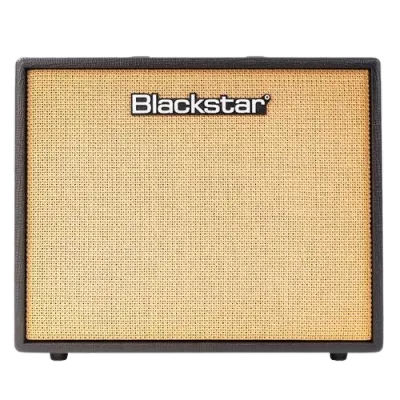
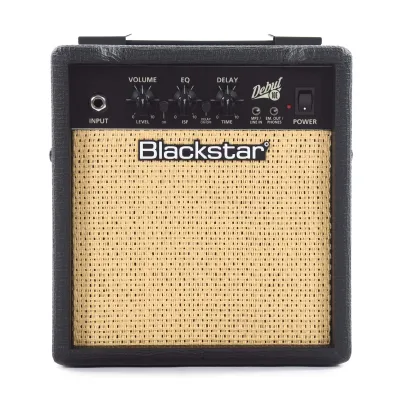
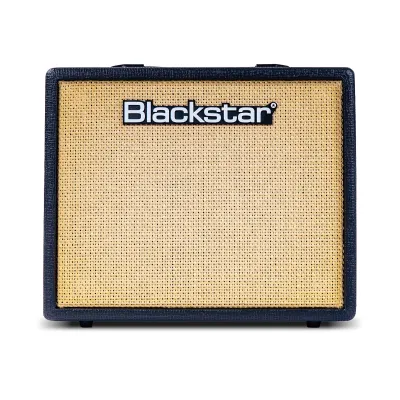
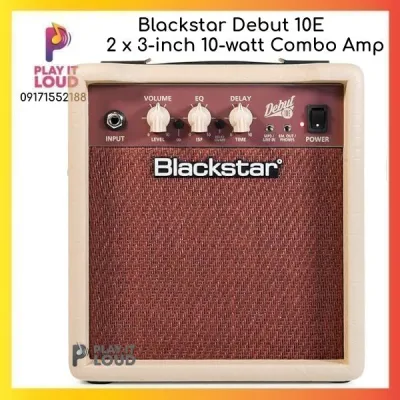
Prices are valid at publication and may change. Please refer to the product page for the latest price.
Acoustic amplifiers, on the other hand, utilize full-range, flat-response speaker systems. These setups often pair a woofer for low frequencies with a dedicated tweeter to capture the high-frequency sparkle and transient attack of acoustic strings. When you plug an electro-acoustic guitar or a ukulele into an acoustic amp, the goal is to make the amplified sound match the natural, unplugged sound of the wood as closely as possible.
The approach to tone shaping also differs dramatically between these two categories. The Blackstar Debut 50R features Blackstar’s proprietary Infinite Shape Feature (ISF) control, which allows players to sweep between a tight, focused American-style tone and a warmer, more open British-style voicing. While highly effective for electric guitar tones, this control is not designed to address the unique acoustic challenges of feedback. Dedicated acoustic amplifiers instead feature multi-band graphic equalizers, notch filters, and phase switches specifically engineered to target and eliminate the howling feedback that occurs when acoustic guitar bodies resonate at high volumes.
Furthermore, the built-in effects on these amplifiers serve entirely different musical purposes. The Debut 50R offers analog-voiced overdrive channels and classic plate or hall reverb options, which are highly suited for rock, blues, and jazz electric styles. Acoustic amplifiers rarely feature overdrive; instead, they offer modulation effects like chorus, warm delays, and specialized vocal reverbs. Because many acoustic players also sing, these amplifiers frequently include dedicated microphone channels with independent controls, turning the amplifier into an all-in-one performance solution.
When the Blackstar Debut 50R Makes Sense for Beginners
The Blackstar Debut 50R is a highly capable choice for beginners whose primary instrument is a solid-body, semi-hollow, or hollow-body electric guitar. If your musical goals involve exploring genres like rock, blues, indie, or metal, this amplifier provides the necessary analog preamp design to achieve authentic dirty tones. The inclusion of a foot-switchable overdrive channel allows beginners to practice transitioning from clean rhythm parts to driven lead sections seamlessly.

With its 50-watt output, the Debut 50R offers a highly versatile power level for developing musicians. While 50 watts might sound intimidating for home use, the amplifier’s solid-state design allows it to deliver rich, full tones at low, bedroom-friendly volumes without losing its character. As you progress from solo practice to playing with others, this wattage provides enough headroom and projection to keep up with a drummer in a small garage rehearsal space or a local community jam session.
However, the Debut 50R can still find a place in an acoustic player’s setup under specific conditions. If you own an electro-acoustic guitar but prefer a warm, jazz-influenced, or slightly vintage tone, running your guitar through the clean channel of the Debut 50R can yield pleasing results. The built-in plate and hall reverb options can add a sense of space that softens the mid-range focus of the electric speaker. This setup is highly subjective, but for players who split their time between electric and acoustic instruments, it offers a functional compromise.
Before making a final decision, beginners should carefully review the official manufacturer specifications. Checking the exact control layout, the presence of the line-in jack for backing tracks, and the headphone output configuration ensures the physical unit matches your daily practice workflow. This verification prevents surprises regarding cable compatibility and silent practice options.
When to Choose a Dedicated Beginner Acoustic Amp Instead
If your primary instrument is an acoustic-electric guitar, a nylon-string classical guitar, or an acoustic ukulele equipped with a pickup, a dedicated acoustic amplifier is almost always the more suitable choice. These instruments rely on delicate high-frequency overtones and complex body resonances that an electric guitar amp simply cannot reproduce. An acoustic amp ensures that the bright chime of your steel strings or the warm woody resonance of your ukulele is preserved and projected accurately.
For singer-songwriters, a dedicated acoustic amplifier is an invaluable tool. Most entry-level acoustic amps feature a dual-channel design, offering one dedicated instrument input and one XLR microphone input. This allows you to plug in your guitar and a vocal microphone simultaneously, with independent volume, EQ, and reverb controls for each channel. This capability is essential for practicing live performance dynamics at home or busking in local outdoor spaces.
The physical environment also plays a significant role in this decision. In tropical climates like the Philippines, outdoor performances, beachside gatherings, and street busking are highly popular. Many dedicated beginner acoustic amplifiers are designed with portability in mind, and some models even offer battery-power options. This allows you to perform in parks, open-air barangay halls, or beach resorts without worrying about finding an electrical outlet.
Additionally, acoustic amplifiers are engineered to handle the high-output signals of piezo and soundhole pickups. These pickups can sometimes sound harsh or “quacky” when plugged into standard audio inputs. Acoustic preamps are voiced to smooth out these harsh transients, delivering a polished, high-fidelity sound that flatters your instrument’s natural voice. If your goal is pure, uncolored acoustic beauty, investing in a dedicated acoustic amp is the most logical path.
Feature and Specification Checklist for Your Decision
When shopping at authorized music dealers or browsing online marketplaces, having a concrete checklist of specifications helps cut through marketing jargon. Comparing these technical aspects directly ensures you select an amplifier that fits both your current skill level and your future performance aspirations.
Power and Speaker Configuration
Begin by evaluating the wattage and speaker size of the models you are comparing. The Blackstar Debut 50R features a 50-watt power rating paired with a custom-designed 12-inch speaker, which provides excellent bass response and mid-range punch for electric guitars. Acoustic amplifiers in a similar price bracket may offer lower wattage (such as 15 to 30 watts) but utilize specialized dual-cone speakers or a combination of a smaller woofer and a tweeter. Ensure the speaker configuration aligns with your need for either electric mid-range punch or acoustic high-frequency clarity.
Input Channels and Connectivity
Examine the input panel of each candidate amplifier to match your gear requirements. The Debut 50R offers a single main instrument input, alongside an auxiliary input for playing along with backing tracks from your phone or tablet. If you plan to sing while playing, look for acoustic amplifiers that explicitly feature a secondary XLR microphone input. Additionally, verify the presence of a headphone jack for silent practice during late-night sessions, and a line-out jack if you plan to connect the amplifier directly to a recording interface or a larger PA system.
Onboard Effects and Tone Controls
Consider the types of built-in effects and tone-shaping tools provided. The Debut 50R relies on its patented ISF control and a simple three-band EQ, alongside digital tape and plate reverb options. Acoustic amplifiers should ideally offer a dedicated chorus effect, which adds depth and shimmer to acoustic strings, and basic anti-feedback controls. If you are performing in humid environments where acoustic wood can swell and change resonance, having precise EQ controls to tame problematic frequencies is highly beneficial.
Physical Dimensions and Weight
Portability is a crucial factor for beginners who need to transport their gear to music lessons, school events, or friend’s houses. Larger cabinet designs with 12-inch speakers, like the Debut 50R, offer fuller sound projection but are heavier and bulkier to carry. Smaller acoustic amps are often lightweight and compact, making them easier to transport on public transit or store in tight living spaces. Always cross-reference these physical dimensions and weights in the official product manuals, as manufacturing variations can occur between production batches.
Final Verdict: Matching the Amp to Your Guitar
Ultimately, the choice between the Blackstar Debut 50R and a dedicated beginner acoustic amplifier comes down to your primary instrument and your musical goals. There is no universal winner in this comparison, as both styles of amplification excel in their respective domains. Your decision should be guided by where you plan to spend the majority of your playing time.
If your heart is set on playing electric guitar, mastering overdrive tones, and having enough power to jam with a full band, the Blackstar Debut 50R is a highly practical, user-friendly option. Its analog design and simple controls make it highly rewarding for beginners. However, if your focus is acoustic fingerpicking, singing along with your guitar, or performing outdoors with a clean, natural sound, a dedicated acoustic amplifier will serve you far better.
For players who find themselves needing both high-end digital modeling, advanced wireless connectivity, or professional-grade PA projection, neither of these entry-level options may be completely sufficient. In those scenarios, it is wise to research advanced multi-effects processors or higher-tier acoustic PA systems. Before finalizing your purchase, we highly recommend checking local availability, warranty coverage, and current pricing in ₱ at authorized music distributors in the Philippines to ensure you receive genuine products and reliable after-sales support.
Frequently Asked Questions (FAQ)
Can I plug an acoustic guitar into the Blackstar Debut 50R?
Yes, you can physically plug an electro-acoustic guitar into the Blackstar Debut 50R using a standard instrument cable, and it will produce sound safely without damaging the amplifier or the guitar. However, because the Debut 50R’s speaker and preamp are voiced specifically for electric guitars, the resulting tone will be colored. You may notice a heavy mid-range emphasis and a lack of the bright, airy high frequencies that define a natural acoustic sound. To get the best possible sound from this combination, use the clean channel, keep the overdrive turned off, and adjust the ISF and EQ controls to find a flatter, more neutral tone.
Is 50 watts loud enough for small gigs or jam sessions?
Yes, a 50-watt solid-state amplifier like the Blackstar Debut 50R is generally loud enough for bedroom practice, small rehearsals, and intimate acoustic jam sessions. It provides plenty of clean headroom to be heard clearly over acoustic instruments and light percussion. However, if you are playing in a loud rock band with a heavy-handed drummer, or performing in a large outdoor venue, a 50-watt solid-state amp may struggle to cut through without being pushed into unwanted distortion. In those situations, you will likely need to mic the amplifier or run a line-out signal directly into the venue’s main PA system. Always consult the product manual to verify the specific decibel output and line-out capabilities of your unit.

Community discussion
Share your experience or ask a question. Comments are reviewed before publication.