
Choosing the right electric guitar strings full set in the Philippines requires balancing your personal playing style with the realities of a tropical climate. High relative humidity and warm temperatures accelerate the oxidation of metal, meaning that a set of strings that lasts for months in a dry climate might lose its brightness and develop rust within weeks here. Selecting the correct gauge, material, and construction not only enhances your guitar’s tone and playability but also ensures your instrument remains reliable during long practice sessions and live performances.
Every guitarist interacts with their instrument primarily through the strings, making this relatively inexpensive accessory one of the most critical factors in your overall sound. The tension, tactile feel, and frequency response of your guitar are all dictated by the physical properties of the strings you install. By understanding how different string designs perform under various playing techniques, you can make an informed decision that elevates your playing experience and protects your guitar’s hardware from premature wear.
Understanding String Gauges, Materials, and Winding Types
To evaluate any electric guitar strings full set effectively, you must look past marketing buzzwords and focus on three core physical attributes: gauge, material, and winding type. These three factors dictate how the string feels under your fingers, how much tension it exerts on the guitar neck, and how it interacts magnetically with your pickups.
Products mentioned in this guide
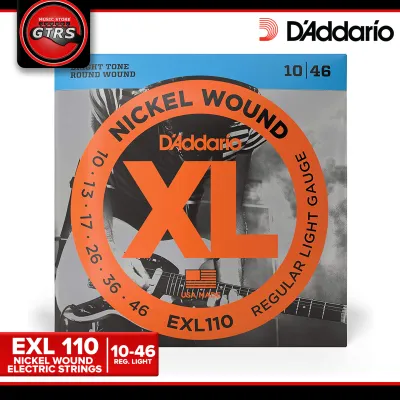

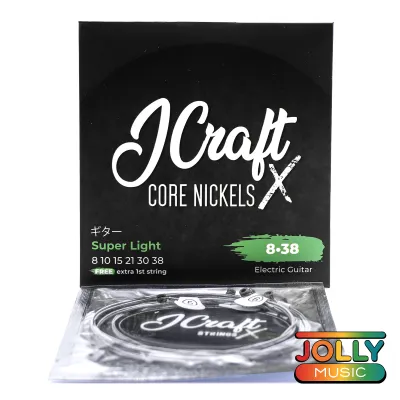


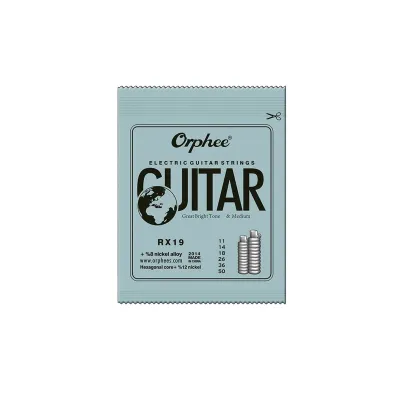
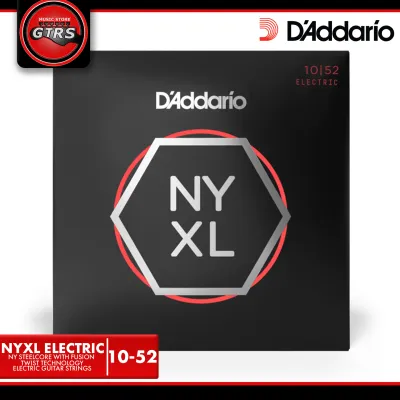
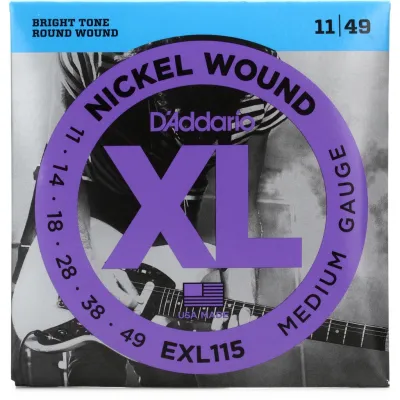
Prices are valid at publication and may change. Please refer to the product page for the latest price.
String gauge refers to the thickness of the strings, measured in thousandths of an inch. Extra-light sets (typically starting at .008 or .009) exert low tension, making them incredibly easy to bend, press down, and play for extended periods without hand fatigue. Light sets (starting at .010) offer a balanced middle ground, providing a bit more physical resistance and a slightly fuller tone while remaining highly playable. Medium and heavy sets (starting at .011, .012, or higher) exert significant tension, requiring stronger fingers but rewarding the player with a thicker, punchier acoustic output and excellent stability for drop tunings.
The core and wrap materials directly shape the magnetic output and tonal brightness of the strings. Nickel-plated steel is the industry standard, offering a highly balanced frequency response with a bright attack and warm sustain that suits almost any musical genre. Pure nickel strings provide a warmer, rounder, vintage-inspired tone with a softer high-end, making them highly responsive to dynamic touch. Stainless steel strings are exceptionally bright and corrosion-resistant, delivering a sharp, aggressive bite that cuts through dense mixes, though they can feel slightly abrasive to the touch and cause faster wear on softer nickel-silver frets.
Winding methods alter both the physical texture of the string and its harmonic profile. Roundwound strings are the most common, featuring a round wire wrapped around a hex or round core, which creates a textured surface that produces bright, sustaining tones but also noticeable finger squeak. Flatwound strings use a flat, ribbon-like outer wrap, resulting in a completely smooth surface that eliminates finger noise and produces a dark, mellow, fundamental-focused tone. Halfround strings are roundwound strings that have been precision-ground to a semi-flat profile, offering a compromise that retains some high-end brightness while providing a smoother physical feel.
Recommended String Specifications for Different Playing Styles
Different musical genres demand distinct physical techniques, which in turn require specific string characteristics to achieve the desired tone and playability. Matching your electric guitar strings full set to your primary playing style prevents you from fighting your instrument and helps you achieve your desired sound with less effort.

For blues and classic rock, the focus is heavily on expressive string bending, wide vibrato, and dynamic touch sensitivity. A light-to-medium set, such as a standard .010 to .046 gauge, provides enough tension to fight back slightly against your fingers, allowing for precise control over pitch during slow, emotional bends. Pure nickel or vintage-style nickel-plated steel alloys are highly recommended for these styles, as their warm mid-range and soft high-end complement the natural breakup of a tube amplifier or an overdrive pedal. This combination ensures that your solos sound thick and vocal rather than harsh or piercing.
Hard rock and metal guitarists require strings that can handle aggressive picking, fast down-tuned riffs, and high-gain amplification. Heavy gauges, such as .011 to .052 or specialized hybrid sets with heavy bottom strings, are essential for maintaining tight low-end tracking and preventing the strings from turning muddy or flapping against the frets. Stainless steel or high-magnetic-output alloys are excellent choices here, as they provide the sharp transient attack and bright clarity needed to define fast note runs under heavy distortion. Additionally, the high tension of heavier sets ensures excellent tuning stability when using drop tunings or aggressive tremolo systems.
Jazz and neo-soul players generally prioritize a warm, clean, and focused tone with minimal physical distraction. Flatwound strings in heavier gauges, such as .011 to .050 or .012 to .052, are the traditional standard for these genres. The smooth outer ribbon wrap eliminates the high-pitched finger squeak that can ruin a quiet, clean jazz passage, while the heavy gauge provides a solid, woody acoustic resonance. This setup emphasizes the fundamental pitch of each note, delivering a smooth, dark, and velvety tone that blends beautifully with clean neck-pickup settings and complex chord voicings.
Pop and indie music often involve intricate chord shapes, ambient effects, and long hours of rhythmic strumming. Light or extra-light gauges, such as .009 to .042, are highly suitable for these styles because they minimize hand fatigue during long practice sessions and live sets. Nickel-plated steel roundwound strings offer the bright, crisp articulation needed to keep clean chords sounding defined, even when processed through heavy delay, reverb, or modulation pedals. The lower tension also makes it easier to execute clean, rapid chord transitions and delicate fingerpicking patterns across the entire fretboard.
Essential Checks Before Buying an Electric Guitar Strings Full Set
Before purchasing an electric guitar strings full set from an online marketplace or a local music store, running through a physical compatibility checklist will save you from frustrating setup issues or unusable purchases.
First, verify the scale length compatibility of the string set with your specific guitar. Standard electric guitars with scale lengths between 24.75 and 25.5 inches can use almost any standard string set. However, if you play a baritone guitar, a multi-scale instrument, or an extended-range guitar (such as a 7-string or 8-string model), you must ensure the strings are long enough. Standard strings may taper too early, causing the thin, unwound portion of the string to sit in the nut slots or bridge saddles, which ruins intonation and causes severe string buzz.
Second, check your guitar’s bridge and tuning peg requirements. While the vast majority of electric guitars use standard ball-end strings, certain specialized designs require alternative configurations. For example, headless guitars often require double-ball end strings that lock at both ends of the instrument. Additionally, if you are planning to install a significantly heavier gauge set than what is currently on your guitar, verify that your tuning peg holes and nut slots are wide enough to accommodate the thicker wires without binding or requiring physical modification.
Third, evaluate the environmental conditions where your guitar is stored and played. In the tropical climate of the Philippines, high humidity and sweat can cause uncoated steel strings to rust and lose their tone within a matter of days. If you play frequently, sweat heavily, or store your guitar in a non-air-conditioned room, investing in a polymer-coated electric guitar strings full set is highly practical. Although coated sets carry a higher initial price tag, their ability to resist moisture and maintain a fresh tone for weeks or months often makes them more cost-effective in the long run.
Finally, double-check the exact string count and gauge sequence printed on the packaging. It is easy to accidentally purchase a 7-string set for a 6-string guitar, or a hybrid set with unusual tension balances that you might not find comfortable. Verifying that the package contains a complete, factory-sealed full set ensures you will not face unexpected surprises when you sit down to restring your instrument.
Frequently Asked Questions (FAQ)
How often should I change my electric guitar strings?
Rather than following a rigid calendar schedule, you should monitor your strings for physical, tonal, and tactile signs of degradation. Visually, look for dark discoloration, rust spots, or physical fraying and flat spots where the strings contact the frets and bridge saddles. Tonally, you will notice a significant loss of high-end brightness, a muddy mid-range, and difficulty maintaining accurate intonation across the fretboard. Tactilely, old strings feel rough, stiff, and accumulate a sticky layer of sweat and grime underneath, which increases friction and hinders smooth finger movement.
Can I mix different string brands or gauges in one set?
While you can physically mix individual strings from different brands or sets, doing so introduces mechanical and tonal risks. Mixing random gauges can create severe tension imbalances across the guitar neck, which can warp the neck relief, cause localized fret buzz, and make setting the intonation highly difficult. Furthermore, mixing different alloys or winding types results in uneven volume and inconsistent tone as you transition from string to string. Custom hybrid sets should only be assembled using calculated tension charts to ensure the total tension remains safe for your guitar’s truss rod.
Do coated strings really last longer in humid climates?
Yes, polymer-coated strings offer a distinct advantage in humid tropical environments like the Philippines. The microscopic protective coating acts as a physical barrier, preventing sweat, skin oils, and airborne moisture from penetrating the winding crevices and corroding the core wire. While they do carry a slight trade-off in the form of a slightly warmer initial tone and a slicker physical feel, they maintain their brightness and structural integrity far longer than uncoated strings. For players who want to minimize maintenance and avoid changing strings every few weeks, coated sets provide excellent long-term value.

Community discussion
Share your experience or ask a question. Comments are reviewed before publication.