
For Filipino beginners entering the foreign exchange market, the most effective forex trading books are those that prioritize structural market education, risk management, and trading psychology over promises of quick riches. Specifically, “Currency Trading for Dummies” by Kathleen Brooks and Brian Dolan serves as the ideal starting point for fundamental mechanics, while “Forex For Beginners” by Anna Coulling provides a deep dive into market structure. For actionable strategies, “Day Trading and Swing Trading the Currency Market” by Kathy Lien bridges theory and practice, and “Trading in the Zone” by Mark Douglas delivers the essential psychological training required to survive the market’s emotional volatility.
Starting a trading journey from the Philippines requires navigating a vast sea of online information, much of which is designed to sell expensive seminars or unregulated trading software. In contrast, a well-chosen book offers a structured, peer-reviewed, and cost-effective curriculum. By investing in foundational literature, aspiring traders can develop a realistic understanding of currency movements, leverage, and risk management before risking their hard-earned Philippine Peso (PHP) capital.
How to Choose the Right Forex Trading Book
Selecting the right educational material is the first critical decision a novice trader makes. The financial publishing landscape is filled with self-published guides that function primarily as promotional brochures for high-ticket coaching programs or signal services. To protect your capital and your time, it is vital to distinguish between objective educational textbooks and promotional materials disguised as books.
Products mentioned in this guide
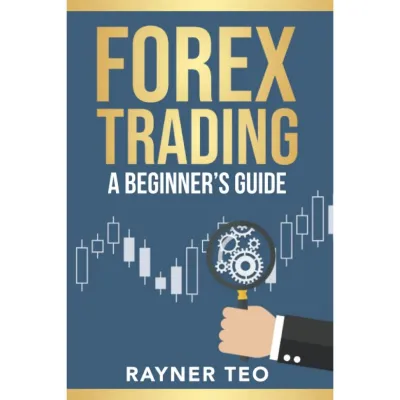
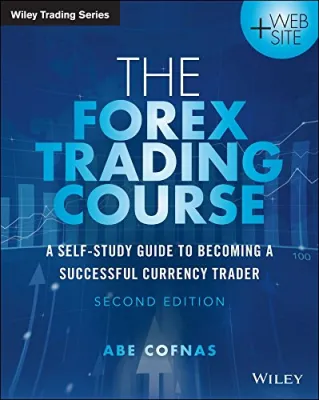
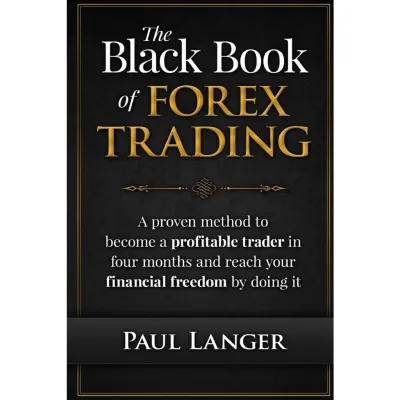
Prices are valid at publication and may change. Please refer to the product page for the latest price.
When evaluating a forex trading book, first examine the author’s professional credentials. Look for writers who have a background in institutional trading, have worked for reputable investment banks, or hold recognized financial certifications. Authors with regulatory experience or those who have managed institutional funds bring a level of discipline and market realism that retail-only commentators rarely possess.
Publication date is another factor to consider, though its importance varies depending on the topic. Core principles of supply and demand, liquidity, and basic technical analysis remain stable over decades. However, books addressing market microstructure, trading platforms, regulatory environments, and algorithmic trading need to be relatively current to remain useful. Ensure that any book discussing specific software or broker structures has been updated within the last few years.
A high-quality book will always place risk management at the forefront of its teachings. If a book promises guaranteed profits, high win rates, or secret formulas with little to no discussion of loss mitigation, treat it as a warning sign. Legitimate trading literature emphasizes that capital preservation is the primary goal of any trader, presenting a realistic picture of the steep learning curve and the inherent risks of currency trading.
Lastly, verify that the book matches your current level of comprehension. A beginner should look for books that dedicate ample space to defining foundational terminology such as pips, lots, leverage, margin, and currency pairs. Attempting to read advanced books on quantitative trading or complex macroeconomic theory before mastering these basics often leads to confusion and costly mistakes in live market execution.
Recommended Forex Trading Books for Beginners
Currency Trading for Dummies by Kathleen Brooks and Brian Dolan
For absolute beginners who need a comprehensive, jargon-free introduction to the currency markets, “Currency Trading for Dummies” is an exceptional starting point. The authors do an outstanding job of translating complex financial concepts into plain, accessible English, making the global currency market feel approachable even to those without a background in finance.

The book covers a broad spectrum of essential topics, starting with basic market mechanics. Readers will learn how the decentralized forex market operates, how to read currency quotes, and the fundamental differences between major, minor, and exotic currency pairs. It also provides a balanced introduction to both fundamental analysis—such as how interest rates and employment data drive currency values—and technical analysis, which involves reading price charts and identifying trends.
The credibility of this guide rests on the professional backgrounds of its authors. Kathleen Brooks and Brian Dolan are seasoned financial industry experts with years of experience in market analysis and institutional trading. Their insights ensure that the advice provided is grounded in real-world market behavior rather than theoretical speculation.
Beyond theory, the book excels in providing practical checklists and actionable advice. It guides readers through the process of developing a personalized trading plan, choosing a broker, and setting up a risk-conscious trading environment. This practical focus helps beginners establish structured habits from day one, reducing the likelihood of making impulsive, emotionally driven trades.
Forex For Beginners by Anna Coulling
“Forex For Beginners” by Anna Coulling is highly regarded for its deep focus on foundational concepts and market structure. Instead of simply telling readers what patterns to look for on a chart, Coulling dedicatedly explains the “why” behind market movements. This approach helps beginners build a conceptual framework that allows them to interpret market behavior dynamically.
A major strength of this book is its thorough demystification of leverage and margin. In the Philippines, where retail trading platforms often offer high leverage ratios, many beginners are lured by the prospect of outsized gains without understanding the corresponding risks. Coulling explains how leverage acts as a double-edged sword, illustrating with clear examples how quickly excessive leverage can deplete a trading account.
The book also provides a comprehensive look at the roles played by central banks, commercial institutions, and macroeconomic indicators in driving currency trends. By understanding how interest rate decisions, inflation, and geopolitical events influence capital flows, readers can better appreciate the forces that shape long-term currency valuations.
Coulling advocates for a straightforward, uncluttered approach to building a trading strategy. Rather than overloading charts with complicated technical indicators, she emphasizes understanding price action and volume. This focus on simplicity helps beginners avoid analysis paralysis and encourages them to develop a clean, objective view of market dynamics.
Day Trading and Swing Trading the Currency Market by Kathy Lien
Once a beginner has grasped the absolute basics, “Day Trading and Swing Trading the Currency Market” by Kathy Lien serves as an excellent bridge to more advanced, actionable trading strategies. Lien, a well-known currency strategist and regular financial media commentator, offers a wealth of practical knowledge tailored to different trading styles.
The book’s dual focus on short-term day trading and medium-term swing trading is highly beneficial for beginners. It helps readers understand the distinct characteristics, time commitments, and psychological demands of each style. This comparative view allows aspiring traders to identify which approach aligns best with their daily schedules, risk tolerance, and personal temperament.
Lien provides detailed explanations of how to trade specific economic news releases. She outlines how major indicators, such as the US Non-Farm Payrolls (NFP) or central bank interest rate announcements, typically impact currency pairs. This section is particularly valuable for understanding how short-term volatility is generated and how traders can position themselves safely during high-impact events.
While the book introduces technical and fundamental strategies that are more sophisticated than basic support and resistance, Lien’s clear writing style ensures the material remains accessible. It is the ideal next-step book for readers who want to transition from theoretical understanding to active strategy development and execution.
Trading in the Zone by Mark Douglas
No trading education is complete without a deep dive into the psychological aspects of speculation, and Mark Douglas’s “Trading in the Zone” is universally recognized as the definitive text on this subject. While not exclusively focused on the forex market, its teachings are vital for any retail currency trader aiming for long-term consistency.
Douglas addresses the core psychological challenges that every trader faces, such as the fear of losing money, the temptation to overtrade, and the destructive need to be “right” on every single trade. He explains how these emotional responses are rooted in natural human psychology but are highly detrimental to success in a probabilistic environment like trading.
The book’s central thesis is the importance of thinking in probabilities. Douglas teaches readers how to accept risk, embrace uncertainty, and view individual trades as part of a larger series of statistical outcomes. By shifting one’s mindset from predicting the future to executing a defined edge consistently, traders can eliminate the emotional highs and lows that lead to catastrophic account blowouts.
For Filipino beginners, mastering the mental discipline outlined in this book is often the deciding factor in whether they survive their first year of trading. It helps traders maintain composure and adhere to their risk management rules, even during a string of losing trades, which is an inevitable part of the professional trading journey.
Where to Find and Buy Forex Books in the Philippines
Acquiring these books in the Philippines is straightforward, with several reliable channels available for both physical and digital formats. For those who prefer physical copies, major local bookstore chains such as Fully Booked and National Book Store are excellent starting points. While specialized finance and trading titles may not always be stocked on the shelves of smaller branches, both retailers often allow customers to check their official online catalogs or place special orders for import.
Digital formats offer immediate access and eliminate the cost and delay of international shipping. Platforms like Amazon Kindle, Apple Books, and Kobo host all of the recommended titles. Reading digitally also allows you to highlight key passages, search for specific terms, and carry an entire reference library on a smartphone, tablet, or e-reader—making it easy to study during a daily commute or during breaks.
For busy individuals who prefer to learn on the go, audiobooks are an increasingly popular and productive option. Legitimate platforms such as Audible or Google Play Books offer high-quality audio versions of many classic trading texts. Listening to these books during long commutes in Metro Manila or during routine daily tasks is an efficient way to reinforce key concepts.
Before making a purchase, always verify the book’s edition, language, and file format compatibility with your devices to ensure a seamless reading experience. It is highly recommended to avoid downloading unauthorized PDF copies from unverified websites. These files are often incomplete, poorly formatted, and can contain malicious software that compromises your device’s security. Furthermore, purchasing through authorized channels ensures you are supporting the authors and receiving accurate, high-quality educational content.
Tips for Applying Forex Book Knowledge to Practice
Reading about forex trading is only the first step; the true learning begins when you apply that knowledge in a controlled environment. The most critical step after finishing a chapter is to open a demo trading account with a well-regulated broker. A demo account allows you to practice using virtual funds, ensuring you can test strategies, navigate trading platforms, and understand market mechanics without risking actual capital.
To maximize the value of your reading, adopt a structured, systematic approach to learning. Instead of reading an entire book in one sitting, read a single concept or strategy, and then spend several days observing and testing that specific concept in your demo account. Keep a detailed trading journal where you record your observations, the setups you identified, and the outcomes of your simulated trades. This process of reading, testing, journaling, and refining helps solidify theoretical concepts into practical skills.
Beware of the “illusion of competence” that often arises from passive reading. Understanding a strategy conceptually is vastly different from executing it in real-time when prices are moving rapidly. Screen time—spent actively observing price action, identifying patterns, and managing simulated trades—is irreplaceable. It builds the visual pattern recognition and mechanical familiarity that every successful trader relies on.
Finally, encourage yourself to cross-reference concepts across different books. No single author has a monopoly on market truth. By comparing Kathy Lien’s approach to news trading with Anna Coulling’s analysis of volume, or mapping Mark Douglas’s psychological rules onto Kathleen Brooks’s risk management checklists, you can synthesize a well-rounded, customized trading plan that suits your specific goals and risk tolerance.
Frequently Asked Questions (FAQ)
Are free PDF forex books reliable for beginners?
While some regulated brokers provide high-quality educational e-books for free, many unauthorized PDFs found on random internet sites are unreliable. These files are often outdated, contain incomplete chapters, or are embedded with hidden promotional links and malware. For a safe and accurate education, it is best to stick to officially published books or free educational modules provided by recognized financial regulatory bodies and established academic institutions.
Do I need to understand complex math to read these forex books?
You do not need an advanced mathematics background to read and understand beginner forex books. The mathematical requirements are limited to basic arithmetic—such as addition, subtraction, multiplication, and division—and a clear understanding of percentages. Modern trading platforms automatically handle complex calculations like margin requirements, pip values, and position sizing, allowing you to focus your energy on strategy development, market analysis, and risk management.

Community discussion
Share your experience or ask a question. Comments are reviewed before publication.