
Starting your first job brings new financial responsibilities and opportunities. While a single book cannot replace professional financial advice, the right reading material can build a strong foundation for budgeting, saving, and investing. This guide helps young professionals in the Philippines identify, evaluate, and select beginner-friendly financial management books that address local realities and entry-level salary constraints, ensuring you invest your time and money in resources that truly apply to your situation.
To make the most of your hard-earned money, you need resources that speak directly to your current financial reality. Many international bestsellers focus on financial systems, tax laws, and investment vehicles that do not exist locally. Therefore, the best financial management books for young Filipino professionals are those that combine universal wealth-building mindsets with practical, actionable strategies tailored to local salaries, banking systems, and cultural expectations.
Key Financial Topics to Look for in Beginner Books
When you are starting your career, your financial priorities are vastly different from those of mid-career professionals or retirees. The books you choose should reflect this by focusing heavily on foundational habits rather than complex trading strategies. Look for authors who break down budgeting frameworks that can realistically be applied to entry-level salaries. A good beginner book should help you allocate your income effectively, taking into account the high cost of urban living, transportation, and daily necessities without making you feel deprived.
Products mentioned in this guide
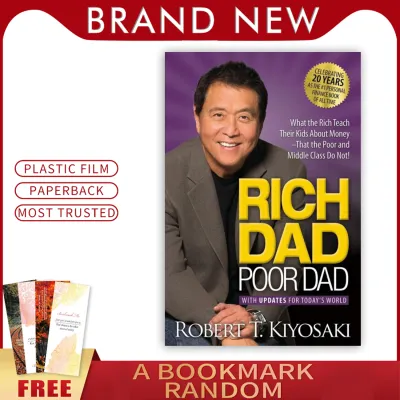
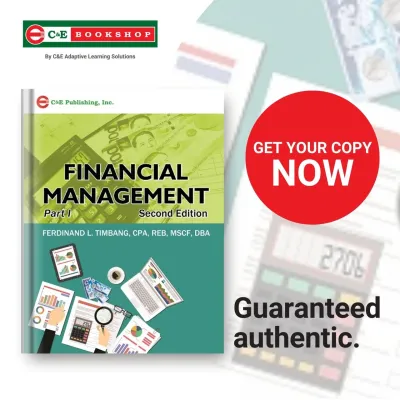
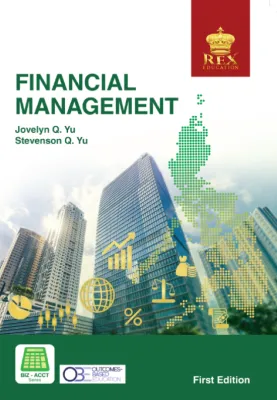
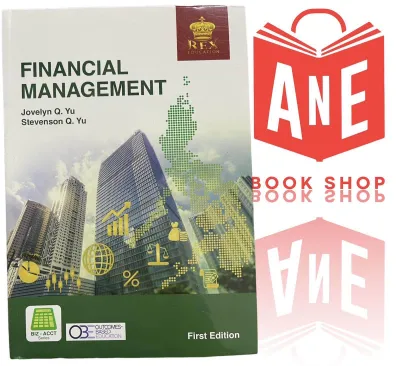
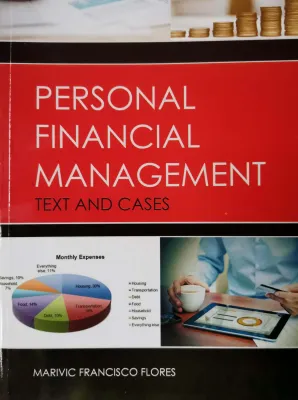
Prices are valid at publication and may change. Please refer to the product page for the latest price.
Another critical topic to look for is the management of mandatory deductions and local contributions. In your first job, your payslip will show deductions for the Social Security System (SSS), PhilHealth, and the Pag-IBIG Fund. A comprehensive local finance book should explain how these systems work, what benefits they offer, and how you can leverage them as part of your broader financial safety net. Understanding these basics early prevents confusion and helps you see these deductions as assets rather than lost income.
Additionally, look for chapters dedicated to building an emergency fund and understanding basic risk assessment. Before you even think about buying stocks or mutual funds, you must learn how to protect yourself from unexpected financial shocks, such as medical emergencies or sudden job transitions. A valuable guide will teach you how to calculate your personal safety net and where to keep it so that it remains liquid yet secure.
Finally, the book should introduce foundational investing principles in a clear, non-intimidating manner. It should explain the concept of compounding interest, inflation, and the difference between active and passive investing. For a young professional, learning how to start small—even with just a few hundred pesos—is far more important than trying to find the next high-yield trend. The focus should always be on consistency and long-term growth.
How to Evaluate if a Book Fits the Local Context
The global personal finance market is dominated by Western authors whose advice, while brilliant in theory, may not translate well to the local landscape. For instance, a book that heavily emphasizes contributing to a 401(k) or utilizing specific tax-advantaged accounts unique to North America will leave you feeling confused and frustrated. When evaluating a financial book, check if the author addresses the specific banking systems, tax structures, and investment vehicles available in the Philippines.

To do this, look closely at the terminology used in the book. If the text constantly references foreign retirement schemes, specific overseas real estate laws, or investment platforms that do not accept local retail investors, the tactical advice may be of limited use to you. Instead, seek out books that discuss local alternatives, such as the Pag-IBIG MP2 program, Unit Investment Trust Funds (UITFs) offered by local banks, or mutual funds registered with the Securities and Exchange Commission (SEC).
However, this does not mean you should completely discard international classics. The key is to distinguish between universal financial psychology and region-specific tactical advice. Books that focus on the emotional relationship with money, the habit of saving, and the mindset of wealth accumulation are universally applicable. You can read these for inspiration and mental frameworks, but you should pair them with local guides for actual execution.
Furthermore, always assess the publication date of any local financial guide you consider. Financial regulations, tax brackets, and digital banking options change rapidly. A book written over a decade ago might reference outdated tax rates or ignore the rise of high-yield digital bank accounts, which have revolutionized how young Filipinos save. Ensure the edition you are reading reflects the current economic environment and regulatory framework.
Essential Book Formats and Editions to Consider
Choosing the right format for your financial reading can significantly impact how much information you retain and actually put into practice. Physical books remain a popular choice for many because they allow you to easily highlight key passages, write notes in the margins, and flip back and forth between chapters. Having a physical copy on your desk can also serve as a daily visual reminder of your financial goals.
On the other hand, if you face a long daily commute on the MRT, buses, or utility vehicles, digital formats might be far more practical. E-books are highly portable, allowing you to carry an entire financial library on your smartphone or e-reader. Many e-readers also feature built-in dictionaries and highlighting tools that make studying financial terms highly efficient. Audiobooks are another excellent alternative for busy professionals, turning passive commute time or household chores into productive learning sessions.
Before purchasing a digital version, however, you must verify device compatibility and check for potential region locks. Some digital publishing platforms restrict access to certain titles based on your geographical location. Always ensure that the e-book or audiobook platform you use officially supports downloads in your region to avoid losing access to your purchased content.
Additionally, take a moment to review the table of contents and sample pages before making a purchase. This is especially important for digital editions, where formatting errors can sometimes render tables, budget worksheets, or charts unreadable. Ensure that the edition you are buying is complete, authorized, and properly formatted for your specific device so that you do not miss out on crucial visual aids.
Where to Source Authentic Finance Books
With the rise of online marketplaces, counterfeit and pirated books have become increasingly common. While these cheap copies might seem tempting to a budget-conscious young professional, they often suffer from poor print quality, missing pages, misaligned text, and toxic ink odors. More importantly, purchasing pirated books deprives authors of their rightful earnings and discourages them from producing more localized content.
To ensure you are getting an authentic copy, always source your books from authorized physical bookstores or the official brand stores of established publishers on reputable e-commerce platforms. Look for verified seller badges and read customer reviews carefully, paying close attention to photos of the actual product. Authentic books will have crisp printing, sturdy binding, and high-quality paper that makes reading a much more pleasant experience.
If you are open to buying second-hand books to save money, do so with caution. Inspect the book thoroughly for missing pages, heavy water damage, or excessive markings that might obscure the text. Verify that the second-hand copy is not a counterfeit by checking the paper quality and the publisher’s logo. Buying pre-owned books from fellow readers or reputable used-book shops is a great way to build your library sustainably, provided you verify the book’s condition first.
Do not overlook the value of public, community, or university libraries. Many libraries now offer digital lending services, allowing you to borrow e-books and audiobooks for free. Utilizing these resources is an excellent way to conduct initial research and read through a book before deciding if it is valuable enough to warrant a permanent spot on your bookshelf.
Building Your First Financial Reading Plan
Reading about financial management is only the first step; the real value lies in application. To prevent information overload, structure a practical reading plan that aligns with your daily life and professional schedule. A highly effective strategy is to align your reading milestones with your monthly or semi-monthly payday cycles. For example, as you read a chapter on budgeting, immediately apply those concepts to your next paycheck, tracking how your actual spending compares to the book’s recommendations.
To facilitate this, set up a simple tracking system—such as a basic spreadsheet or a dedicated notebook—to test the book’s advice against your real-world expenses. If a book suggests saving a specific percentage of your income, try it for a month and observe how it affects your daily life. If the target feels too aggressive for your current entry-level salary, adjust the numbers to fit your situation rather than giving up entirely. Personal finance is personal, and customization is key.
Finally, recognize the limits of self-education. While books provide an excellent foundation, they cannot account for every unique personal circumstance or complex financial scenario. If you find yourself facing intricate tax situations, considering major insurance policies, or preparing for significant, irreversible investment decisions, know when to pause. Consulting a licensed, reputable financial advisor can provide the personalized guidance you need to make safe and informed choices.
Frequently Asked Questions (FAQ)
Should I always buy the latest edition of a financial book?
Not necessarily, as it depends entirely on the focus of the book. If the text deals primarily with financial psychology, mindset, and timeless habits like living below your means, older editions remain incredibly valuable and relevant. However, if the book covers specific local tax laws, investment regulations, or digital banking platforms, you should prioritize the latest edition. Always check the publisher’s notes or the introduction to see if major regulatory updates or investment thresholds have changed since the previous printing.
Can I rely on free online summaries instead of reading the full book?
While free online summaries and video reviews are excellent screening tools to help you decide if a book is worth your time, they should not replace the experience of reading the full text. Summaries often strip away the nuanced context, real-life case studies, and step-by-step implementation guides that make the concepts stick. Reading the book in its entirety allows you to fully absorb the author’s logic, making it much easier to translate theoretical advice into lasting financial habits.

Community discussion
Share your experience or ask a question. Comments are reviewed before publication.