
Starting your drumming journey is an exciting milestone, but walking into a music store or browsing online can quickly become overwhelming when you see rows of identical-looking wooden sticks. For most beginners in the Philippines, the ideal starting point is a pair of 5A hickory drumsticks. This specific size and material combination offers a balanced weight, comfortable thickness, and excellent durability, making it versatile enough for practicing basic rudiments on a practice pad or playing on a full acoustic drum kit. Choosing your first pair is not just about grabbing the cheapest option; it is about finding a tool that feels natural in your hands, helps you develop proper grip technique, and withstands the high humidity of a tropical climate.
Selecting the wrong drumsticks can lead to poor habits, hand fatigue, or even physical discomfort like blisters and wrist strain. Because every drummer has unique hand sizes, physical strength, and musical preferences, there is no single pair that works perfectly for everyone. Instead, the goal is to understand how different physical specifications—such as weight, thickness, length, and wood type—affect your playing. By learning how to evaluate these factors, you can confidently choose a pair of drumsticks that supports your learning process and helps you build a solid foundation of control and speed.
Key Factors When Choosing Your First Drumsticks
When evaluating drumsticks, the physical dimensions of weight and thickness are the most critical factors affecting how the sticks feel in your hands. Thicker and heavier sticks provide more natural rebound off the drum head, which can actually make it easier for beginners to learn basic stroke techniques because the stick does much of the work returning to the starting position. However, excessively heavy sticks can quickly tire out undeveloped forearm muscles and lead to tension in your grip. Conversely, thinner sticks require less effort to hold but demand more precise finger control to generate consistent volume and rebound, which can be frustrating for someone just starting out.
Products mentioned in this guide
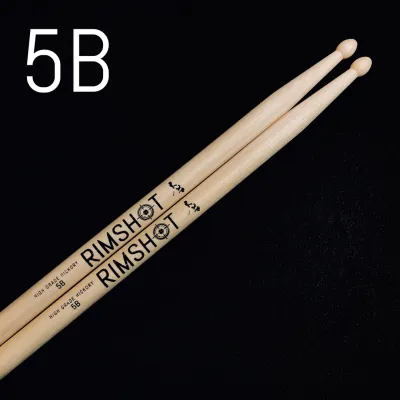
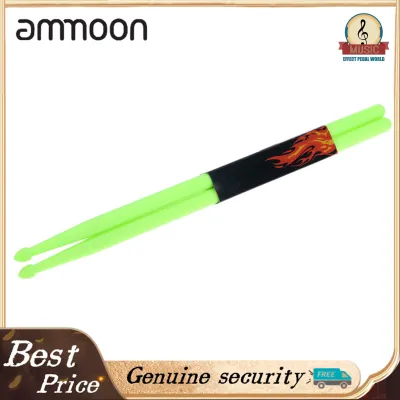
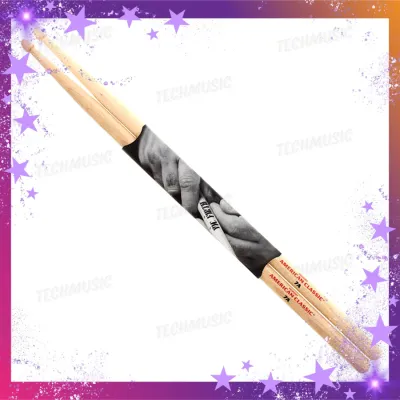
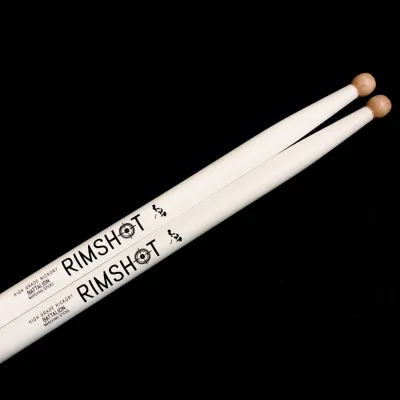
Prices are valid at publication and may change. Please refer to the product page for the latest price.
Length and balance point also play a major role in how a drumstick behaves. Standard drumsticks typically range from 15 to 16.5 inches in length. A longer stick provides greater reach around the drum kit and offers more leverage, allowing you to produce louder hits with less physical effort. However, this extra length can make the stick feel front-heavy if the balance point is too far forward. The balance point, or the pivot area where the stick naturally rests in your hand, determines the overall maneuverability. Beginners should look for a medium taper, which places the balance point near the center-rear of the stick, offering a predictable and stable feel that encourages a relaxed grip.
Finally, the shape and material of the drumstick tip significantly influence the tone and response you get from your cymbals and drum heads. Tips come in various shapes, including oval, teardrop, round, and barrel. Oval and teardrop tips are highly recommended for beginners because they have a larger surface area, which produces a warm, full-bodied tone and offers a forgiving response even if your striking angle is slightly inconsistent. Round tips produce a very bright, focused sound but require more precise striking angles to maintain tonal consistency. The choice between wood and nylon tips also affects durability and sound, with wood offering a traditional, organic response and nylon providing a bright, cutting tone that remains consistent even as the stick wears down.
Common Drumstick Sizes and Materials Explained
To make selection easier, the music industry uses a standardized numbering and lettering system to categorize drumstick sizes. The most common sizes you will encounter are 5A, 5B, and 7A. The number historically referred to the stick’s circumference (with lower numbers indicating thicker sticks), while the letter designated the intended application, such as ‘A’ for orchestra or light playing and ‘B’ for band or louder acoustic settings. For a beginner, a 5A stick is the universal standard because its medium thickness and length suit almost any musical genre. If you have larger hands or plan to play heavy rock, a thicker 5B stick might feel more comfortable, while those with smaller hands or an interest in quiet jazz may prefer the lighter 7A.

The type of wood used to manufacture the drumstick determines its durability, weight, and how much shock it transmits to your hands. Hickory is the most popular choice worldwide and is highly recommended for beginners. It is a dense, heavy wood that offers excellent shock absorption, meaning it cushions your wrists and fingers from the impact of hitting hard surfaces. Maple is significantly lighter and more flexible than hickory, making it excellent for fast, low-volume playing, but it is also more prone to breaking under heavy use. Oak is incredibly dense and durable, lasting a long time before splintering, but its rigidity means it transmits almost all the impact shock directly into your hands, which can lead to fatigue during long practice sessions.
Beyond the wood species, you must also decide between wood and nylon tips. Wood tips are carved directly from the stick itself, providing a classic, warm sound on cymbals and a natural feel on drum heads. However, wood tips can chip and split over time, especially when practicing rimshots or hitting cymbals at sharp angles. Nylon tips are plastic caps fused to the end of the stick. They are virtually indestructible and deliver a very bright, high-pitched ping on cymbals, which helps your playing cut through a loud mix. For beginners practicing on electronic drum kits, nylon tips are often preferred because they do not splinter, preventing sharp wood fragments from damaging the sensitive mesh heads of the electronic pads.
Evaluating Hun Drumsticks and Other Beginner-Friendly Options
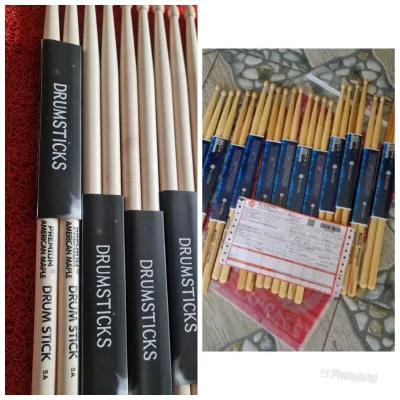
For beginners in the Philippines, finding high-quality drumsticks that fit a tight budget is a common challenge. Hun drumsticks have emerged as a popular option in the local market, offering an appealing balance of affordability and reliable construction. When evaluating Hun drumsticks or any other budget-friendly brand, it is important to look past the price tag and inspect the physical build quality. A reliable pair of beginner sticks should be perfectly straight, have a consistent grain pattern running parallel to the length of the stick, and feel balanced when held together. Checking these specifications ensures you do not end up with a warped pair that hinders your technique development.
Another key aspect to consider is the grip finish and weight matching of the sticks. Many budget drumsticks feature a heavy lacquer coating, which can look appealing but often becomes incredibly slippery when your hands start to sweat in the warm, humid climate of the Philippines. Some manufacturers, including Hun, offer options with natural, lightly sanded finishes or specialized grip coatings that provide better traction. Furthermore, premium brands match their sticks by weight and pitch during manufacturing, ensuring both sticks in a pair feel and sound identical. While budget-friendly options may have slight variations between the left and right stick, you should try to find a pair that feels as closely matched in weight as possible to avoid developing an uneven playing technique.
When setting your budget, expect to find entry-level drumsticks priced between ₱150 and ₱350, while premium imported brands typically cost between ₱600 and ₱1,200 per pair. For an absolute beginner, spending a fortune on premium sticks is rarely necessary, as you are likely to break or wear them down quickly while learning proper striking angles. However, extremely cheap, unbranded sticks under ₱100 are often made of low-quality wood that warps easily or splinters within a few hours of use. Investing in a reputable budget brand like Hun provides a reliable middle ground, giving you the durability of proper hickory or maple without a high financial barrier.
Where to Buy and Pre-Purchase Checks in the Philippines
To ensure you are purchasing authentic drumsticks with consistent quality, it is best to buy from authorized local music stores located in major commercial centers across the Philippines. Visiting a physical store allows you to hold the sticks, feel their weight, and perform essential quality checks before spending your money. While online marketplaces and e-commerce platforms offer convenience and a wider selection, buying wood products online carries the risk of receiving warped or improperly stored items, as high humidity and temperature fluctuations during shipping can affect the wood’s structural integrity.
If you do buy in person, there are three simple physical inspection steps you should perform. First, conduct the roll test: place the drumstick on a completely flat counter or glass surface and roll it with your hand. If the tip of the stick wobbles or lifts off the surface as it rolls, the stick is warped and should be avoided. Second, check the grain direction by looking at the side of the stick; the wood grain should run straight from the butt end all the way to the tip. If the grain runs diagonally across the stick (known as grain run-out), the stick is structurally weak and will likely snap quickly. Finally, tap both sticks gently on a hard surface to check for pitch matching; a well-matched pair will produce a similar tone, indicating they have a similar density and moisture content.
Lastly, always inquire about the store’s return and exchange policies before finalizing your purchase. Because drumsticks are considered consumable items, music shops do not offer warranties against normal wear and tear or breakage caused by playing. However, reputable local retailers will usually allow you to exchange a pair immediately if you discover a manufacturing defect, such as a pre-existing crack or severe warping, right after opening the packaging. Understanding these terms helps protect your investment and ensures you start your drumming journey with a reliable, high-quality tool.
Frequently Asked Questions (FAQ)
How often should a beginner replace their drumsticks?
A beginner should replace their drumsticks as soon as they show signs of structural failure, such as deep cracks, severe splintering along the shoulder, or a chipped tip. While a stick may not be completely broken in half, playing with a heavily splintered stick reduces its structural integrity, alters its balance, and ruins the rebound response. Furthermore, continuing to use damaged sticks with sharp, splintered edges can easily puncture or tear your drum heads and dent your cymbals, leading to much more expensive repairs. Depending on how often you practice and how heavily you strike, a single pair of quality hickory sticks can last anywhere from a few weeks to several months for a beginner focusing on proper technique.
Does the type of drumstick affect cymbal wear?
Yes, the weight, material, and tip of your drumstick directly impact the lifespan of your cymbals. Heavier sticks, such as 5B or 2B sizes, transfer significantly more kinetic energy to the metal upon impact, which increases the risk of cracking or warping cymbals, especially if your striking technique is rigid or incorrect. Additionally, nylon tips produce a much harder contact point than wood tips, which can accelerate surface wear on softer cymbal alloys if you strike them directly on the edge rather than using a glancing blow. To protect your cymbals, beginners should practice striking cymbals with a sweeping, glancing motion rather than hitting them straight down, and match their stick weight to the thickness and volume limits of their gear.

Community discussion
Share your experience or ask a question. Comments are reviewed before publication.