
Building automated income channels is a powerful way for young professionals to secure their financial future and decouple their earnings from their daily labor. While the internet is filled with short-form advice and get-rich-quick promises, books offer the structured, deep-dive frameworks necessary to understand how sustainable systems are built. However, because the majority of popular financial literature is written for Western audiences, success requires learning how to evaluate these resources and adapt their strategies to the local economic landscape.
How to Evaluate Passive Income Books for the Philippine Context
To make the most of your reading, you must establish strict criteria for selecting books that offer realistic, actionable advice. Many popular titles focus on universal financial principles, such as cash flow, leverage, and compound interest. These core concepts remain true regardless of geography. However, books that dive into highly specific tactical advice—such as tax-lien investing, region-locked digital platforms, or specific foreign real estate structures—often do not translate to the local market.
When evaluating a book on building automated channels, start by researching the author’s professional background. Look for authors who have successfully built and sustained the business models they write about, rather than those whose primary source of income is selling educational courses or motivational seminars. Check the publication date as well; while mindset books are timeless, technical guides on digital business models can become obsolete within a few years due to rapid changes in technology, search engine algorithms, and platform policies.
Products mentioned in this guide
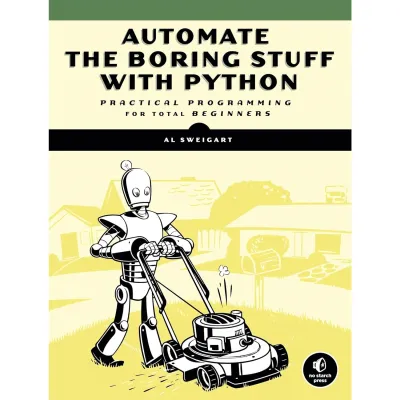
Prices are valid at publication and may change. Please refer to the product page for the latest price.
Be vigilant about red flags in financial literature. Avoid books that promise effortless wealth with zero risk or immediate returns. Any legitimate automated income channel requires a significant upfront investment of either time or capital. Furthermore, watch out for strategies that rely on software, payment processors, or advertising networks that do not fully support accounts based in the Philippines, as complex workarounds can quickly erode your profit margins.
Core Categories of Automated Income Books for Beginners
To navigate the vast landscape of financial literature, it helps to categorize books based on their primary focus. This allows you to match your reading list with your current resources, technical skills, and financial goals. Generally, books on automated income fall into three distinct categories: foundational mindset, digital business creation, and traditional investing.

Mindset and Financial Foundations
Before you can successfully build an automated income channel, you must develop the psychological framework to manage and sustain it. Foundational books in this category focus on shifting your perspective from that of an employee trading hours for wages to that of an asset creator. They teach you to clearly distinguish between assets, which put money into your pocket, and liabilities, which take money out.
A critical lesson from these foundational texts is the order of operations in personal finance. You cannot safely build automated channels if your financial foundation is unstable. These books emphasize that establishing a robust emergency fund and clearing high-interest consumer debt must happen before you allocate resources to speculative or long-term automated ventures. This financial buffer ensures that if your initial business attempts fail, your personal livelihood remains secure.
It is important to manage expectations when reading these titles. They are designed to build discipline, risk tolerance, and long-term vision. They will not provide you with a technical blueprint or tell you which local platforms to use. Instead, they provide the mental stamina required to work for weeks or months without immediate financial reward, which is a common reality when starting any automated venture.
Digital and Online Business Models
For young beginners with limited starting capital, books focusing on digital business models offer a highly accessible entry point. These guides explain how to leverage the internet to create digital assets, establish affiliate marketing systems, or set up automated online storefronts. The core concept is to build a digital system once that can be replicated and sold infinitely with minimal ongoing maintenance.
When reading these guides, you must constantly verify the local compatibility of the recommended tools. Many international authors assume access to specific payment gateways, hosting services, or shipping networks that may not operate smoothly in the local market. Before committing to a model, check if local payment processors can integrate with the suggested platforms and what transaction fees apply when converting foreign earnings into local currency.
Additionally, these books highlight the reality of “sweat equity.” Automated digital channels are rarely passive at the start. They require intense initial effort in content creation, search engine optimization, or product development. The automation phase only occurs after you have built a reliable system, established traffic, and integrated automated delivery and payment systems.
Investing and Dividend Strategies
If you already have some savings, books on investing and dividend strategies show you how to make your money work for you. This category of literature focuses on compound interest, index funds, and dividend-paying assets like Real Estate Investment Trusts (REITs). The goal is to build a portfolio that regularly distributes cash flow without requiring you to manage a business.
While the mathematical principles of compounding are universal, the specific investment vehicles discussed in international books require careful translation. For instance, when a book discusses low-cost index funds or specific exchange-traded funds, you must research how to access similar diversified funds through local brokerages or banking institutions. You must also consider local market regulations, withholding taxes on foreign dividends, and the liquidity of local financial instruments.
Unlike digital business models, which can be started with minimal funds, dividend and investing strategies require significant capital to generate meaningful automated income. Books in this category are highly valuable for teaching you how to preserve and grow wealth, but beginners must understand that the income generated is directly proportional to the amount of money they can afford to invest and leave untouched for years.
Adapting Global Book Strategies to the Local Economy
Translating global financial concepts into the local economic landscape is where many beginners struggle. To bridge this gap, you must actively map international terms to their local equivalents. For example, when Western books discuss tax-advantaged retirement accounts like a 401(k) or an Individual Retirement Account (IRA), you should look into the Personal Equity and Retirement Account (PERA) offered by local financial institutions. Similarly, instead of general high-yield savings accounts that may not be accessible, look into local government-backed savings programs like the Pag-IBIG MP2, which offers competitive, tax-free dividend rates.
You must also adjust your expectations regarding infrastructure and operational costs. International authors often write from environments with seamless, low-cost cross-border transactions and high-speed internet access. In the local context, you must account for potential transaction fees, currency conversion rates, and the reliability of local digital infrastructure. These factors can affect the pricing of your digital products or the margins of your online storefront.
Finally, never overlook the regulatory and tax implications of your automated income channels. Whether you are earning dividends from local stocks, receiving affiliate commissions from global networks, or running an online store, you are responsible for complying with local tax laws. Consult official government resources or local tax professionals to understand how to register your venture, file your taxes, and declare foreign-sourced income. Doing so early prevents costly penalties and ensures your automated channel operates on a legal, sustainable foundation.
Building Your First Automated Channel: A Reading and Action Plan
Transitioning from reading to execution is the most critical step in your financial journey. To avoid getting stuck in a cycle of endless reading without action, you need a structured plan to implement what you learn.
- Step 1: Conduct a personal audit. Before choosing a business model, evaluate your current situation. Write down your available weekly hours, your technical skills, and your starting capital in ₱. If you have high-interest debt and zero capital, your immediate focus should be on mindset books and building active income. If you have time but little money, a digital content or affiliate model is more suitable. If you have capital but no time, dividend investing may be the better path.
- Step 2: Select your reading material. Choose exactly one foundational book to build your financial mindset and one practical, technical guide that aligns with the results of your personal audit. Read them with a notebook in hand, writing down specific action steps rather than passive summaries.
- Step 3: Establish a 90-day implementation timeline. Break down your chosen model into weekly milestones. For example, if you are building a digital product, dedicate the first month to research and creation, the second to setting up the automated delivery system, and the third to driving traffic. Set clear conditions to stop and pivot if you encounter insurmountable regulatory barriers, high transaction fees, or if the model proves incompatible with your risk tolerance. This structured approach keeps you accountable and ensures your reading directly feeds into real-world progress.
Frequently Asked Questions (FAQ)
Are there specific books written by Filipino authors on this topic?
Yes, there are several books written by local financial planners, entrepreneurs, and educators that focus specifically on the local market. Reading local authors is highly beneficial because they address the exact economic conditions, banking systems, and cultural attitudes toward money that you will encounter. When evaluating local books, check the author’s credentials and professional history. Ensure they have a verifiable track record in financial planning, business, or investing. Be cautious of books that serve primarily as marketing brochures to upsell you on expensive seminars, masterclasses, or unverified investment schemes. Look for verified literature in reputable local online bookstores, university presses, or through established local financial literacy organizations.
How much capital do I need to start applying these book strategies?
The capital required depends entirely on the automated income model you choose to build. Digital and content-based models require very little starting capital—often just enough to cover basic web hosting, a domain name, or standard software tools. Your primary investment here is your time and effort. In contrast, investing and dividend strategies require actual capital to generate noticeable returns. You can calculate your minimum viable investment by looking at local platform requirements; many local mutual funds, unit investment trust funds (UITFs), or online stock brokerages allow you to open an account with as little as ₱1,000 or ₱5,000. However, you must never borrow money or use high-interest credit to fund these investments. Always establish a stable active income and a fully funded emergency reserve before putting money into any automated income channel.

Community discussion
Share your experience or ask a question. Comments are reviewed before publication.