
Starting out on the drums requires developing muscle memory, wrist flexibility, and a clean sense of rhythm. For beginners in the Philippines, choosing the right pair of drumsticks is the first critical decision on this musical journey. The 7A drumstick size stands out as the most practical starting point for new players. Its lightweight profile and thinner diameter allow you to focus on proper grip and stroke mechanics without fighting the physical weight of the stick. By understanding what to look for in terms of wood type, tip shape, and authenticity, you can secure a reliable pair of sticks that will support your daily practice sessions and help you build a solid technical foundation.
Why the 7A Size Is Ideal for New Drummers
A standard 7A drumstick typically measures around 0.540 inches in diameter and 15 to 16 inches in length. This is noticeably thinner and lighter than the standard 5A, which is the common middle-ground stick, and much lighter than the heavy 2B sticks used for high-volume playing. For a beginner, these fractions of an inch make a massive difference in how the stick sits in the hand, especially for younger players or those with smaller hands.
When you first sit behind a drum kit or a practice pad, your forearm and wrist muscles are not yet conditioned for the repetitive, rapid motions of drumming. Heavy sticks can quickly cause muscle fatigue, leading to tension, poor form, or even repetitive strain injuries. The lighter build of a 7A stick allows you to practice for longer periods with minimal strain. It also makes it easier to feel the natural rebound of the drumhead, which is essential for learning how to let the stick do the work rather than forcing every stroke with brute strength.
Products mentioned in this guide

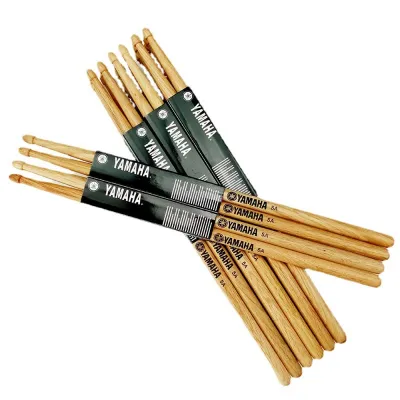
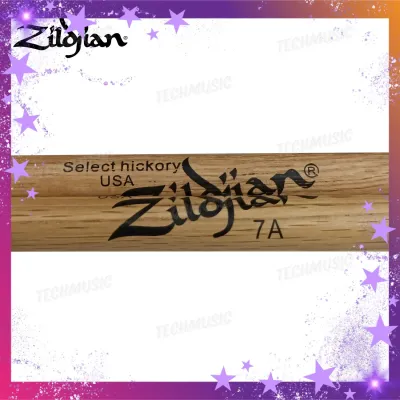
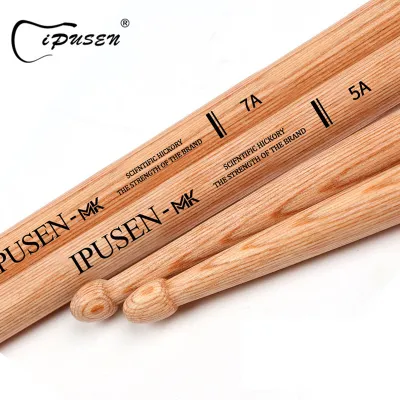
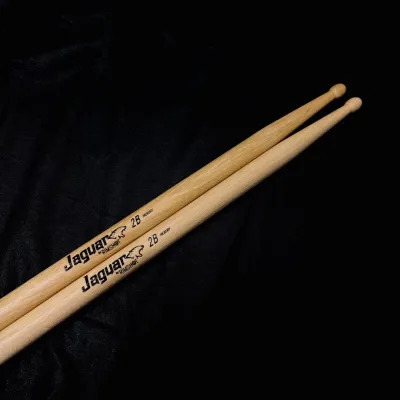
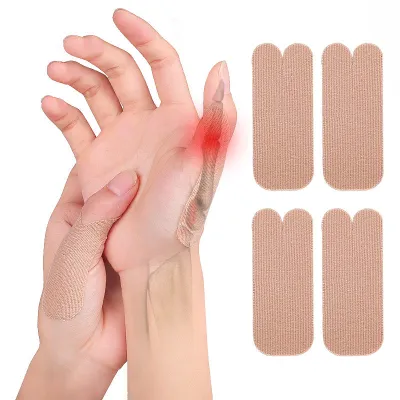
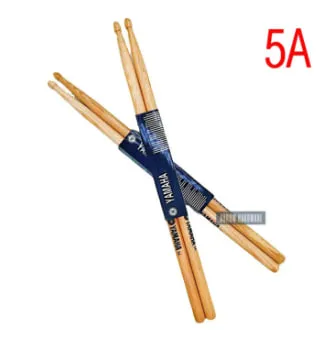
Prices are valid at publication and may change. Please refer to the product page for the latest price.
While 7A sticks are highly favored by jazz players for their delicate cymbal articulation, they are also incredibly versatile for acoustic sets, light rock, pop, and church worship settings. If you are practicing in a residential neighborhood or a small room where volume control is necessary, 7A sticks naturally produce a lower volume. This helps you keep your practice sessions neighbor-friendly while still allowing you to practice with full physical dynamics.
Key Specifications to Check on the Product Label
When browsing for drumsticks, you will find several wood types, each offering distinct characteristics in terms of shock absorption, weight, and overall durability. Hickory is the industry standard for a reason, offering an excellent balance of strength, weight, and shock absorption. When you strike a drum or cymbal, the vibration travels up the stick; hickory absorbs this impact well, protecting your wrists from harsh vibrations. Maple is significantly lighter than hickory, making a maple 7A stick feel almost weightless, which is fantastic for fast, nimble playing, though it is softer and more prone to denting. Oak is dense, heavy, and highly durable, but it transmits more shock to your hands, which might feel uncomfortable during long practice sessions.

In the Philippines, the high relative humidity can affect wood. Unfinished or poorly sealed wood can absorb moisture from the air, causing the sticks to become slightly heavier or lose their crisp rebound. Look for sticks with a high-quality lacquer or active grip coating that seals the wood against environmental moisture.
Tip shapes also play a major role in your sound. Acorn tips have a larger surface area when tilted, producing a rich, dark, and full-bodied tone on both drums and cymbals. Barrel tips offer a broader, punchier sound with a clear, defined contact point, making them excellent for consistent practice pad work. Oval tips provide a balanced, versatile sound that adapts well to various playing styles.
Beyond shape, you must choose between wood and nylon tips. Wood tips deliver a warm, natural, and traditional acoustic sound, but they can chip or split over time, especially when playing cymbals. Nylon tips are virtually indestructible and produce a very bright, cutting, and consistent sound on cymbals. For beginners who want their first pair of sticks to last as long as possible without the tip chipping, nylon is a highly practical choice.
The taper is the sloping section of the stick that thins out toward the tip. A long taper shifts the balance point toward the butt end, making the stick feel lighter and more responsive with a faster rebound. A short taper keeps more weight near the front, providing more power and forward momentum with each stroke. For beginners, a medium-to-long taper is generally preferred to help develop speed and control.
How to Spot Fakes and Verify Authenticity
Counterfeiting is a common issue in online marketplaces. Buying counterfeit drumsticks might seem like a budget-friendly shortcut, but fake sticks are often made from low-grade, poorly dried wood that breaks easily, splinters dangerously, or arrives pre-warped.
Genuine drumsticks from reputable manufacturers feature crisp, high-quality logo printing on the shaft. The ink should not smudge easily, and the font should match the official brand styling exactly. Look for consistent batch numbers, barcodes, and clean packaging sleeves. If the logo looks blurry, off-center, or easily scrapes off with a fingernail, the sticks are likely counterfeit.
Wood is a natural material that can warp due to improper storage, temperature fluctuations, or manufacturing defects. Before you buy a pair of sticks in a store, or immediately upon receiving an online delivery, perform the roll test. Place the sticks on a completely flat surface, such as a glass counter or a smooth table, and roll them with your hand. If the tip wobbles or lifts off the surface as the stick rolls, the stick is warped. Warped sticks do not rebound straight, which can ruin your hand technique and make practicing frustrating.
When shopping on ecommerce platforms, look for official brand stores, authorized distributor badges, or highly rated local music shops. Avoid listings with generic titles, unusually low prices, or sellers with poor feedback regarding product authenticity. If a deal seems too good to be true, it is highly likely you are looking at a counterfeit product.
Where to Buy: Local Music Stores vs. E-Commerce Platforms
Visiting a physical music store in the Philippines offers the irreplaceable advantage of tactile inspection. You can hold different pairs of 7A sticks, feel their weight distribution, and perform the roll test right at the counter. Many local music stores also have practice pads available, allowing you to play a few strokes to see how the sticks feel in your hands before making a purchase. This hands-on experience is highly recommended for absolute beginners who do not yet know what weight or wood type they prefer.
Online shopping offers convenience and access to a wider variety of brands and models, especially if you live outside major metropolitan areas. When buying online, always check the seller’s return and replacement policies. Ensure they offer a clear return window for defective or warped wooden items. Read customer reviews specifically looking for mentions of shipping damage or warped wood, as improper packaging during transit can ruin a good pair of sticks.
As a beginner, you might be tempted to buy a single pair of premium sticks to start. However, drumsticks are consumable items that will eventually wear out or break. A single pair of budget-friendly, authentic sticks might cost around ₱200 to ₱400, while premium hickory pairs can range from ₱600 to ₱900. Buying a “brick” of budget-friendly, authentic sticks can be much more cost-effective in the long run. It ensures you always have a spare pair ready during a practice session, saving you from having to wait for a new delivery or make an emergency trip to the store.
Frequently Asked Questions (FAQ)
How Long Will a Pair of 7A Drumsticks Last?
The lifespan of a pair of 7A drumsticks depends heavily on your playing habits, technique, and setup. Because 7A sticks are thinner, they are more susceptible to wear than heavier models. If you grip the sticks too tightly, you prevent the stick from vibrating naturally, which concentrates the impact force and causes the wood to crack sooner. Your striking angle also matters; hitting the sharp edges of cymbals or consistently playing heavy rimshots on the snare drum will quickly chew through the wood.
You should replace your drumsticks when you notice deep splinters along the shoulder, visible cracks running down the shaft, or if the stick feels soft when striking a surface. Playing with cracked or heavily splintered sticks can damage your drumheads, chip your cymbals, and pose a safety hazard if a piece of wood flies off during a stroke.
When Should You Upgrade to 5A Drumsticks?
You should consider upgrading to 5A drumsticks when your playing style evolves or when you find yourself needing more volume and power. If you transition from light acoustic practice to playing in a full band with electric guitars and a loud bass, you may find that 7A sticks do not provide enough projection or presence. Additionally, if you start playing heavier genres like hard rock, metal, or punk, 7A sticks may break too frequently under the increased physical demand.
Before buying a bulk pack of 5A sticks, visit a local music store and test a pair on a practice pad. Pay attention to how the added weight affects your wrist fatigue and speed. Transitioning to a heavier stick requires a slight adjustment in your technique, so it is best to make the switch gradually.

Community discussion
Share your experience or ask a question. Comments are reviewed before publication.