
Starting your investment journey in the Philippines can feel overwhelming, especially when you are confronted with complex financial jargon and conflicting advice online. For young Filipino beginners, a well-chosen stock market book serves as a vital roadmap, bridging the gap between abstract global investment concepts and the practical realities of the local market. The ideal reading list combines localized guides that explain the rules of the Philippine Stock Exchange (PSE) with timeless global classics on investment psychology and long-term compounding.
By focusing on books that match your current knowledge level and financial situation, you can build a strong foundation without risking your hard-earned capital. The goal is to develop a disciplined, long-term approach to wealth creation that fits your personal lifestyle and budget. With the right educational resources, you can confidently navigate market fluctuations and make informed decisions that align with your future financial goals.
What to Look for in a Stock Market Book for Young Filipinos
Local Relevance
Products mentioned in this guide
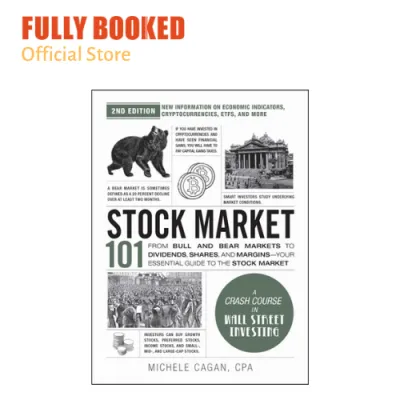

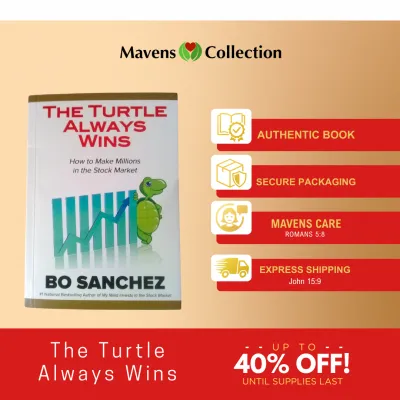
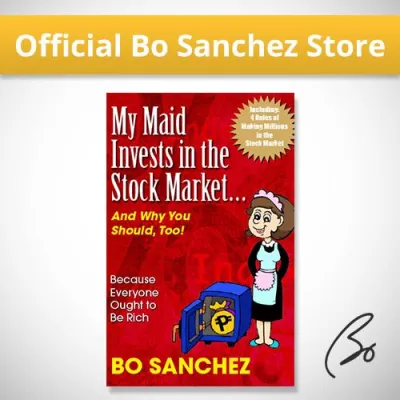
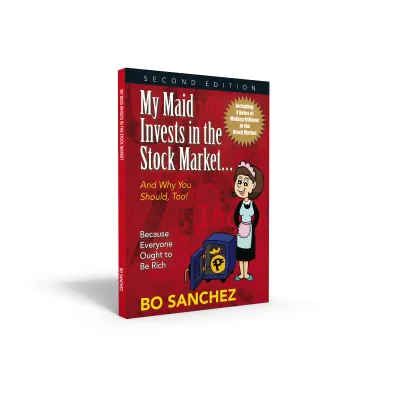
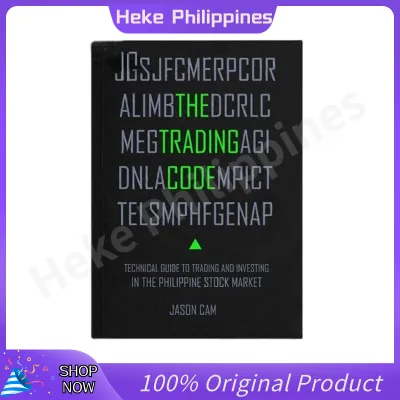
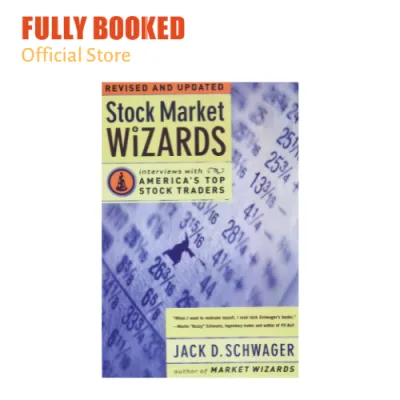
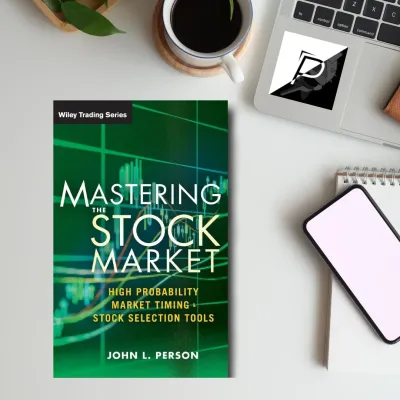
Prices are valid at publication and may change. Please refer to the product page for the latest price.
The Philippine financial landscape has unique structural characteristics that international personal finance books simply cannot address. For instance, trading on the PSE involves specific transaction costs, such as the stock transaction tax (currently 0.6% of the gross selling price), broker commission fees, and clearing fees. A high-quality book for a local beginner must clarify these friction costs and explain how dividends are taxed, which typically involves a 10% final withholding tax for resident citizens. Furthermore, understanding how to open, fund, and navigate an account with local online brokers (such as COL Financial, BPI Trade, First Metro Securities, or digital-wallet-integrated platforms) is a practical step that requires localized instructions.
Beginner Accessibility
Many advanced finance textbooks dive immediately into complex derivatives, options trading, or quantitative algorithmic models. For a young beginner, these concepts are not only confusing but can also lead to high-risk speculative behavior that results in rapid losses. High-quality introductory books focus instead on the core mechanics of common equities. They explain what a share of stock actually represents, how a company’s earnings drive its stock price over time, and how to read basic financial statements without needing an accounting degree. Look for authors who use clear, conversational language and avoid burying essential lessons under mountains of academic jargon.
Youth-Oriented Financial Goals
Young investors in the Philippines—whether university students, fresh graduates, or young professionals—often start their journeys with limited capital. Many may have irregular income streams from freelance gigs, side hustles, or entry-level salaries. The best educational resources address this reality by emphasizing the power of compound interest over a long time horizon rather than promising overnight riches. They teach practical strategies like peso cost averaging (PCA), which allows individuals to build wealth steadily by investing fixed, manageable amounts (such as ₱1,000 or ₱5,000 monthly) regardless of whether the market is up or down.
Core Categories of Stock Market Books to Build Your Foundation
Building a robust investment foundation requires a balanced reading diet. Relying solely on one type of book can leave you with significant blind spots. For example, reading only global investment theory might leave you confused about how to execute a basic trade in Manila, while reading only local technical analysis guides might cause you to ignore the psychological discipline required to survive a market downturn. To avoid these pitfalls, young investors should curate a reading list that spans three essential categories: localized market guides, global value and index classics, and behavioral finance resources.

Philippine Market Guides and Local Context
Books written by local financial practitioners, certified financial planners, or experienced Filipino retail investors are indispensable for understanding the domestic landscape. These resources walk you through the structural realities of the PSE, explaining the significance of the PSE Index (PSEi) and the characteristics of local blue-chip conglomerates. They translate abstract financial concepts into familiar terms, often using local business examples and cultural context to make the material highly relatable to daily life in the Philippines.
However, readers must approach local guides with an eye on the calendar. The regulatory and technological landscape in the Philippines can change. Amendments to tax laws, updates to trading rules, or the launch of new digital brokerage interfaces can render specific chapters of older books outdated. When reading local guides, always cross-reference the publication date and verify whether the specific procedures, tax rates, or platform features mentioned are still accurate under current Bureau of Internal Revenue (BIR) and Securities and Exchange Commission (SEC) guidelines.
Global Classics on Value and Index Investing
While local execution is vital, the core principles of successful investing are universal. Global classics—particularly those focusing on value investing and index-based long-term strategies—provide the intellectual framework that has guided the world’s most successful investors for decades. These texts teach the concept of the “margin of safety,” which involves buying an asset for significantly less than its intrinsic value to minimize downside risk. They also introduce the concept of passive indexing, demonstrating why broad-market exposure often outperforms active stock picking over the long run.
To apply these international concepts to the Philippine market, you must learn to translate foreign financial instruments into their local equivalents. For example, when a classic American book recommends low-cost S&P 500 index funds, a Filipino investor can look for local alternatives. These include PSEi-tracking Unit Investment Trust Funds (UITFs) offered by major Philippine banks, local Mutual Funds managed by investment houses, or Exchange-Traded Funds (ETFs) listed on the PSE. Additionally, many local financial institutions now offer global feeder funds, allowing you to invest in international markets using Philippine Pesos (PHP).
Behavioral Finance and Investment Mindset
The technical mechanics of buying a stock are relatively easy to learn, but managing your emotions during a market crash is incredibly difficult. This is where behavioral finance books become invaluable. These books explore the psychological traps that investors fall into, such as herd mentality (buying a stock simply because everyone else is talking about it) and loss aversion (the tendency to panic-sell at a loss to avoid further pain, even if the company’s long-term prospects remain strong).
For young Filipino investors, this psychological grounding is more critical than ever. In the age of social media, online forums, and instant messaging groups, speculative hype can spread rapidly. Whether it is the sudden rise of a speculative “hype stock” on the PSE or the volatile swings of digital assets, young people are constantly bombarded with promises of quick riches. Behavioral finance books teach you to block out this noise, develop emotional discipline, and stick to a rational, long-term investment plan even when market volatility triggers widespread panic.
How to Evaluate and Compare Your Reading List
With hundreds of personal finance and investing books available, you must be selective about where you invest your time and money. Evaluating a book before reading it ensures that you do not waste hours on outdated advice or overly complex strategies that do not align with your current skill level.
Publication Date and Timeliness
When assessing a book, first categorize it to determine how much its publication date matters. For books focusing on investment psychology, behavioral finance, or the broad philosophy of value investing, the publication year is rarely a dealbreaker; human psychology and the core principles of business valuation do not change. However, for books that serve as practical guides to the Philippine stock market, a recent publication date is critical. A local guide published over a decade ago might reference obsolete tax rates, defunct trading platforms, or economic conditions that no longer apply to the modern PSE.
Author Credentials
It is equally important to examine who wrote the book. Authors generally fall into three categories: academic theorists, licensed financial professionals (such as brokers or fund managers), and experienced retail investors. Academic books are excellent for deep conceptual understanding but can be dry and impractical. Licensed professionals offer highly accurate, compliant, and structured advice, though their writing can sometimes be dense with industry terminology. Retail investors often write the most engaging and accessible books, sharing practical lessons from their personal journeys, but readers must verify that their strategies are grounded in sound financial principles rather than luck during a temporary bull market.
Comparison Matrix Planning
To help you organize and evaluate your potential reading list, you can create a simple comparison matrix. This structured approach allows you to balance your collection, ensuring you have a healthy mix of local execution guides, global strategic theories, and psychological resources. Below is a framework you can use to map out your choices:
| Book Category | Primary Focus | Best For | Key Limitation |
|---|---|---|---|
| Philippine Market Guides | PSE mechanics, local taxes, domestic online broker setup, and local corporate case studies. | Understanding the practical steps to open an account and buy stocks in the Philippines. | Technical details, platform interfaces, and tax regulations can become outdated quickly. |
| Global Value Investing | Intrinsic value calculations, margin of safety, and analyzing corporate financial health. | Developing a disciplined framework to evaluate whether a stock is priced fairly. | Examples are typically based on US or European companies, requiring local translation. |
| Passive Indexing Classics | Broad-market index funds, minimizing fees, and long-term asset allocation. | Investors seeking a low-maintenance, hands-off strategy to build long-term wealth. | Often assumes access to highly liquid, ultra-low-cost international index products. |
| Behavioral Finance | Cognitive biases, emotional discipline, market cycles, and overcoming investment FOMO. | Building the mental resilience needed to stay invested during market downturns. | Does not provide practical instructions on how to analyze financial statements or buy stocks. |
What to Verify Before Buying or Downloading a Book
Before you finalize your purchase or download a digital copy, taking a few moments to verify the book’s specifications can save you from frustration, compatibility issues, or incomplete information.
Edition and Language
Always check the specific edition of the book you are purchasing. Publishers frequently release updated editions of popular finance books to incorporate recent market events, regulatory changes, or updated statistics. Never infer the edition’s actual contents or completeness solely from a redesigned cover or a catchy title. For local Philippine guides, ensure you are buying the version that reflects recent tax adjustments or modernized trading procedures. Additionally, consider the language of the text. While most financial literature in the Philippines is written in English, some local authors write in Taglish or conversational Filipino. Choose the style that allows you to absorb complex financial concepts most comfortably.
Format and Device Compatibility
Decide whether a physical book, an e-book, or an audiobook best fits your lifestyle and study habits. Physical books are ideal for studying complex charts, tables, and financial formulas, as you can easily flip back and forth or write notes in the margins. If you prefer e-books (such as EPUB or PDF formats) for reading on your smartphone, tablet, or e-reader, verify the file’s compatibility with your specific device. Be aware that some e-books are protected by Digital Rights Management (DRM) and may require proprietary apps, while others are DRM-free. If you choose audiobooks for your daily commute, verify that the package includes a downloadable PDF supplement containing any essential visual charts or tables mentioned in the audio.
Content Completeness and Authorized Sources
The internet is flooded with free, unauthorized PDF downloads of popular personal finance books. While these may seem tempting for budget-conscious young beginners, they carry significant risks. Pirated files are frequently outdated editions, poorly scanned, or missing crucial pages, appendices, and visual charts that are vital for understanding the material. Furthermore, downloading files from unverified websites exposes your devices to malware and security threats.
To ensure you receive complete, accurate, and safe content, always obtain your books from authorized sources. Purchase physical copies from reputable local brick-and-mortar bookstores (such as Fully Booked or National Book Store) or their official online storefronts. For digital versions, use established, secure e-book platforms or purchase directly from the author’s or publisher’s official website. Supporting authors also ensures they can continue producing high-quality educational content for the local investing community.
Frequently Asked Questions (FAQ)
Are international stock market books useful for investing in the Philippines?
Yes, international stock market books are incredibly useful, but they must be read with the proper context. The core principles of investing—such as understanding that a stock represents fractional ownership of a real business, calculating intrinsic value, and managing emotional discipline—are universal and apply perfectly to the Philippine Stock Exchange.
However, the specific vehicles and regulatory accounts discussed in foreign books (such as US 401(k) plans, Roth IRAs, or specific US-based index funds) do not exist in the Philippines. As a young Filipino investor, you should use international books to master the underlying theories of value and compounding, while relying on local books or official regulatory resources to understand the practical execution, tax implications, and brokerage rules unique to the Philippine market.
Should I read books on technical analysis or fundamental analysis first?
For young beginners, it is highly recommended to start with fundamental analysis and investment mindset books before exploring technical analysis. Fundamental analysis teaches you how to evaluate the actual business behind the stock, focusing on revenue, profit, debt, and competitive advantages. This builds a strong foundation of investing as long-term business ownership, which is the safest path to wealth generation.
Technical analysis, which focuses on reading price charts and market trends to time short-term trades, requires constant monitoring and carries a much higher risk of capital loss. Mastering the fundamentals first ensures you understand what makes a company valuable, protecting you from speculative bubbles and high-risk trading habits when you are just starting out.

Community discussion
Share your experience or ask a question. Comments are reviewed before publication.