
Choosing a motivational book that truly inspires change requires looking beyond global bestseller lists. For readers in the Philippines, personal development is rarely a solitary journey. The most impactful books are those that acknowledge your daily reality, from the warmth of close-knit family structures to the practical challenges of navigating busy urban centers and tropical climates. A book that assumes you have unlimited solo time in a quiet suburban home may not offer realistic advice if you share a bustling household or spend hours commuting every day.
To find a book that genuinely helps you grow, you need a framework that filters advice through your own cultural, financial, and practical circumstances. This guide will help you identify books that respect your values, target your specific life stage, and ensure you receive authentic, high-quality editions that will last on your shelf.
How to Identify Books That Align With Local Cultural Values
Many popular self-help books originate from Western countries, where personal success is often measured by individual achievement, independence, and self-reliance. While these concepts can be highly empowering, they sometimes clash with the deeply communal values shared by many Filipino readers. When evaluating a motivational book, it is helpful to consider whether the author’s advice can coexist with your social and familial responsibilities.
Products mentioned in this guide

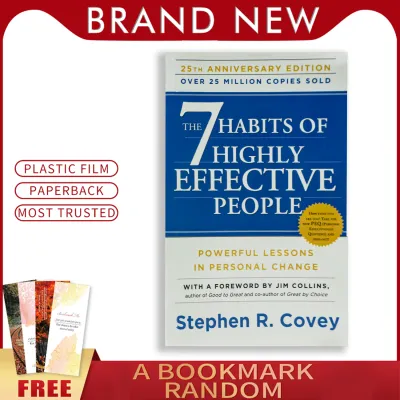
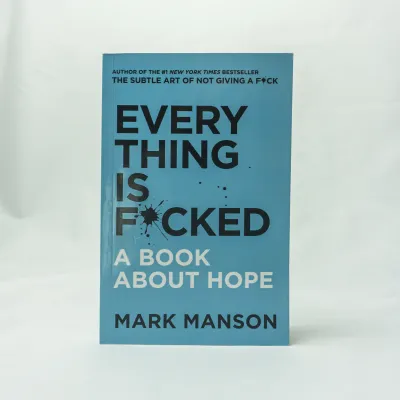
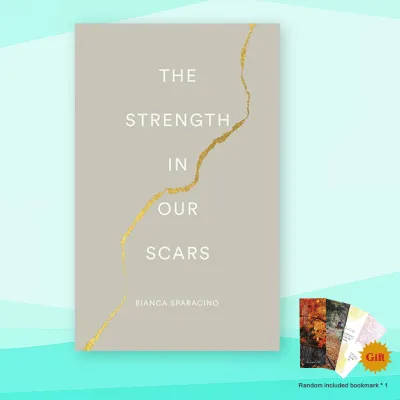
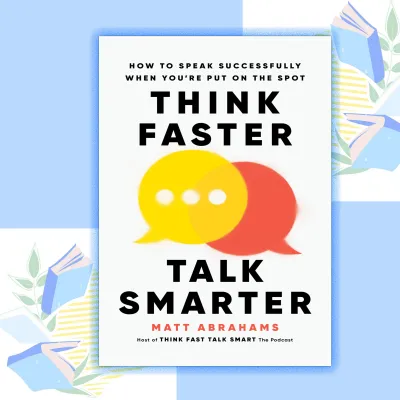
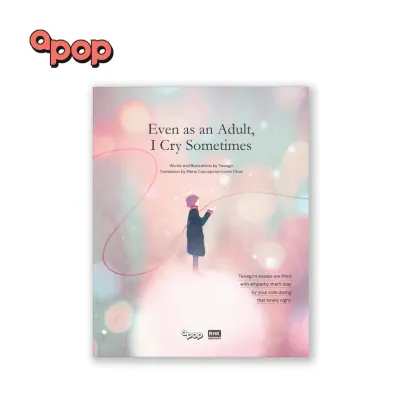
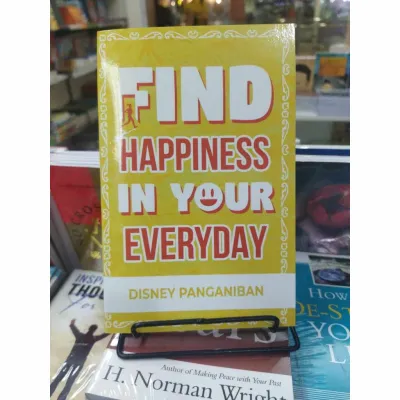
Prices are valid at publication and may change. Please refer to the product page for the latest price.
Look for themes that address collective resilience and mutual support. In the Philippines, personal progress is often deeply tied to the progress of one’s family and community. A book that advocates for cutting off anyone who does not actively contribute to your personal goals might be impractical or culturally isolating. Instead, seek out authors who discuss how to build healthy boundaries while maintaining strong, respectful relationships with those around you.
Consider how well the book addresses unique local challenges, such as the realities of long-distance family structures. With millions of families supported by members working overseas, motivational advice that speaks to maintaining emotional connections across distances, managing long-distance family dynamics, and handling the unique pressures of being a primary provider can be incredibly valuable. Books that touch on these dynamics offer much more practical guidance than those focusing solely on corporate ladder-climbing in a single location.
To gauge whether a book’s message will resonate with your daily life, look for feedback from local reading communities. Online book clubs, local social media groups, and reviews on regional e-commerce platforms can provide excellent insights. Pay attention to whether other local readers found the advice adaptable to their lives or if they felt the concepts were too detached from the economic and social realities of the country.
Core Themes to Explore for Personal Development
To make the most of your reading time, it helps to target specific themes that match your current life stage and personal goals. Use these thematic categories as a condition-based checklist to find the right type of guidance for your needs.

Career Resilience and Financial Literacy
Navigating professional growth and financial security requires advice that fits your economic environment. Standard financial tips, such as saving a fixed percentage of your income for long-term investments, often need adjustment when you are managing multi-generational financial responsibilities. Many readers find themselves supporting parents or siblings while trying to build their own savings, a reality that requires highly nuanced financial strategies.
Look for books that focus on practical budgeting under tight margins, managing debt, and exploring local micro-entrepreneurship or side hustles. The ideal financial guide should offer actionable steps for building an emergency fund and investing within the local market, while also addressing how to handle requests for financial assistance from family members in a compassionate yet sustainable way.
Family Dynamics and Interpersonal Relationships
In a culture that highly values family unity and respect for elders, pursuing personal ambitions that deviate from traditional expectations can sometimes cause tension. Finding books that offer guidance on navigating these delicate interpersonal dynamics is crucial for long-term peace of mind.
Seek out titles that provide communication frameworks for expressing your personal goals and career choices to your family without causing unnecessary conflict. The best resources in this category do not encourage rebellion for its own sake; instead, they teach you how to establish healthy personal boundaries, protect your study or rest time, and build mutual respect within a close-knit household.
Mental Well-being and Inner Peace
Managing daily stressors—such as long commutes in heavy traffic, demanding work schedules, and the physical fatigue of a tropical climate—requires practical tools for emotional and mental resilience. Books focusing on mental well-being should offer realistic, accessible coping mechanisms that you can easily integrate into a busy day.
Look for authors who incorporate mindfulness, stress reduction, or reflective practices that align with your personal values or faith. It is also important to choose books that treat mental health with sensitivity and clarity, emphasizing that self-help literature is a supportive tool for daily stress management and should never replace professional medical care or therapy when dealing with severe anxiety or clinical depression.
Essential Checks Before Purchasing: Editions, Formats, and Authenticity
Once you have identified the right themes, the next step is ensuring you purchase a high-quality, complete, and authorized copy of the book. With many editions and formats available, making a few quick checks before buying will save you time and money.
First, verify the language and translation quality if you are purchasing an international title that has been translated. Some translated editions may use phrasing that feels unnatural or fails to capture the author’s original tone. If possible, read a few sample pages online or check reader reviews specifically discussing the translation quality to ensure the text flows smoothly and remains easy to understand.
Second, check the publication date and edition number. This is particularly important for books covering financial literacy, career advice, or technology-driven productivity, where older statistics, case studies, and references may no longer be relevant to today’s market conditions. A newer edition ensures you are getting the most up-to-date strategies and data.
Third, choose a format that matches your lifestyle and reading environment:
- Paperback and Hardcover: These offer a classic, tactile reading experience. However, in a tropical climate with high humidity, physical books require careful storage to prevent mold, yellowing, and damage from pests. If you prefer physical copies, consider storing them in a dry, well-ventilated area or using sealed containers with silica gel packets.
- E-books: These are highly convenient for reading on the go, especially during long commutes on public transport. They do not take up physical space, are immune to humidity damage, and allow you to adjust text size for easier reading. Ensure your e-reader or smartphone is compatible with the file format before purchasing.
- Audiobooks: Excellent for multitasking, audiobooks allow you to listen to motivational content while commuting, exercising, or doing household chores. Verify that you have a compatible app and sufficient device storage before downloading.
Finally, always cross-reference the 13-digit ISBN (International Standard Book Number) and publisher details listed on the seller’s page with the official publisher’s database. This simple check helps ensure that the book you are buying is a complete, unabridged edition rather than a poorly summarized or unauthorized version.
How to Source Authentic Books in the Philippines
The rise of online shopping has made finding books easier than ever, but it has also increased the prevalence of counterfeit and pirated copies. To ensure you are supporting authors and receiving high-quality books, it is important to source your reading material from authorized channels.
Prioritize established local brick-and-mortar bookstores, their official online storefronts, and verified flagship stores on major e-commerce platforms. These sellers work directly with publishers and authorized distributors, guaranteeing that every copy is genuine, complete, and printed using safe, high-quality materials.
Be highly cautious of unusually low prices on general online marketplaces. If a popular, newly released paperback that typically retails for ₱500 to ₱800 is being offered for ₱80 to ₱150, it is almost certainly an unauthorized, pirated reprint. These counterfeit books are often printed on extremely thin, low-grade paper, feature blurry or misaligned text, and may even have missing chapters or pages. Furthermore, they are often bound using cheap, toxic glues that emit a strong, unpleasant chemical odor.
When your book is delivered, take a moment to inspect its physical quality before opening it. Check that the cover art is sharp and vibrant, the spine is straight and securely bound, and the pages are clean and evenly cut. Authentic books will have clear, legible printing with consistent margins, and the paper will feel sturdy. By performing these simple checks, you can build a high-quality personal library that will remain in excellent condition for years to come.
Frequently Asked Questions (FAQ)
Are translated motivational books as effective as the original English versions?
Translated motivational books can be highly effective, especially if you prefer absorbing complex emotional or psychological concepts in your native language. Reading in a familiar language can create a deeper emotional resonance and make the advice feel more personal and applicable to your daily life.
However, the effectiveness of a translation depends heavily on the skill of the translator. Some technical terms, idioms, or cultural references from the original English may not have direct equivalents, which can sometimes result in awkward phrasing or minor shifts in meaning. To ensure a translated edition is right for you, read a sample chapter or check online reviews to see if other readers praise the translation for maintaining the author’s original tone and clarity.
How can I tell if a physical book is a pirated copy?
You can identify a pirated book by checking several physical warning signs upon delivery. Counterfeit copies are typically produced as cheaply as possible, resulting in blurry or pixelated cover images, uneven margins, and text that is printed crookedly or runs too close to the spine. The paper used is often very thin, greyish, and rough to the touch, allowing the text from the reverse side to bleed through heavily.
Additionally, check the binding and the smell of the book. Pirated books often have weak, unevenly glued bindings that crack easily when opened, and they frequently emit a strong, harsh chemical smell from cheap inks and industrial adhesives. Finally, verify the copyright page; counterfeiters often omit or misprint publisher logos, barcodes, and official ISBN details.

Community discussion
Share your experience or ask a question. Comments are reviewed before publication.