
Building a collection of Original Pilipino Music (OPM) on physical compact discs is a rewarding journey through the rich sonic history of the Philippines. While digital streaming platforms offer instant access to vast music libraries, they cannot replicate the tactile satisfaction, cover art, and exclusive liner notes of a physical release. For dedicated music enthusiasts, acquiring limited and special edition OPM CDs is the ultimate way to preserve local music heritage while building a collection of lasting value. To prioritize your purchases and avoid costly mistakes, you must understand what makes a release truly collectible, how to verify its authenticity, and how to navigate the secondary market safely.
Prioritizing your collection requires a systematic approach. Not every CD with a “limited” label is genuinely scarce, and not every rare disc is in a condition worth collecting. By focusing on verifiable manufacturing details, physical packaging quality, and historical context, you can distinguish between common reissues and high-value collector’s items. This guide outlines the essential evaluation standards, verification steps, and preservation techniques that every OPM CD collector needs to master.
What Defines a Collectible OPM CD Release?
The collectibility of an OPM CD is driven by a combination of physical scarcity, packaging quality, and historical importance. Unlike mass-produced standard releases, special editions are designed to offer an enhanced sensory experience. Understanding these defining factors allows you to assess whether a specific release justifies a premium price on the secondary market or deserves a high-priority spot on your shelf.
Products mentioned in this guide



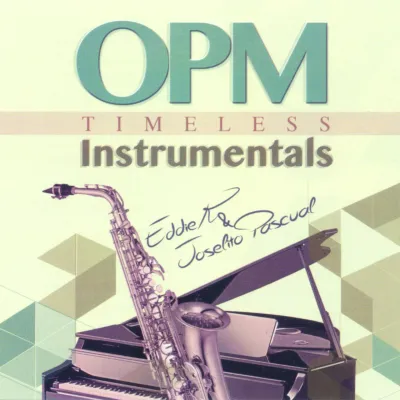
Prices are valid at publication and may change. Please refer to the product page for the latest price.
Scarcity is the primary driver of value in physical media collecting. In the context of OPM, true scarcity often manifests in first pressings, hand-numbered editions, and promotional releases that were never intended for public sale. First pressings are highly sought after because they represent the album in its original, unaltered form, often featuring the initial mastering mix before subsequent reissues modified the sound. Numbered editions, where each copy is stamped with a unique serial number (such as “045 of 500”), provide a transparent indicator of how few copies exist worldwide. Promotional discs, which were distributed exclusively to radio stations, music journalists, and industry insiders, often feature unique disc face artwork or alternate tracklists, making them incredibly rare.
Packaging upgrades significantly elevate a CD from a simple music delivery format to a piece of displayable art. Standard jewel cases are functional, but special editions often utilize premium materials like multi-panel digipaks, hardcover book-style packaging, or elaborate outer slipcases. These deluxe packages frequently contain exclusive physical inserts, such as thick photobooks, lyric booklets with handwritten notes, artist-signed postcards, or custom merchandise like stickers and guitar picks. For contemporary genres like P-Pop, these physical inclusions are central to the release, transforming the CD into a highly interactive collector’s package.
Historical significance is the final, crucial pillar of collectibility. A CD gains immense value if it represents a milestone in an artist’s career or the broader local music scene. Debut albums from bands that went on to define the sound of a generation are prime examples, especially if those early runs were self-released or distributed by small independent labels before the band signed with a major company. Similarly, major label transitions, final studio albums before a group disbanded, or definitive anniversary remasters that restore lost analog tapes all carry a historical weight that standard catalog reissues simply cannot match.
Key Categories of Special Edition OPM Releases
When searching for valuable additions to your collection, it helps to categorize releases into distinct types. This structured approach allows you to compare similar releases and understand the specific market dynamics behind different eras and genres of OPM.

Legacy artist anniversary box sets represent the pinnacle of physical music curation. Local record labels occasionally celebrate the enduring legacy of iconic solo artists and bands by releasing comprehensive, multi-disc box sets. These collections typically compile the artist’s complete discography or a curated selection of their most influential work, often remastered from the original master tapes for superior audio fidelity. Beyond the music, these box sets are prized for their archival value, containing thick, coffee-table-style booklets filled with rare photographs, archival interviews, and essays written by music critics. Because these sets are expensive to produce, they are printed in very small quantities and rarely repressed, making them instant collector’s items.
Independent and alternative first runs occupy a unique space in OPM history, particularly from the vibrant indie rock and alternative scenes of the 1990s and 2000s. Before the advent of digital distribution, independent bands had to fund and manufacture their own physical releases, often resulting in print runs of only a few hundred copies. These CDs were frequently sold directly at gigs, local independent record stores, or through mail-order networks. Because of their grassroots origin, these releases often feature highly creative, DIY packaging solutions, such as hand-stamped cardboard sleeves or screen-printed disc faces. Finding one of these early runs in excellent condition is a major achievement for any collector, as many copies were heavily played or lost over the decades.
Concert and event exclusives are highly localized releases that are only available for purchase at specific physical venues. These might include limited-run EP CDs produced specifically for an album launch concert, tour-exclusive merchandise bundles, or promotional sampler discs distributed at major music festivals. Because these items require physical attendance to purchase, their distribution is naturally restricted, creating immediate scarcity. Collectors value these releases not only for their rarity but also for the personal memories and historical documentation of a specific live performance or era in the local music scene.
Label-specific collector series are curated lines launched by local record companies targeting audiophiles and serious physical media collectors. These series often focus on high-quality physical presentation, utilizing premium materials like heavy-duty gatefold jackets, gold-tinted CD surfaces, or specialized mastering formats designed to deliver maximum dynamic range. By focusing on the technical and aesthetic quality of the release, these series cater directly to enthusiasts who demand the absolute best physical and auditory experience from their favorite local albums.
How to Verify Authenticity and Pressing Details
As the market for collectible OPM CDs grows, so does the risk of encountering bootlegs, counterfeit copies, or standard reissues mislabeled as rare first pressings. To protect your investment, you must develop a sharp eye for detail and learn how to read the physical markers etched into the disc itself.
The most reliable way to verify a CD’s authenticity and pressing origin is by inspecting the matrix runout area. This is the mirror-like inner ring on the play side of the disc, located near the center hole. In this ring, manufacturers etch specific alphanumeric codes, including the album’s catalog number, the mastering SID (Source Identification) code, and the mould SID code. The mastering SID code (which begins with “IFPI” followed by an “L” and three digits) identifies the laser machine used to cut the glass master, while the mould SID code (which begins with “IFPI” followed by four or five alphanumeric characters) identifies the specific plant where the plastic disc was pressed. By cross-referencing these codes with online discography databases, you can confirm whether the disc was manufactured at an authorized pressing plant during the album’s original release year or if it is a later reissue.
Official physical markers on the packaging provide another layer of verification. Many official OPM releases from major labels feature holographic authenticity stickers, often issued by local regulatory bodies like the Optical Media Board (OMB) in the Philippines. These stickers are designed to be tamper-evident and feature reflective, multi-layered designs that are difficult for counterfeiters to replicate. Additionally, look for obi strips—paper bands wrapped around the spine of the CD, common in imported or premium local releases—which contain barcodes, pricing information, and release details. Embossed numbering on the back of digipaks or box sets should be clean, uniform, and physically pressed into the cardboard, rather than simply printed on the surface.
Cross-referencing catalog numbers and spine text is essential when verifying a release. The catalog number, typically printed on the spine, the back cover, and the disc face, must match across all three locations. Any discrepancy, such as a different catalog number on the disc compared to the spine, is a major red flag indicating a mismatched set or a counterfeit assembly. You should also pay close attention to the typography, alignment, and spelling of the text on the spine and back cover. Counterfeiters often use incorrect fonts or make subtle spelling errors when recreating artwork.
Identifying physical red flags requires careful visual inspection. High-quality official releases feature sharp, vibrant printing on the booklet, inlay cards, and disc face. If the artwork appears blurry, pixelated, or exhibits color bleeding, it is highly likely a low-quality scan used for a counterfeit copy. Furthermore, check the data side of the disc itself; official commercial CDs are almost always silver-pressed, whereas counterfeit copies are often burned onto recordable CD-Rs, which typically have a distinct bluish, greenish, or dark tint on the play side. Finally, ensure that all standard inserts, such as lyric sheets, fold-out posters, or promotional inserts, are present and match the paper stock of the main booklet.
Sourcing Rare OPM CDs Safely Online
Finding rare OPM CDs often requires searching beyond local physical record stores and exploring online spaces. While digital marketplaces offer access to a wider pool of sellers, they also require a higher level of caution to ensure you receive the exact item you paid for.
Specialized music collector forums and local physical media trading groups on social media are excellent starting points. These communities are often populated by passionate enthusiasts who value their reputation within the hobby. Unlike broad public marketplaces, member-run trading groups often have strict rules regarding listing formats, pricing transparency, and seller verification. Engaging with these communities allows you to build relationships with trusted collectors, learn about upcoming sales, and sometimes source rare items directly from fellow hobbyists before they are listed on larger public platforms.
When dealing with online sellers, always request high-resolution, unedited photos of the actual item. Never rely on stock images or low-quality, cropped photos. Specifically, ask the seller to provide clear close-up shots of the matrix runout ring on the play side of the disc, the spine of the packaging, and any holographic authenticity stickers or limited-edition numbering. A reputable seller who understands the collector market will be happy to accommodate these requests, as they understand the importance of these details in verifying a CD’s value.
Evaluating seller pricing in ₱ requires a realistic understanding of the market. Before making an offer or purchasing a listed item, research historical sales data within local collector groups to establish a baseline value. If a highly sought-after, out-of-print OPM CD is listed for an incredibly low price, proceed with extreme caution, as this is a common tactic used by scammers or sellers trying to pass off bootlegs. Conversely, be wary of artificially inflated prices from scalpers who attempt to exploit collector enthusiasm; patience is often rewarded in physical media collecting, as reasonable listings eventually appear if you monitor the market consistently.
Understanding return policies and buyer protection mechanisms is your final line of defense. When purchasing through online marketplaces, always use payment methods that offer robust buyer protection, allowing you to file a claim if the item arrives damaged, counterfeit, or not as described. If you are purchasing locally in the Philippines, arranging a face-to-face meetup in a well-lit, public space—such as a major shopping mall or transit hub—is a highly effective way to complete a transaction. This allows you to physically inspect the CD, verify the matrix codes, and check the condition of the packaging before handing over your ₱, ensuring complete peace of mind.
Frequently Asked Questions (FAQ)
Are out-of-print OPM CDs always considered limited editions?
No, out-of-print (OOP) status does not automatically make a CD a limited edition. An out-of-print CD is simply a release that the record label has decided to stop manufacturing, meaning no new copies are being supplied to retail stores. While this halt in production can cause the secondary market value of a standard CD to rise due to basic supply and demand, it remains a standard release. A true limited edition, by contrast, is planned, marketed, and manufactured from the very beginning with a strictly capped production run, often featuring unique packaging, bonus content, or physical inserts that distinguish it from the standard version.
How should I store special edition CDs to preserve their condition?
Preserving special edition CDs requires careful environmental control, especially in the tropical climate of the Philippines, where high humidity and heat can accelerate the degradation of paper, cardboard, and plastic. Store your CDs in a cool, dry room away from direct sunlight, as ultraviolet rays can quickly fade printed artwork on digipaks and cause plastic jewel cases to become brittle and yellow. To prevent mold growth on paper booklets and cardboard sleeves, keep your collection in a well-ventilated area, and consider using silica gel packets inside your storage cabinets to absorb excess moisture. Always store your CDs upright on a shelf rather than stacking them horizontally, as vertical storage prevents uneven pressure on the spines and minimizes the risk of disc warping over time. Finally, placing your valuable digipaks and box sets inside archival-grade, acid-free plastic resealable sleeves will protect them from dust, shelf wear, and oils from your hands during handling.

Community discussion
Share your experience or ask a question. Comments are reviewed before publication.