
JCraft electric guitars offer strong value for Filipino beginners by providing classic body shapes, versatile pickup configurations, and accessible price points in ₱. To find the model that offers the most value for your specific journey, you must evaluate how its neck profile, pickup layout, and bridge design align with your musical goals and your willingness to invest in a proper setup. Choosing the right model involves balancing these specifications against the high-humidity tropical climate of the Philippines, which directly impacts wood stability and hardware longevity.
What to Expect from JCraft as a Beginner Brand
The entry-level guitar landscape in the Philippines has grown significantly, offering beginners more choices than ever before. Budget-friendly brands have filled a crucial gap, allowing aspiring musicians to pick up an instrument without making a massive financial commitment. JCraft has established a notable presence in this segment by producing instruments that replicate the aesthetics of iconic electric guitars. For a beginner, this means you can own an instrument that looks and feels like the guitars played by your favorite artists, keeping your motivation high during the challenging early stages of learning.
However, maintaining realistic expectations regarding materials is essential when purchasing an instrument in this price bracket. Budget-friendly guitars typically utilize tonewoods such as basswood, mahogany, or agathis for their bodies. Basswood is lightweight and offers a balanced, neutral tone, making it easy to handle during long practice sessions. Mahogany provides a warmer, deeper sound but adds noticeable weight to the instrument. While these woods are perfectly adequate for learning, they do not possess the same resonance, grain consistency, or long-term stability as the premium woods found on high-end instruments.
Products mentioned in this guide
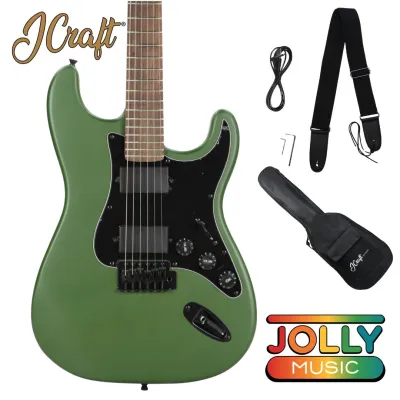
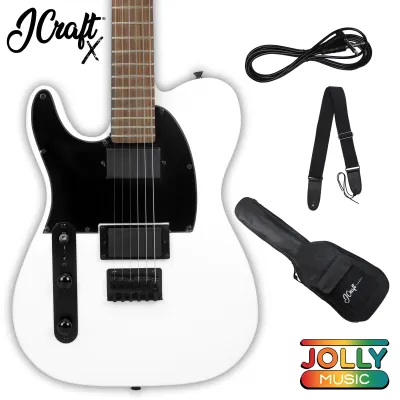
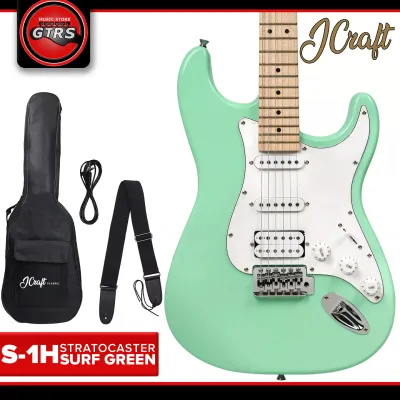
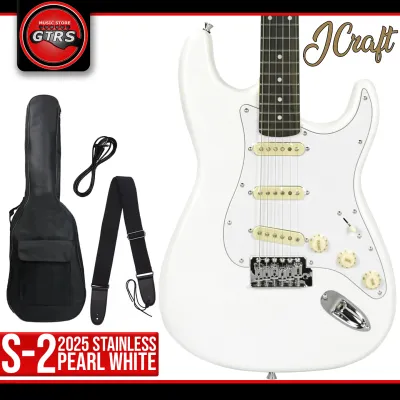
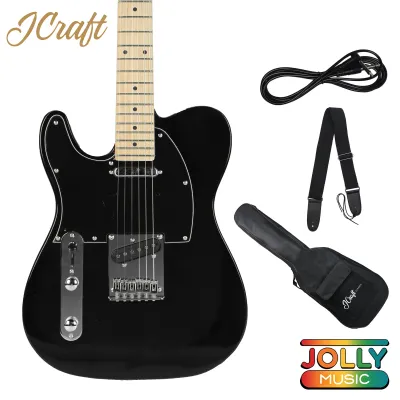
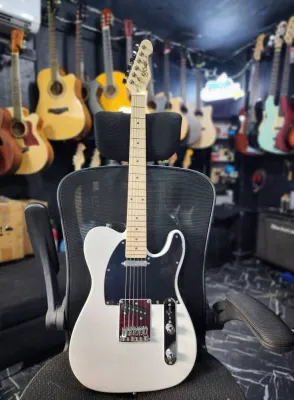
Prices are valid at publication and may change. Please refer to the product page for the latest price.
Hardware components on entry-level guitars are also selected to keep production costs manageable. The tuning machines, pickup selectors, volume pots, and bridge saddles are functional but may lack the ultra-smooth operation of premium hardware. Over time, you might notice minor issues like tuning keys that require frequent adjustment or a pickup switch that feels slightly loose. Understanding that these components are built to a price point helps you appreciate the instrument for what it is: a highly capable tool for learning and practice, rather than a lifetime heirloom.
To evaluate the true value of a JCraft guitar, you must look beyond the initial price tag in ₱. A low-cost guitar that constantly slips out of tune or has sharp fret edges will quickly discourage you from practicing. True value lies in finding a model that offers a stable neck, functional electronics, and a comfortable body shape. By focusing on these core structural elements, you ensure that your investment supports your musical growth rather than causing unnecessary frustration.
Key Specifications That Affect Playability and Tone
When selecting your first electric guitar, the neck profile and fretboard radius are among the most critical factors influencing your comfort. The neck profile refers to the shape of the back of the neck where your thumb rests. Many beginner-friendly models feature a modern “C” shape neck, which is relatively thin and rounded, making it highly comfortable for players with smaller hands or those transitioning from acoustic instruments. The fretboard radius determines the curvature of the playing surface; a flatter radius (such as 12 inches) makes it easier to bend strings without them buzzing, while a rounder radius (such as 9.5 inches) conforms naturally to the hand for comfortable chord shapes.

Pickup configurations play a massive role in shaping your guitar’s voice and determining its versatility across different music genres. Single-coil pickups are known for their bright, crisp, and articulate tones, which are highly favored in pop, funk, blues, and clean indie rock. However, they naturally produce a low hum when used with high-gain distortion. Humbucker pickups utilize two coils to cancel this hum, delivering a much thicker, warmer, and more powerful sound. If you plan to play heavy rock, metal, or jazz, humbuckers are highly advantageous. For maximum versatility, look for models with an HSS (Humbucker-Single-Single) configuration, which allows you to experiment with both pickup types on a single instrument.
The bridge type is another specification that directly impacts your daily playing experience, particularly regarding tuning stability. A fixed bridge, often referred to as a hardtail, anchors the strings firmly to the guitar body. This design is highly recommended for beginners because it keeps the guitar in tune for longer periods and makes changing strings a simple, stress-free process. In contrast, a tremolo bridge allows you to use a whammy bar to bend the pitch of your notes. While tremolo systems offer creative expression, budget-level tremolos can make tuning highly unstable, especially for beginners who are still learning how to stretch new strings and balance spring tension.
Ultimately, prioritizing a comfortable neck and a stable bridge will yield a much better learning experience than focusing solely on aesthetic features. If you struggle to keep your guitar in tune, you will spend more time adjusting pegs than actually practicing chords. By choosing a specification layout that matches your physical comfort and musical preferences, you set yourself up for a much smoother and more enjoyable learning curve.
Choosing the Right Body Style for Your Music Genre
The physical shape of your electric guitar affects not only its visual appeal but also how comfortable it is to play over extended periods. Double-cutaway, contoured bodies—resembling classic Stratocaster or Superstrat designs—are incredibly popular among beginners for good reason. These guitars feature ergonomic curves on the back and armrest areas, allowing the instrument to sit comfortably against your body whether you are sitting down or standing with a strap. The double cutaway provides deep cutouts on both sides of the neck, giving your hand easy access to the highest frets when you begin practicing solos and scales.
Single-cutaway, thicker bodies—resembling classic Les Paul designs—offer a very different physical and tonal experience. These guitars are typically heavier and have a solid, substantial feel. The extra wood mass contributes to a warmer tone with excellent natural sustain, making them a favorite for classic rock, blues, and heavy metal rhythm playing. However, the added weight can place more strain on your shoulder during long standing sessions, and the upper fret access is generally more restricted due to the single-cutaway design. If you prefer a heavy, powerful sound and do not mind a heavier instrument, this body style is a compelling choice.
Offset or alternative body shapes, such as those inspired by classic surf rock or indie designs, offer a distinct aesthetic that appeals to players wanting to stand out. These asymmetrical shapes shift the guitar’s center of gravity, which can alter how the instrument balances on your lap or strap. While they provide a highly stylish, retro vibe that fits perfectly into alternative and indie music scenes, it is important to test how they feel physically. Some offset shapes can feel slightly neck-heavy or sit differently on your leg, which might require a minor adjustment to your playing posture.
When deciding on a body style, consider where and how you will practice most often. If you plan to practice primarily while sitting in a chair at home, a highly contoured double-cutaway body offers excellent ergonomic support. If you are drawn to heavy, sustaining riffs and prefer a solid weight on your shoulder, a single-cutaway model will align better with your musical identity. Choosing a shape that feels physically natural to hold ensures that physical discomfort never becomes a barrier to your daily practice routine.
How to Assess JCraft Starter Bundles and Packages
Many retailers offer JCraft electric guitars as part of starter bundles, which can be highly appealing to beginners who want a complete setup in a single purchase. A typical bundle includes the guitar, a gig bag, an instrument cable, a strap, a few picks, and a small practice amplifier. When evaluating these packages, it is important to look closely at the quality of the individual components rather than just the convenience of the bundle. A poorly made gig bag with thin padding, for example, will offer minimal protection against the bumps and drops that occur during transport, potentially leading to costly damage to your new instrument.
The practice amplifier included in starter bundles deserves special scrutiny. Many bundled amplifiers are very small, low-wattage units designed solely to produce basic sound. While they are functional for hearing your first notes, they often lack tonal depth, producing a harsh or muddy sound that can make your guitar sound worse than it actually is. In many cases, you will get better long-term value by purchasing the guitar separately and investing in a slightly higher-quality standalone practice amplifier. Modern standalone practice amps often feature built-in digital effects, headphone jacks for silent practice, and auxiliary inputs, providing a much more inspiring and versatile platform for learning.
You must also factor in the hidden costs of accessories that may not be included in a standard bundle. A reliable clip-on tuner is an absolute necessity for every beginner, as playing an out-of-tune guitar will hinder your ability to develop a good musical ear. You will also need a sturdy guitar stand to keep your instrument safe from tipping over when you are not playing. Additionally, the strings that come pre-installed on budget guitars are often of lower quality and may have oxidized while sitting in a warehouse; budgeting for an immediate set of high-quality replacement strings is highly recommended to ensure optimal tone and playability from day one.
By carefully calculating the cost of buying the guitar and accessories separately versus the price of a bundle, you can make an informed financial decision. If the bundle includes a high-quality padded bag and a reputable practice amp, it can save you both time and money. However, if the bundled accessories feel flimsy or cheap, you are almost always better off selecting your own accessories individually, ensuring that every piece of your gear setup meets your standards and supports your learning journey.
Pre-Purchase Checklist for Buying in the Philippines
Whether you are purchasing your JCraft electric guitar from a physical music store in the Philippines or ordering it through an online marketplace, performing a thorough physical inspection is crucial. When you first receive the guitar, hold it up and look down the edge of the neck from the headstock toward the body. The neck should be relatively straight with a very slight, almost imperceptible forward curve; any severe bowing or twisting will make the guitar incredibly difficult to play. Next, run your fingers gently along both sides of the fretboard. If you feel sharp metal edges sticking out, you are experiencing “fret sprout,” which occurs when the wood shrinks due to changes in humidity.
In the highly humid tropical climate of the Philippines, wood expansion and contraction are common challenges for budget instruments. You must also inspect all metal hardware, including the bridge saddles, tuning pegs, and pickup pole pieces, for any signs of rust or oxidation. Pre-existing rust indicates that the guitar was stored in a damp environment, which can lead to seized screws and degraded electronics. Plug the guitar into an amplifier and turn all the volume and tone knobs while flipping the pickup selector switch. If you hear loud crackling or popping sounds, or if the signal cuts out, the internal wiring may have loose solder joints or dusty potentiometers that require cleaning or repair.
When buying online, verifying the seller’s reputation is your primary line of defense. Look for official brand stores or highly rated authorized local dealers on e-commerce platforms. Read customer reviews carefully, paying close attention to how the seller packages the instrument for shipping. A reputable seller will wrap the guitar box securely in multiple layers of bubble wrap and use a sturdy outer shipping carton to protect it from the rough handling that can occur during transit. Ensure that the platform’s return policy gives you at least a few days to unbox, inspect, and test the guitar thoroughly before the transaction is finalized.
Understanding the local warranty coverage and after-sales support is equally important. Budget instruments rarely come with extensive manufacturer warranties, so your primary support will come from the local retailer or distributor. Ask the seller if they offer a warranty against manufacturing defects and what the process is for claiming repairs. Some physical music stores provide a free initial setup or basic adjustments within the first few months of purchase. Utilizing these local services can save you a significant amount of money and ensure that your guitar remains in peak playing condition as it acclimates to your home environment.
Frequently Asked Questions (FAQ)
Do I need to set up a new JCraft guitar before playing?
Yes, investing in a professional setup is one of the most effective ways to ensure your new guitar is comfortable to play. Out of the box, budget instruments are rarely adjusted for optimal playability. A professional technician will adjust the action height (the distance between the strings and the frets) to make pressing down chords much easier on your fingers. They will also adjust the truss rod to correct any neck bow, file down any sharp fret ends, and set the intonation so that notes remain perfectly in tune as you play higher up the neck. This simple service can turn a stiff, frustrating instrument into a smooth, inspiring tool that you will want to pick up every day.
Can I upgrade the pickups on a beginner JCraft model later?
Yes, upgrading the pickups is a highly popular and effective way to improve your guitar’s tone as your playing skills advance. Most JCraft models utilize standard body routings, meaning they can easily accommodate aftermarket pickups from various brands without requiring complex modifications to the wood. However, you should carefully consider the financial practicality of this upgrade. A set of high-quality aftermarket pickups can easily cost as much as, or more than, the original price of the guitar. Upgrading makes the most sense if you absolutely love the physical feel, weight, and playability of your guitar’s neck and body, but simply want to achieve a more refined, professional, or genre-specific sound.

Community discussion
Share your experience or ask a question. Comments are reviewed before publication.