
Finding yourself overwhelmed by financial stress is a common experience, but grabbing the first bestseller you see on an online marketplace shelf rarely solves the issue. If you are struggling with mounting credit card bills, a book detailing advanced stock market strategies will only leave you more confused and anxious. To truly fix your finances, you must treat your money problems like a medical diagnosis: identify the specific ailment first, and then select the precise literary prescription that addresses it. Matching your current financial pain point to the right personal finance framework is the fastest way to stop the cycle of financial stress and build a secure future.
Diagnose Your Primary Financial Challenge
Before you can choose the right book, you must differentiate between surface-level symptoms and the actual root causes of your financial anxiety. For instance, running out of cash a week before payday is a highly visible symptom, but the root cause could be emotional overspending, a complete lack of a tracking system, or high-interest debt payments eating up your disposable income. If you treat a cash flow problem by jumping straight into complex investment books, you will likely feel overwhelmed and abandon your reading goals entirely.
To help you identify where to focus your attention first, take a moment to review this self-assessment checklist. Determine which of these descriptions most closely aligns with your current daily reality:
Products mentioned in this guide
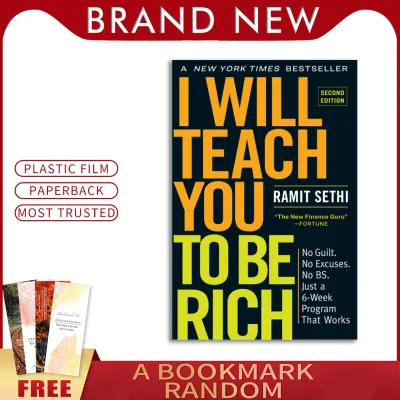
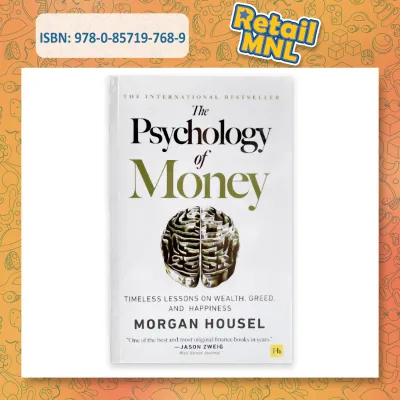
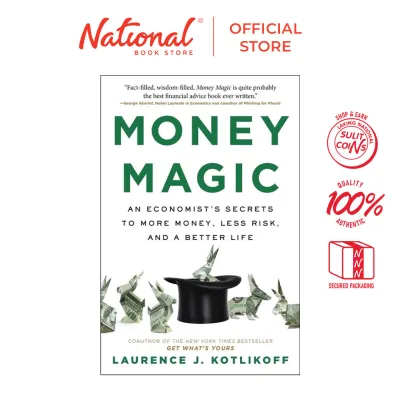
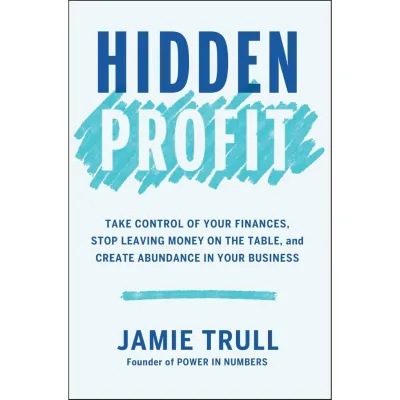
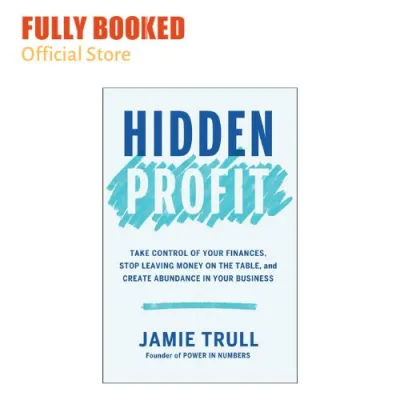
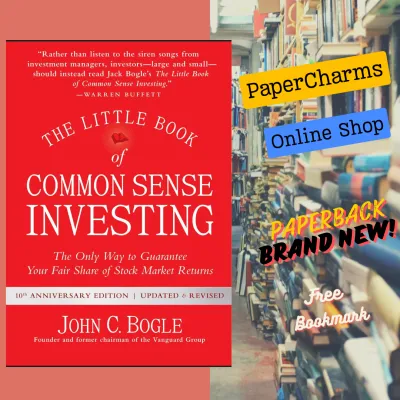
Prices are valid at publication and may change. Please refer to the product page for the latest price.
- Debt Burden: You owe money to multiple lenders, credit cards, or personal loans, and you feel like your monthly payments are barely covering the accumulating interest.
- Cash Flow Mismanagement: You earn a decent salary, but your bank account consistently hovers near zero before the next pay cycle, and you have no clear idea where your money went.
- Lack of a Safety Net: You live paycheck to paycheck, and a sudden medical emergency, car repair, or appliance replacement would force you to borrow money from family or high-interest lenders.
- Investment Hesitation: You have successfully managed your debt and built a modest savings buffer, but your money is sitting in a low-interest account because you feel too intimidated by market jargon to start investing.
Financial problems often overlap, and it is common to feel like you are struggling with all of these issues simultaneously. However, financial stability must be built sequentially. If you are carrying high-interest debt, that is a financial emergency that must be stabilized first. Attempting to build a long-term investment portfolio while paying high interest on credit cards is like trying to fill a bucket with a massive hole in the bottom. Focus your reading on debt management and cash flow stabilization before moving on to wealth-building topics.
Match Your Money Problem to the Right Book Category
Once you have diagnosed your primary financial bottleneck, you can bypass generic bestseller lists and target the specific category of personal finance literature that addresses your needs.

Debt Management
If your primary challenge is debt, look for books that offer structured payoff frameworks and address the behavioral triggers of borrowing. These books typically teach practical strategies like the debt snowball method (prioritizing the smallest balances first for quick psychological wins) or the debt avalanche method (prioritizing the highest interest rates to minimize overall cost). More importantly, effective debt literature dives deep into the psychology of spending, helping you understand why you swipe the card and how to break the cycle of relying on credit to sustain your lifestyle.
Overspending and Budgeting
If your cash flow is highly unpredictable or constantly depleted, seek titles focused on spending psychology and zero-based budgeting. Avoid books that merely provide complex spreadsheet templates that are difficult to maintain on a mobile phone. Instead, look for authors who discuss mindful consumption and how to align your daily spending with your personal values. These books teach you to view a budget not as a painful restriction, but as a tool that gives you permission to spend guilt-free on what truly matters to you.
Lack of Savings and Emergency Funds
For those struggling to build a safety net, the ideal books are those emphasizing automated savings systems and behavioral design. Shifting daily money habits is far more effective than relying on willpower alone. Look for literature that explains how to set up automatic transfers to a separate bank account on payday, effectively paying yourself first. A good savings-focused book will help you redefine your relationship with emergency funds, framing them not as idle cash, but as essential financial insurance that protects your peace of mind.
Investment Basics and Wealth Building
Once your financial foundation is secure, transition to introductory investment guides. These books should explain fundamental concepts like risk tolerance, compound interest, and long-term asset allocation. Be wary of any title that promises rapid or guaranteed returns. Instead, prioritize authors who advocate for a long-term mindset, index fund investing, or diversified portfolios, helping you understand that building wealth is a slow, deliberate process rather than an overnight event.
Evaluate the Book Before You Buy or Borrow
Before spending your hard-earned ₱500 or ₱1,000 on a new book, take a moment to evaluate its relevance and applicability to your specific situation.
First, verify the edition and publication year. Tax laws, interest rate environments, and digital banking platforms change rapidly. A book written two decades ago may still offer excellent psychological advice, but its technical instructions on tax-advantaged accounts or investment platforms might be completely outdated. Always look for the most recent edition to ensure the technical details remain accurate.
Second, check for geographic compatibility. Many global personal finance bestsellers are written by authors based in the United States or Europe. They frequently reference country-specific financial products like 401(k) plans, Roth IRAs, or specific index funds that are not directly accessible to readers in the Philippines. When reading these books, you must assess whether the core principles—such as automated retirement savings or low-cost index investing—can be practically adapted to local alternatives like the Pag-IBIG MP2 program, Personal Equity and Retirement Accounts (PERA), or local Unit Investment Trust Funds (UITFs).
Third, choose the right format. If a book relies heavily on worksheets, budgeting charts, or visual step-by-step guides, a physical copy or an e-book with downloadable PDF resources is far more practical than an audiobook. Conversely, if the book is highly narrative or focused on money psychology, an audiobook can be an excellent companion during your daily commute through heavy city traffic.
Finally, review the author’s background. Ensure they are qualified educators or experienced financial practitioners rather than self-proclaimed gurus promoting unverified get-rich-quick schemes. A credible author will focus on educational frameworks, risk management, and sustainable habits rather than promising effortless wealth.
Turn Reading into Actionable Financial Fixes
Reading a book provides a temporary rush of motivation, but real change only happens when you translate those pages into daily habits. To avoid analysis paralysis, start by implementing just one core strategy from your chosen book. If the author recommends tracking every single expense, focus entirely on that single habit for thirty days before attempting to restructure your entire investment portfolio.
Track your progress using simple, measurable milestones. If your goal is to build an emergency fund, celebrate reaching your first ₱10,000, then ₱20,000, rather than worrying about the final six-month target. Adjust strategies that do not align with your actual income or daily reality. If a strict budgeting method makes you feel miserable and deprived, modify it to allow for small, affordable local comforts, like your favorite cold brew or a weekend meal with family.
Lastly, recognize the limits of self-help literature. Books provide general frameworks, but they cannot account for complex, highly individualized financial crises. If you are facing severe legal action from creditors, overwhelming medical debt, or structural poverty, stop relying solely on self-help books. Identify when it is time to consult a licensed financial advisor, a registered financial planner, or a professional credit counselor who can provide personalized, legally sound intervention.
Frequently Asked Questions (FAQ)
Can I read multiple finance books at once?
It is generally best to focus on one book and one methodology at a time to avoid information overload and conflicting advice. Different authors advocate for different financial philosophies; trying to combine an aggressive debt-payoff strategy with an active investing strategy simultaneously can lead to decision fatigue. Sequence your reading logically: master cash flow and debt management first, then move on to savings, and finally dive into wealth-building and investment literature.
Are older finance books still relevant?
Yes, but with caveats. Older finance books are incredibly valuable for understanding human psychology, behavioral traps, and timeless economic principles like compound interest and living below your means. However, their technical advice regarding specific tax codes, interest rates, and investment platforms is often outdated. Always verify the technical details independently and adapt the timeless behavioral principles to today’s digital financial landscape.
What if a book's strategy doesn't work for my income level?
Many personal finance books assume a stable, middle-class income, which may not reflect your reality if you have a variable income or are living paycheck to paycheck. In these cases, focus on extracting the underlying principles rather than copying the exact monetary figures or percentages. For example, if a book recommends saving 20% of your income but you can only manage 2%, start with that 2%. The habit of saving consistently is far more important than the initial amount. If your financial situation remains highly complex, consider seeking personalized guidance from a qualified local financial professional.

Community discussion
Share your experience or ask a question. Comments are reviewed before publication.