
Selecting your first cymbal set is a pivotal step in your drumming journey, but there is no single “best” option that suits every beginner. The ideal choice depends heavily on your preferred musical style, your practice environment, and your overall budget. If you want a bright, cutting tone that easily pierces through rock or pop mixes and you value a highly recognized brand name, the Zildjian Planet Z series is a strong contender. However, if your ears lean toward warmer, darker sounds, or if you want to explore specific bronze alloys within a strict budget, looking at alternative entry-level lines is highly recommended. This comparison focuses on entry-level options readily available to drummers in the Philippines, helping you navigate the balance between cost, material, and sound. By understanding how these instruments are made and how they interact with your playing style, you can make a confident purchase that supports your musical growth.
Decoding the Zildjian Planet Z Series
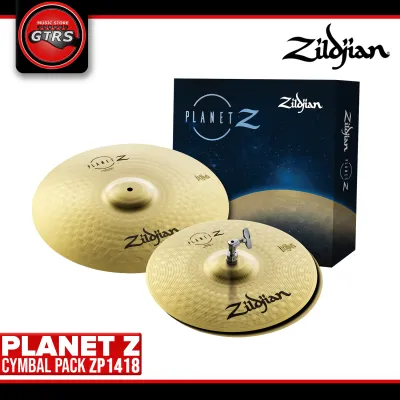
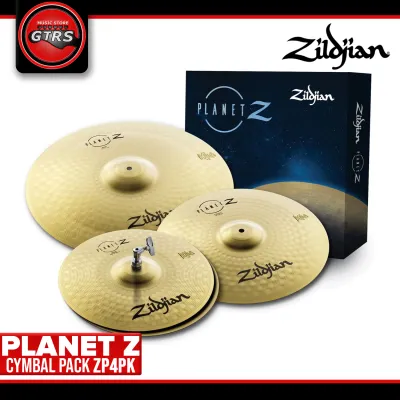
To make an informed choice, you must first understand what the Zildjian Planet Z series offers in terms of construction and design. When shopping, always verify the official product labels and specifications provided by the manufacturer. The Planet Z line is typically crafted from a durable brass alloy using a stamped manufacturing process rather than the labor-intensive hand-hammering associated with high-end bronze cymbals. This automated stamping ensures consistency across production runs, meaning the cymbal you try in a shop will sound virtually identical to the one you order online.
The brass composition directly influences the tonal characteristics of these cymbals. They generally produce a bright, high-pitched sound with a strong initial attack and a focused, relatively short sustain. This bright voice is particularly useful for beginners playing along with amplified music, such as rock, pop, or modern worship songs, as the high frequencies cut through the mix without requiring excessive physical force. However, because sound is highly subjective, you should verify these tonal qualities yourself by listening to high-quality audio demonstrations or testing the cymbals in person at a local music store.
Products mentioned in this guide
Prices are valid at publication and may change. Please refer to the product page for the latest price.
Zildjian offers these cymbals in several configurations to suit different starter setups. You will commonly find them sold in pre-packaged sets, which typically bundle essential sizes like 14-inch hi-hats, a 16-inch crash, and a 20-inch ride. Individual sizes are also available, allowing you to expand your kit gradually or replace a single component as your playing style evolves. This flexibility makes it easier to customize your setup as you learn which sounds you prefer.
Exploring Other Entry-Level Cymbal Alternatives
Looking beyond a single brand helps prevent brand tunnel vision and ensures you get the most value for your money. Several other major manufacturers offer entry-level lines designed specifically for beginners. Prominent examples include the Sabian SBR series, the Paiste PST 3 line, and the Meinl HCS family. These series serve as excellent comparison points, though they represent just a portion of the diverse starter options available on the market today.

One of the most critical differences among these entry-level options is the alloy used in their construction. While many starter cymbals, like the Planet Z and Meinl HCS, utilize brass, other entry-level models might use bronze alloys such as B8 or even entry-level B20 formulations. Brass cymbals tend to be highly affordable and offer a bright, controlled sound, but they can sometimes sound slightly metallic or harsh to sensitive ears. Bronze alloys, even in budget lines, generally deliver a warmer, richer tone with a wider dynamic range, though they often come with a slightly higher price tag.
In the Philippines, local availability plays a massive role in your final decision. Stock levels, promotional bundle deals, and import shipping costs can vary significantly between physical instrument shops in major urban hubs and online music marketplaces. A bundle deal that includes stands or accessories might make one brand far more cost-effective than another on any given day, so it is wise to compare local listings thoroughly before committing. Additionally, local climate factors mean that finding a distributor with fresh, properly stored stock is essential to avoid pre-existing tarnish.
Critical Comparison Dimensions for New Drummers
To choose the right cymbal, you must evaluate how well a specific model aligns with your playing environment and musical goals. Matching the cymbal’s voice to your preferred genre is a great starting point. If you practice mostly acoustic jazz, blues, or indie rock, you might find the bright, cutting nature of brass cymbals like the Planet Z a bit too aggressive, making a warmer bronze alternative more suitable. Conversely, if you are practicing high-energy rock or metal, the bright projection of brass is excellent for keeping time clearly against loud guitars.
Durability is another vital factor, especially for beginners who are still developing their striking technique. A cymbal’s weight and thickness directly influence both its volume and its resistance to cracking. Thicker, heavier cymbals can withstand heavier hitting and project more volume, but they also require a stronger strike to open up their full sound. You should check the specific model specifications for weight designations, such as “medium” or “heavy,” to ensure the cymbal matches your physical playing style without risking premature damage.
Do not overlook physical compatibility with your existing drum hardware. Before purchasing, verify that the mounting hole diameters of the cymbals match the tilter diameters of your cymbal stands. Additionally, always check that you have the necessary protective hardware installed, including plastic sleeves, thick felt washers, and secure wingnuts. Operating a metal cymbal directly against a metal stand without a sleeve causes a destructive wear pattern known as keyholing, which can permanently ruin your investment. Proper hardware setup also dampens unwanted vibrations, allowing the cymbal’s natural tone to shine.
Building Your First Cymbal Set: Value and Budgeting
When assembling your first setup, strategic budget allocation is far more effective than simply chasing the lowest price tag. Most drum instructors recommend prioritizing a classic three-piece setup consisting of 13-inch or 14-inch hi-hats, a 16-inch crash, and a 20-inch ride. This combination offers the ultimate versatility, allowing you to practice essential patterns, accents, and dynamic transitions across almost any musical genre.
You will need to decide whether to purchase a pre-configured cymbal pack or select individual pieces. Pre-configured packs are highly popular because manufacturers discount them relative to buying each piece separately, making them an excellent way to maximize your budget. However, if you have highly specific tonal preferences—such as wanting a very dark crash combined with bright hi-hats—building your set piece-by-piece gives you total control, even if it requires a larger total investment over time.
Before finalizing any purchase, perform a thorough physical inspection of the gear. Run your fingers carefully along the edges of the cymbals to check for tiny micro-cracks, flea bites, or rough metal spurs. In the warm, humid tropical climate of the Philippines, check the surfaces for signs of advanced oxidation or tarnish, which can sometimes occur during storage or transit. Finally, verify the stamped logos, version markings, and country-of-origin labels to ensure you are receiving the exact, authentic edition you intended to buy. Taking these extra steps ensures your hard-earned money is spent on a reliable instrument that will last.
Frequently Asked Questions (FAQ)
Should beginners buy used cymbals to save money?
Buying second-hand cymbals can stretch your budget further, but it requires a careful eye. When browsing the used market, you must inspect the center hole for keyholing, look closely for hairline cracks along the tonal grooves, and check for structural dents along the edges. If you cannot inspect the cymbal in person, buying a new entry-level set is generally a much safer investment. New cymbals come with the peace of mind of a manufacturer’s warranty and a guaranteed pristine structural condition, which is ideal for a novice player.
How do I clean and maintain brass or bronze cymbals?
Proper maintenance protects your cymbals from the high humidity levels common in tropical environments. After every practice session, wipe down the top and bottom surfaces with a clean, dry microfiber cloth to remove sweat, finger oils, and dust. Avoid using harsh household chemical cleaners or abrasive scrubbers, as these can strip away protective lacquers and permanently damage the metal. Always consult the manufacturer’s official guidelines before applying any specialized polishing compounds, as some formulas can accidentally erase printed brand logos.
When is the right time to upgrade from entry-level cymbals?
You will generally know it is time to upgrade when your playing outgrows the physical and tonal limitations of starter brass. If you begin recording your practice sessions or performing live gigs, you may find that brass cymbals lack the complex overtones, warmth, and dynamic sensitivity required for professional environments. When you can clearly hear the difference between the simple, bright clang of brass and the rich, expressive wash of high-quality bronze, it is time to start planning your transition to intermediate or professional-grade cymbals.
Community discussion
Share your experience or ask a question. Comments are reviewed before publication.