
When choosing a melodion for a student in the Philippines, there is no single “best” brand for everyone. The right choice depends on the student’s specific school requirements, budget, and physical comfort. While Yamaha and Hohner are the two most widely available and trusted brands, they often differ in design philosophy, keyboard feel, and accessory ecosystems. This guide breaks down the verifiable specifications, build characteristics, and purchasing conditions you need to evaluate to make an informed decision for your child’s musical education.
Key Specifications and Design Differences to Verify
Before committing to a purchase, it is essential to verify the exact technical specifications of the melodion models you are comparing. Manufacturers offer these instruments in various configurations, and assuming all models under a brand are identical can lead to purchasing an incompatible instrument for school ensembles.
First, check the exact number of keys on the instrument. Student models typically come in 32-key or 37-key configurations. A 32-key model is lighter and more compact, making it easier for younger elementary school students to hold and carry. A 37-key model offers a wider pitch range, which may be required for advanced music classes or high school band performances. You must verify the specific pitch range (such as alto or soprano) indicated on the product packaging to ensure it matches the school’s curriculum.
Products mentioned in this guide
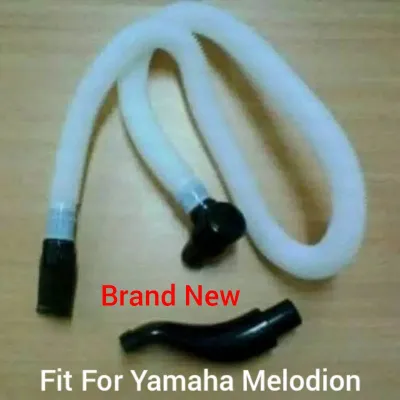
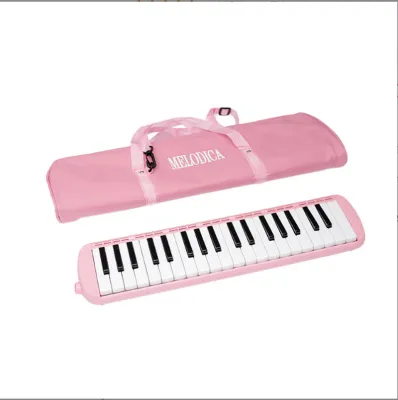
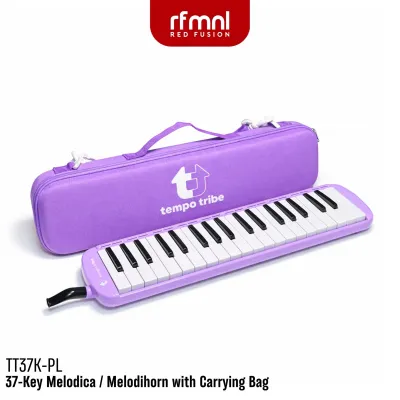
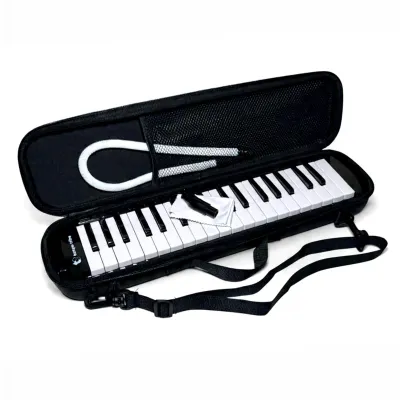
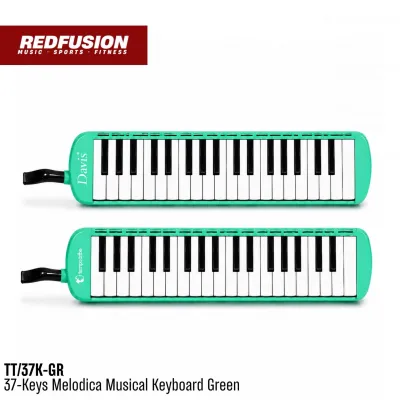
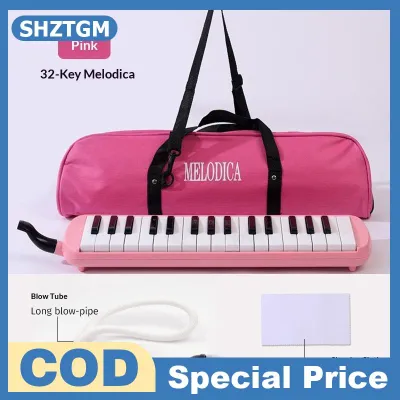
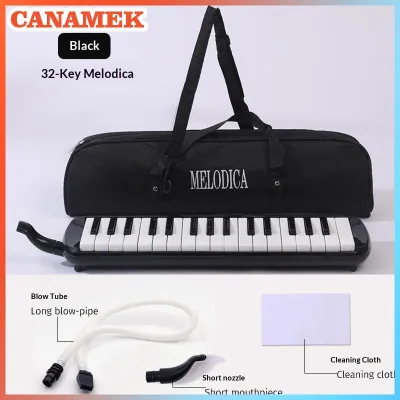
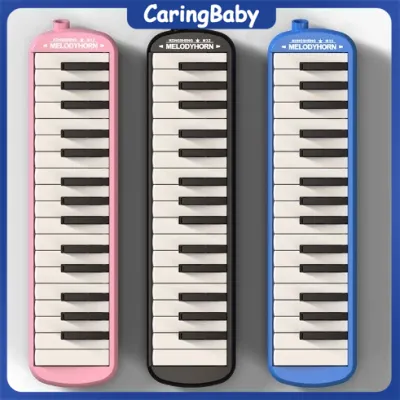
Prices are valid at publication and may change. Please refer to the product page for the latest price.
Second, examine the included accessories. A standard student package should include the melodion, a mouthpiece for handheld playing, an extension hose for tabletop playing, and a carrying case. However, the type of case varies. Some models come with a heavy-duty, hard plastic case that offers excellent protection against drops but adds extra weight. Other models feature a padded soft gig bag, which is lighter and easier to carry but offers less protection against heavy pressure.
Finally, always confirm the exact model number. Both Yamaha and Hohner produce entry-level student models as well as professional-grade instruments. Checking the model number on the manufacturer’s official catalog ensures you are paying for the appropriate tier of instrument.
Evaluating Sound Quality and Tonal Preferences
Tonal preference is highly subjective, and what sounds pleasing to one listener may sound different to another. When comparing Yamaha and Hohner melodions, the sound profile is primarily determined by the internal reed material, the precision of the reed alignment, and the design of the air chamber.

To assess the sound quality objectively, avoid relying on generalized marketing claims of superior tone. Instead, look at the technical specifications of the reeds. High-quality reeds are typically made of brass or bronze alloys, which provide stable tuning and resistance to corrosion. The design of the air chamber also influences how air flows through the instrument, affecting the overall resonance and volume.
The most reliable way to evaluate these tonal differences is to conduct a hands-on test. Visiting an authorized music retailer in the Philippines allows you to hear the instrument in person. If a physical test is not possible, search for verified, unedited video demonstrations where players perform basic scales and sustained notes. Listen closely to the brightness or warmth of the tone. Some instruments produce a bright, clear sound that easily cuts through a noisy classroom ensemble, while others offer a warmer, rounder tone.
Keep in mind that a student’s blowing technique and breath control play a massive role in the resulting sound. Beginners often struggle with maintaining consistent air pressure, which can cause the pitch to waver. As the student develops better breath control over time, the instrument’s true tonal characteristics will become more apparent and consistent.
Build Quality, Durability, and Maintenance Needs
A student’s melodion must be robust enough to withstand daily transport, classroom use, and the challenging tropical climate of the Philippines. High humidity and temperature fluctuations can affect both the plastic body and the internal metal reeds, making build quality and proper maintenance critical factors for longevity.
When evaluating build quality, inspect the casing materials and keyboard housing. Look for instruments constructed from high-grade, impact-resistant ABS plastic. The seams of the casing should be tight and seamless to prevent air leaks, which can drastically reduce volume and playability. The keyboard assembly should feel solid, with keys that do not wiggle excessively from side to side.
Routine maintenance is straightforward but must be performed consistently. Because the melodion is a wind instrument, moisture from the player’s breath accumulates inside the air chamber during use. Every model features a moisture release valve. Instruct the student to depress this valve and blow firmly through the mouthpiece after every playing session to drain the accumulated moisture. Wiping down the exterior casing and keys with a soft, dry microfiber cloth helps prevent dirt buildup.
For deeper cleaning or internal issues, caution is required. Never attempt to unscrew the casing, adjust the internal metal reeds, or submerge the entire body of the instrument in water. The internal reeds are highly sensitive and can easily be bent or knocked out of tune by untrained hands. Any internal maintenance, deep cleaning, or tuning adjustments must strictly follow the instructions in the user manual or be referred to a qualified instrument technician at an authorized service center.
Playability and Keyboard Action for Beginners
The physical feel of the keyboard, often referred to as the keyboard action, is a vital consideration for young learners. A keyboard that is too stiff or has inconsistent key resistance can cause hand fatigue and discourage a student from practicing regularly.
Key resistance and travel distance—the depth to which a key must be pressed to produce sound—should be uniform across the entire keyboard. For beginners, a lighter key action is often preferred as it requires less finger strength to depress the keys, allowing them to focus on learning fingerings and breath control. However, some players prefer a slightly firmer, piano-style key action that closely mimics the feel of an acoustic piano or electronic keyboard, which can help build finger strength and transition to other keyboard instruments later on.
Key width is another factor to verify. Student melodions generally feature slightly narrower keys than standard piano keys to accommodate smaller hands. This allows young students to reach intervals and chords comfortably without straining their fingers. Check the product descriptions for manufacturer terms related to key design, such as “smooth touch” or “piano-style keys,” to understand the intended feel.
To find the most comfortable fit, have the student try the instrument in person at an authorized retailer. Let them place their hands on the keyboard to ensure they can reach all the keys comfortably while holding the instrument or using the extension hose on a flat surface.
Pricing, Availability, and Value in the Philippines
Navigating the local market requires balancing your budget with the assurance of buying a genuine, high-quality instrument. Prices for student melodions can vary based on the brand, model, included accessories, and where you choose to shop.
To get an accurate idea of current pricing, check authorized music retailers and reputable online marketplaces. Prices are typically listed in ₱ and can fluctuate depending on promotional bundles. While it may be tempting to purchase the cheapest option available online, be extremely cautious of unusually low prices from unverified sellers. The market is flooded with counterfeit instruments that mimic the appearance of trusted brands but use cheap, brittle plastics and poorly tuned reeds.
Buying from an authorized dealer ensures you receive a genuine product made with safe, non-toxic materials. It also guarantees access to local warranty coverage and return policies if the instrument exhibits any manufacturing defects. Furthermore, authorized dealers are more likely to stock official replacement parts. Accessories like mouthpieces and extension hoses are wear-and-tear items that will eventually need replacement due to hygiene or physical wear. Verifying that replacement parts for your chosen brand are readily available locally will save you from having to purchase an entirely new instrument later on.
Final Decision Framework: Which Melodion Fits Your Student?
To make your final decision, synthesize the specifications, playability, and budget considerations into a clear framework tailored to your student’s specific situation.
Choose a Yamaha model if:
- The school music program or teacher specifically mandates a Yamaha Pianica to ensure tonal uniformity across the classroom ensemble.
- The student prefers a slightly firmer, highly responsive keyboard action that mimics the feel of a traditional piano.
- You prioritize a highly standardized accessory ecosystem where replacement mouthpieces and hoses are widely available in almost every local music store.
Choose a Hohner model if:
- The student prefers a lighter key action that is easy on young fingers and supports rapid note articulation.
- You are looking for a specific ergonomic design or case style that fits the student's daily school commute.
- The model meets all the technical requirements of the school curriculum while fitting comfortably within your household budget.
Verify first if:
- You have consulted the student's music teacher or reviewed the school handbook. Many schools have strict guidelines regarding the required key count (such as exactly 32 keys), specific pitch ranges, or even preferred colors to maintain a uniform appearance during performances.
Ultimately, the best melodion is the one that complies with educational requirements, fits the student’s physical comfort, and encourages them to explore the joy of making music.
Frequently Asked Questions (FAQ)
Do I need to buy the exact melodion model recommended by the school?
Yes, it is highly recommended to follow the school’s specific guidelines. While different brands of melodions can play the same musical notes, music teachers often select a specific model to ensure that all students have matching key counts, standardized pitch ranges, and uniform volume levels. Having identical instruments also makes it easier for the teacher to demonstrate fingerings and manage classroom organization, as the cases and accessories will be uniform. Always consult the teacher before purchasing an alternative brand or model.
How often should a student clean their melodion?
A student should perform basic cleaning after every single use. This involves depressing the moisture release valve and blowing through the mouthpiece to clear out any accumulated condensation. The mouthpiece and extension hose should be washed weekly with mild dish soap and lukewarm water, then left to air dry completely before being stored in the case. Never use boiling water, harsh chemical disinfectants, or abrasive brushes, as these can warp the plastic or damage the internal components. The main body of the melodion should never be submerged in water.
Can I use a Yamaha mouthpiece on a Hohner melodion?
Generally, no. Mouthpiece and extension hose connections are proprietary designs that vary significantly between brands and even between different models within the same brand. The diameter, shape, and insertion depth of the connector must match the instrument’s air intake port perfectly to create an airtight seal. Attempting to force an incompatible mouthpiece or hose into the joint can damage the plastic casing, cause air leaks that make the instrument difficult to play, or prevent the keys from sounding correctly. Always purchase brand-specific replacement accessories.
Community discussion
Share your experience or ask a question. Comments are reviewed before publication.