
Selecting the right keyboard as an intermediate player in the Philippines requires moving past basic entry-level features and focusing on how an instrument supports your evolving technique. While beginners can get by on simple keys and limited sound engines, intermediate players need tools that respond to expressive dynamics, handle complex layering, and connect seamlessly with modern recording setups. The Yamaha PSR-E383 serves as a prominent option in this mid-tier category, but determining whether it or a competing model is the right fit depends entirely on your specific musical trajectory. By analyzing key specifications like keybed response, polyphony, and digital connectivity, you can make an informed decision that aligns with your daily practice habits and long-term creative goals.
Defining Intermediate Needs: Features That Matter Beyond the Beginner Stage
As your fingers gain speed and your musical repertoire expands, the physical and digital limitations of a beginner keyboard quickly become apparent. The first major consideration is keybed action, which directly shapes your finger strength and expressive control. Touch-sensitive keys, often found on portable arranger keyboards, detect how quickly or hard you strike a key to vary the volume, allowing for basic dynamic expression. However, if your goal is to transition to an acoustic piano, you will eventually require a fully weighted hammer-action keybed that mimics the physical resistance of real hammers striking strings.
Polyphony is another critical specification that intermediate players must prioritize. Polyphony refers to the maximum number of individual notes or voices a keyboard can sound simultaneously. When you play complex chords while holding down a sustain pedal, or when you layer an acoustic piano sound with a string ensemble patch, each active note consumes polyphony. A low polyphony limit causes older notes to cut off abruptly, ruining the smooth decay of your performance. For intermediate arrangements, aiming for a higher polyphony limit—ideally 64 notes or more—ensures your sustained passages and layered textures remain rich and uninterrupted.
Products mentioned in this guide
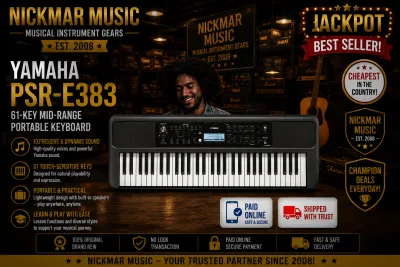
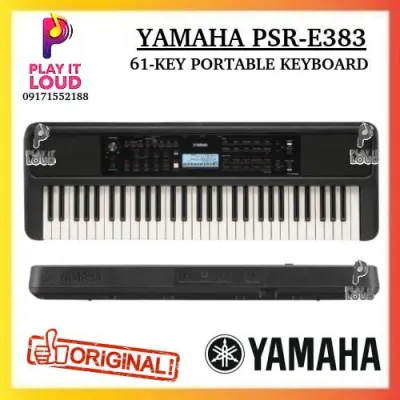
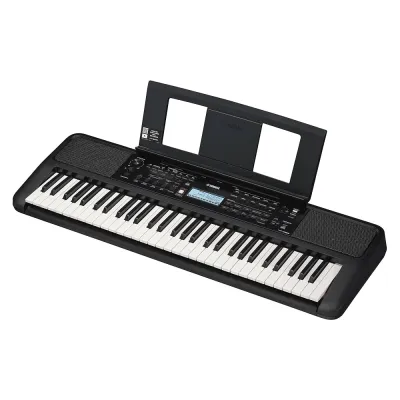
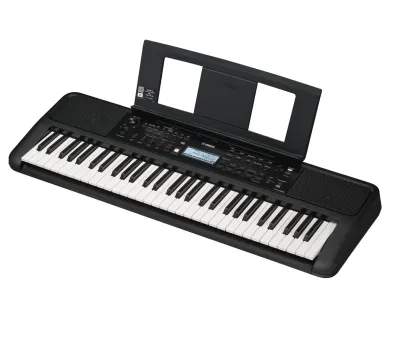
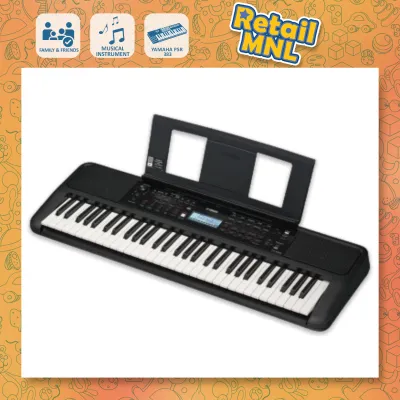
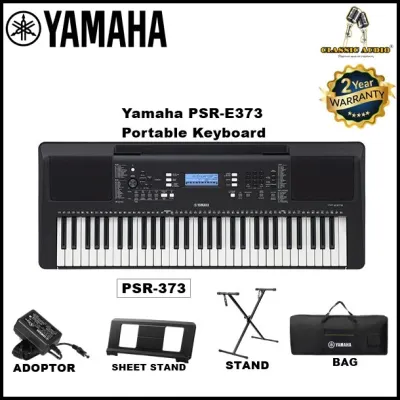
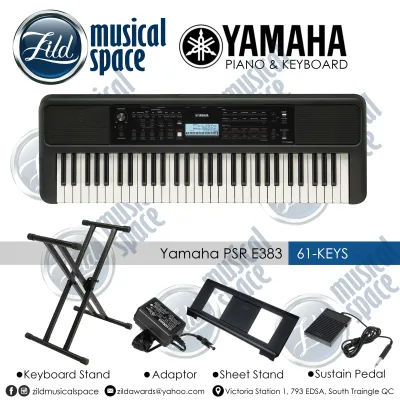
Prices are valid at publication and may change. Please refer to the product page for the latest price.
Connectivity options also dictate how well an instrument integrates into a modern workflow. A basic auxiliary input is no longer sufficient when you want to record your own arrangements or use software instruments. Look for a USB-to-Host port, which transmits both MIDI data and, in some advanced models, digital audio directly to a computer or tablet. This eliminates the need for an external audio interface when recording. Additionally, a USB-to-Device port allows you to plug in a flash drive to save your custom settings, user songs, or load external style files, which is highly beneficial for gigging or independent practice.
In tropical environments like the Philippines, physical durability and environmental resilience are equally important. High humidity and ambient dust can affect the internal contacts of a keyboard over time, leading to unresponsive keys or scratchy volume sliders. When evaluating intermediate keyboards, consider how easily the chassis can be protected with a dedicated dust cover and whether the keybed design minimizes open gaps where moisture and dust can settle. Investing in a robust instrument with sealed or well-protected internal components can prevent premature wear during the humid monsoon seasons.
Evaluating the Yamaha PSR-E383: How Its Specifications Fit Intermediate Practice
The Yamaha PSR-E383 is designed as a versatile portable keyboard, but intermediate players must carefully weigh its technical specifications against their actual practice demands. One of the primary specifications to verify is its 48-note polyphony limit. While 48 notes are generally sufficient for standard solo pieces and basic accompaniment, this limit can be pushed to its boundaries if you frequently use the dual-voice layering feature or play complex classical arrangements with heavy sustain pedaling. If your practice involves dense, multi-track songwriting directly on the keyboard, you will need to manage your voice selection carefully to avoid note dropouts.

The keyboard features 61 touch-sensitive keys, which provide a responsive feel for pop, jazz, and modern synth styles. This touch sensitivity allows you to transition from soft pianissimo passages to loud fortissimo chords based on your physical velocity. However, because these keys are unweighted, they do not offer the physical resistance needed to build the specific finger stamina required for classical acoustic pianos. If your primary intermediate goal is to master classical piano literature, you should view this keybed as a portable practice tool rather than a substitute for a weighted action instrument.
For those interested in live performance, busking, or home production, the PSR-E383 offers a wide array of built-in digital signal processing (DSP) effects and accompaniment styles. These features allow you to apply studio-style effects like reverb, chorus, and EQ directly to your keyboard voices, giving your performance a polished, professional sheen. The built-in auto-accompaniment styles act as a virtual backing band, which is excellent for practicing improvisation, timing, and chord progressions. However, intermediate players should ensure they do not rely solely on auto-accompaniment, as developing independent left-hand technique remains a cornerstone of advanced musicianship.
Comparing Alternatives: How to Evaluate Competing Keyboards in the Same Tier
When shopping for a keyboard in this price bracket, comparing models side-by-side requires looking past marketing buzzwords and focusing on verifiable technical data. Start by downloading the official user manuals or specification sheets for any competing models you are considering. Pay close attention to the maximum polyphony, the total number of built-in voices, and the amplifier output wattage. For instance, a keyboard with dual 2.5-watt speakers might struggle to fill a medium-sized living room without distorting, whereas a model with dual 6-watt speakers will offer cleaner, more robust sound projection for home practice.
Software integration and bundled accessories can also significantly alter the overall value of your purchase. Some manufacturers bundle their keyboards with complimentary access to interactive learning applications, downloadable songbooks, or entry-level digital audio workstation (DAW) software licenses. If you plan to connect your keyboard to an iPad or laptop for music production, a model that includes a built-in USB audio interface capability—allowing you to send digital audio directly through the USB cable—saves you the expense of buying external hardware.
Physical build quality and power options are final, practical points of comparison. If you plan to transport your keyboard to band rehearsals, church services, or outdoor gigs in the Philippines, the instrument’s weight and power flexibility are crucial. A lightweight chassis under five kilograms is highly portable, but you must verify if the plastic casing feels rigid enough to withstand regular transport. Additionally, check whether the keyboard can run on standard AA batteries for outdoor settings where electrical outlets are unavailable, and confirm whether the retail package actually includes the AC power adapter, as some regional bundles require you to purchase the power supply separately.
Feature Verification Checklist: What to Check Before You Buy
Before finalizing your purchase from an authorized local music store or an online marketplace, use this structured checklist to verify that the keyboard package meets your technical and practical requirements.
| Feature Category | What to Verify in the Specifications | Why It Matters for Intermediate Players |
|---|---|---|
| Key Action Type | Touch-sensitive (unweighted) vs. Semi-weighted vs. Fully weighted | Determines suitability for classical piano technique vs. portable synth playing. |
| Maximum Polyphony | 48 notes, 64 notes, or 128 notes | Prevents notes from cutting off during sustained chords and layered sounds. |
| Connectivity Ports | USB-to-Host (MIDI/Audio), USB-to-Device, Sustain Pedal Jack, Aux In | Ensures compatibility with computers, tablets, flash drives, and external pedals. |
| Included Accessories | AC Power Adapter, Music Stand, Owner's Manual, Bundled Software | Avoids unexpected extra costs; confirms if the power adapter is included in the box. |
It is highly recommended to verify the exact model suffix and regional warranty terms with your local distributor in the Philippines. Keyboard specifications, bundled accessories, and even power adapter compatibility can vary significantly depending on the specific production batch and the region for which the unit was manufactured. Ensure that the seller provides an official warranty that is serviceable by an authorized local repair center, protecting your investment against any unexpected electronic component issues.
Finally, always check the current retail prices in ₱ across multiple reputable local dealers rather than relying on outdated online listings. If possible, visit a physical showroom to test the keybed feel and speaker quality in person. Pressing the keys yourself, testing the resistance of the pitch bend wheel if available, and hearing the built-in piano voices through both the speakers and a pair of quality headphones will give you a much clearer understanding of the instrument’s true performance than any specification sheet can provide.
Making the Final Choice: Matching the Keyboard to Your Practice Goals
The decision to choose the Yamaha PSR-E383 or a competing model ultimately hinges on your primary musical objectives. If your intermediate practice focuses on exploring a vast library of diverse instrument sounds, experimenting with auto-accompaniment styles, and utilizing portable features for casual gigs or songwriting, the PSR-E383 is a highly capable tool. Its lightweight design and straightforward USB connectivity make it an excellent choice for players who value versatility, portability, and rapid workflow integration over heavy, piano-like key resistance.
Conversely, you should look toward alternative models if your intermediate goals are firmly rooted in classical piano training or advanced music production. If you are preparing for formal piano examinations or want to develop authentic acoustic piano dynamics, prioritize an alternative instrument that features a fully weighted, hammer-action keybed, even if it means sacrificing some of the portable arranger features and built-in sound effects. Similarly, if you plan to perform complex classical pieces with extensive pedaling, seeking an alternative with a higher polyphony limit of 64 or 128 notes will prevent frustrating note dropouts.
Before making your final choice, verify your specific technical requirements one last time. Confirm whether you need advanced MIDI routing capabilities, a dedicated stereo line output for connecting to external PA systems, or expanded local memory to import custom samples. By matching these precise technical specifications to your daily practice routine, you will select an instrument that not only supports your current skill level but also provides room for your musical abilities to grow for years to come.
Community discussion
Share your experience or ask a question. Comments are reviewed before publication.