
Selecting your first electronic keyboard is a pivotal step in your musical journey, but finding the right instrument requires looking beyond brand names. When comparing the Yamaha PSR-383 against similar keyboards in its class, there is no single universal winner for every beginner or hobbyist. The ideal choice depends entirely on your specific learning goals, your preferred practice environment, and the genres of music you want to explore. While the Yamaha PSR-383 provides a familiar interface and the reliable build quality associated with its brand, competing models in the same price bracket may offer different key actions, alternative learning app integrations, or distinct sound profiles.
In tropical environments like the Philippines, practical factors such as humidity resistance, power stability, and space constraints also play a major role in your decision. A keyboard that sits in a humid living room needs to have durable key contacts, and a household with frequent power fluctuations might require an instrument that runs reliably on both AC power and batteries. This guide establishes a clear, conditional framework to help you verify the technical specifications and features of these keyboards, ensuring you invest in an instrument that matches your musical aspirations and daily living conditions.
Core Specifications to Verify Before Choosing
Before committing to any keyboard, you must verify the physical characteristics of the keys, as this directly impacts your playing technique and hand strength development. Beginners should check whether a keyboard offers full-size keys or slightly smaller, space-saving keys. Full-size keys are essential if you plan to transition to an acoustic piano later, as they help build correct finger spacing and muscle memory. You should also confirm if the keys feature touch response, which allows the volume to change based on how hard or soft you press the keys. Synth-action keys are light and springy, making them excellent for fast organ or synthesizer passages, while semi-weighted keys offer more resistance to mimic the feel of an acoustic instrument.
Products mentioned in this guide
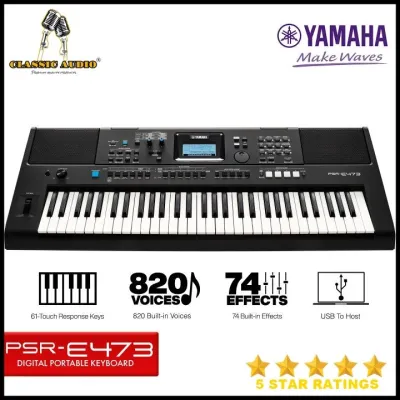
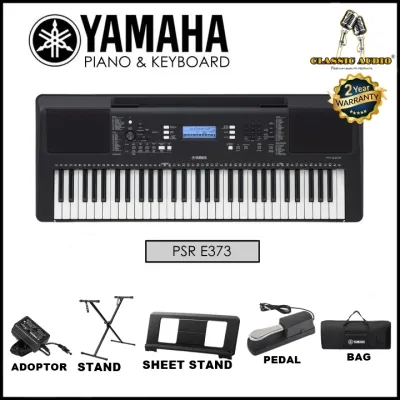
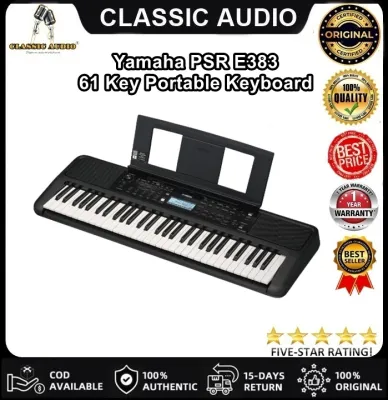
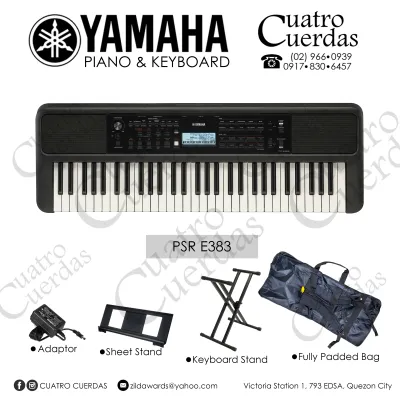
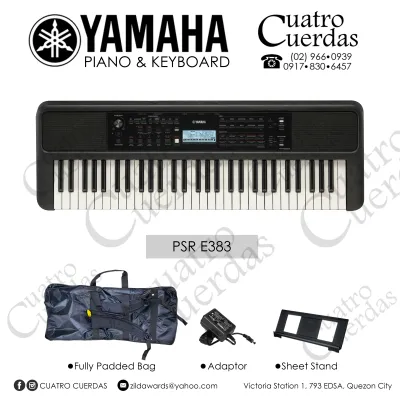
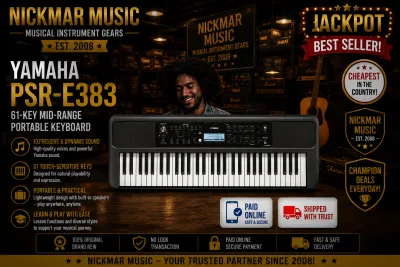
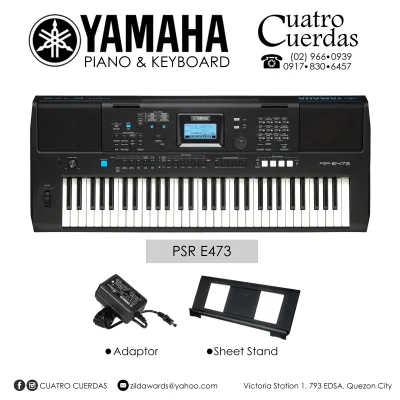
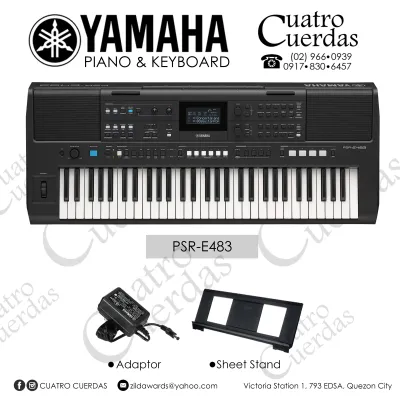
Prices are valid at publication and may change. Please refer to the product page for the latest price.
Another critical technical specification to check on the manufacturer’s official datasheet is the maximum polyphony count. Polyphony refers to the number of individual notes or voices the keyboard can sound simultaneously. For beginners playing simple melodies, a lower polyphony count of 32 notes may suffice, but as you progress to complex chords, sustain pedal usage, and multi-layered accompaniment styles, you will require a higher polyphony count, such as 48 or 64 notes. If the polyphony limit is too low, older sustained notes will cut off abruptly, which can disrupt your performance and hinder your ear training.
Finally, examine the physical audio connections on the back of the instrument to ensure compatibility with your intended setup. A standard quarter-inch or eighth-inch headphone jack is indispensable for silent practice, especially in shared living spaces or dense residential areas where loud noise might disturb neighbors. If you plan to perform in larger spaces, participate in church services, or connect to external speakers, verify whether the keyboard has dedicated line-out ports or if you must rely on the headphone jack for audio output. Additionally, check the USB connectivity options, specifically looking for a USB-to-Host port, which is necessary for transmitting MIDI data to computers or mobile devices.
Feature Comparison for Beginners and Hobbyists
The built-in software tools and learning features of a keyboard can significantly influence how quickly you progress and how engaged you remain during practice sessions. Many entry-level keyboards, including the Yamaha PSR-383, feature proprietary built-in lesson suites designed to teach basic fingerings, timing, and notation. You should compare these built-in systems with those of competing models to see which style matches your learning preferences. Some keyboards offer interactive lesson modes that wait for you to play the correct note before advancing, while others include visual guides on an LCD screen to show which keys to press.

For hobbyists who want to enjoy playing full-sounding arrangements without years of formal training, auto-accompaniment styles are a major selling point. These features allow you to play a simple chord with your left hand while the keyboard automatically generates a backing band of drums, bass, and rhythm instruments. When comparing models, check the variety of accompaniment styles available and verify if they include regional genres that interest you, such as local pop beats or traditional rhythms. Look for one-touch chord settings that simplify complex fingerings, allowing you to focus on playing the melody with your right hand.
The diversity and quality of the built-in sound library should also be verified on the official product specification sheet. Keyboards in this category typically offer hundreds of instrument voices, ranging from grand pianos and electric organs to brass, strings, and modern synthesizer leads. If you prefer classical music, prioritize models known for realistic acoustic piano samples; if you enjoy modern electronic music, look for a wider selection of drum kits, synth patches, and built-in digital effects like reverb and chorus. Always verify the sound engine specifications rather than relying on marketing descriptions, as the actual audio quality is determined by the sampling technology and the quality of the built-in stereo speakers.
Portability, Power, and Setup Requirements
The physical footprint and power requirements of your keyboard are crucial practical considerations, especially if you have limited space or need to transport the instrument frequently. Compare the overall dimensions and weight of the Yamaha PSR-383 against its competitors to evaluate how easily you can move it. A lightweight, compact keyboard is ideal for students who need to carry their instrument to weekly music lessons, band rehearsals, or community events. If you plan to store the keyboard in a closet or under a bed when not in use, ensure its weight allows for safe, easy handling without straining your back.
Power supply options are another vital factor to verify before making a purchase, particularly in regions where power outlets may not always be conveniently located. Check whether the keyboard package includes a compatible AC power adapter, as some retailers sell these separately. Additionally, confirm if the keyboard can run on standard AA or D-cell batteries, which provides the flexibility to play outdoors, during power outages, or in rooms without nearby wall outlets. Keep in mind that battery life varies significantly depending on the volume level and whether you are using power-intensive features like backlighting or external USB devices.
To avoid unexpected accessory costs, verify the compatibility of the keyboard with standard aftermarket hardware. Most portable keyboards feature mounting points on the bottom for specific stands, but they should also be compatible with universal X-stands or double-X stands for stability. Check the music rest design to ensure it can securely hold heavy printed songbooks or a tablet device if you use digital sheet music. Furthermore, verify if the keyboard accepts a standard quarter-inch sustain pedal, and check whether the pedal polarity can be switched, as incompatible polarities can cause the pedal to work in reverse, sustaining notes when released.
How to Decide: Matching the Keyboard to Your Goals
Making your final decision requires matching the verified specifications of each keyboard to your personal musical goals and budget. You should choose the Yamaha PSR-383 if you prefer a highly structured, traditional learning ecosystem and value a brand with a long-standing reputation for acoustic instrument sampling. This model is particularly suitable for beginners who want a reliable, straightforward user interface that allows them to access high-quality piano sounds and standard lesson functions quickly without navigating complex menus.
On the other hand, you should consider a competing model if your priorities lean toward modern digital integration or a specific physical feel. For instance, if you want to connect your keyboard to a tablet to use interactive third-party learning software, verify which models offer seamless USB-MIDI or Bluetooth MIDI connectivity. Some competitors may also offer semi-weighted keys that provide a closer approximation of an acoustic piano’s resistance, which is highly beneficial if your primary goal is to transition to classical piano playing. Always check the exact software compatibility lists on the manufacturer’s website to ensure your mobile device’s operating system is fully supported.
Before finalizing your purchase from an authorized local music store or a verified online marketplace, create a checklist of your must-have features. If you live in a high-humidity coastal area in the Philippines, consider purchasing a fitted dust cover to protect the internal key contacts from moisture and dust accumulation when the instrument is idle. Compare the total cost of ownership, including the keyboard, which typically fits into entry-level budgets of around ₱10,000 to ₱18,000 depending on local retail promotions, along with a sturdy stand, a comfortable bench, a sustain pedal, and quality headphones. By focusing on verifiable specifications and your specific daily practice habits, you will select the keyboard that offers the best long-term value for your musical development.
Frequently Asked Questions (FAQ)
Is the Yamaha PSR-383 suitable for advanced classical piano students?
No, the Yamaha PSR-383 and similar entry-level keyboards are generally not suitable for advanced classical piano students. Advanced classical repertoire requires a full range of 88 keys to play the complete span of notes written by classical composers, whereas these portable models typically feature only 61 keys. Furthermore, classical training demands fully weighted hammer-action keys to develop the necessary finger strength, control, and dynamic expression. Advanced students should look for digital pianos with graded hammer action and a high polyphony count of 128 or 256 notes to prevent sustained notes from cutting off during complex, rapid passages.
Can I connect these keyboards to third-party learning apps?
Yes, but you must verify the specific connectivity options on the manufacturer’s official specification sheet before purchasing. Most modern keyboards in this category feature a USB-to-Host port, which allows you to connect the instrument to a computer, tablet, or smartphone using a compatible USB cable or adapter. This connection enables the keyboard to send and receive MIDI data, allowing you to use interactive educational software, digital sheet music apps, and music production programs. However, some apps require specific operating system versions or proprietary drivers, so always check the app developer’s compatibility list to ensure your device and keyboard will work together seamlessly.

Community discussion
Share your experience or ask a question. Comments are reviewed before publication.