
Quick Answer: Is the Yamaha F310 Good for Beginners?
Deciding on a first instrument can feel overwhelming, but the Yamaha F310 consistently stands out as a practical, highly reliable entry-level acoustic guitar. It is designed to offer a balance of durable construction, comfortable playability, and an accessible price point, typically positioning it in the affordable budget tier. While it utilizes laminate woods rather than premium solid woods—which naturally limits its tonal depth—the resulting structural stability makes it an incredibly safe choice for learners. Rather than chasing high-end boutique features, this model focuses on structural consistency, ensuring that your early practice sessions are free from unnecessary technical frustrations.
Key Yamaha F310 Specifications Decoded
To understand why this model remains a staple in music classrooms and homes, it helps to break down the technical specifications. Looking past the marketing terms reveals how each design choice directly impacts your daily practice.

Body Shape and Dimensions
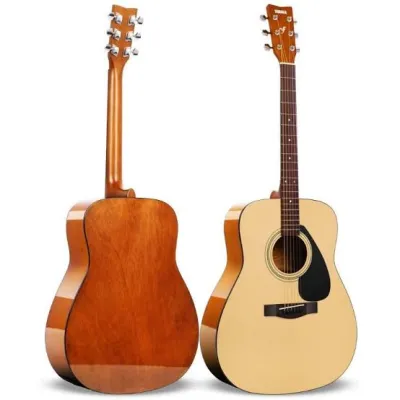
The Yamaha F310 features a traditional western body shape, which is closely related to the classic dreadnought design. This body style is highly regarded for producing a balanced, full-bodied acoustic sound with excellent natural projection, making it the standard choice for most acoustic music genres. However, because a dreadnought body is relatively large and deep, it can feel slightly bulky or cumbersome for very young learners, children, or petite players. When choosing this instrument, consider your physical comfort and arm reach to ensure you can comfortably drape your strumming arm over the lower bout without straining your shoulder.
Products mentioned in this guide



Prices are valid at publication and may change. Please refer to the product page for the latest price.
Tonewoods and Construction (Laminate vs. Solid)
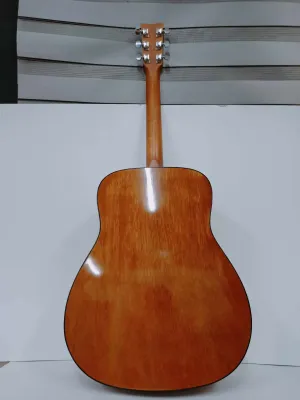
In terms of materials, the F310 is constructed with a laminate spruce top paired with laminate meranti back and sides. While solid wood tops are prized for their rich resonance and ability to improve in tone as they age, laminate construction offers a distinct practical advantage for everyday players. Laminate wood consists of multiple thin layers of wood pressed together, making it highly durable and exceptionally resistant to environmental changes. In tropical climates like the Philippines, where high humidity and temperature fluctuations are common, solid wood guitars can easily warp, crack, or suffer from lifting bridges. The F310’s laminate build provides peace of mind, requiring far less strict climate control and maintenance to stay structurally sound.
Neck, Fretboard, and Hardware
The neck is crafted from nato wood, featuring a comfortable, slim profile designed to accommodate smaller hands and help beginners form clean chord shapes. For the fingerboard, Yamaha typically utilizes rosewood or durable composite alternatives depending on the specific production year and regional material regulations. The hardware includes covered die-cast tuning machines, which shield the internal gears from dust and moisture. This basic but reliable hardware setup provides stable tuning retention, meaning you will spend more time practicing your scales and chords and less time constantly retuning slipping strings.
How the F310's Specs Translate to Playability and Sound
Understanding the raw specifications is only the first step; the real test is how those materials perform when you sit down to play. A guitar’s physical setup and sonic characteristics dictate whether you look forward to practicing or find yourself putting the instrument away in frustration.
One crucial factor for beginners is the “action,” which refers to the height of the strings above the fretboard. Factory setups on mass-produced, budget-friendly acoustic guitars can sometimes feature slightly high action, requiring more finger pressure to press the strings down cleanly. If you find your fingers fatiguing quickly or struggle to get chords to ring out without buzzing, a basic professional setup can make a world of difference. Having a local guitar technician adjust the truss rod inside the neck and slightly sand down the bridge saddle will lower the action, transforming the overall playability of the instrument.
Sonically, the F310 delivers a bright, articulate, and clear sound profile. It produces plenty of volume for bedroom practice, casual outdoor strumming, or accompanying your own vocals. While it lacks the deep, warm bass response and complex harmonic overtones found in premium solid-wood guitars, this trade-off is entirely normal and expected at this price point. The clarity of the laminate spruce top actually works to a beginner’s benefit, as it makes individual notes in a chord easy to distinguish, helping you identify and correct mistakes early on.
For a first-time player, many high-end specifications simply do not matter. Features like premium bone nuts, intricate wood binding, or complex hand-scalloped internal bracing patterns add significant cost without offering a noticeable benefit to someone still learning basic open chords. The F310 strips away these costly cosmetic and acoustic refinements, focusing instead on a straight-to-the-point design that delivers exactly what you need to build a solid musical foundation.
What to Verify Before You Start Playing
Before you purchase or begin playing any new guitar, conducting a quick physical inspection is essential to ensure the instrument is safe, comfortable, and free of manufacturing defects. Always start by checking the manufacturer’s care instructions and any included documentation for specific handling guidelines.
Use this straightforward checklist to inspect your instrument:
- Check the neck alignment: Sight down the edge of the neck from the headstock to the body to ensure it is relatively straight, without any severe upward or downward bowing.
- Feel the fret edges: Run your fingers gently along the top and bottom edges of the fretboard. The metal fret wires should feel smooth and flush with the wood, rather than sharp or protruding, which can cause discomfort or minor cuts during play.
- Test the tuning pegs: Turn each tuning machine slowly in both directions to verify that the gears turn smoothly without slipping, sticking, or feeling excessively loose.
- Inspect the body seams: Examine the joints where the top, back, and sides meet, looking for any visible cracks, gaps, or signs of glue separation.
If you notice any significant structural issues, sharp frets, or if the guitar requires adjustments that go beyond basic tuning, stop and consult a qualified guitar technician or your local authorized music store. Attempting to force adjustments yourself without proper tools can damage the wood or void your warranty.
Frequently Asked Questions (FAQ)
Does the Yamaha F310 come with a built-in pickup for amplification?
The standard Yamaha F310 is a purely acoustic instrument and does not feature any built-in electronics, preamps, or pickup systems. If you plan to perform live on stage, plug into an amplifier, or connect directly to a PA system, you will need to purchase an aftermarket magnetic or piezoelectric soundhole pickup. Alternatively, players who require built-in amplification from day one should explore dedicated acoustic-electric models within Yamaha’s lineup.
What size strings should I use for the Yamaha F310?
The F310 typically comes strung from the factory with light or custom light gauge steel strings (often .012–.053 or .011–.052). It is highly recommended to stick to these lighter gauges for your first few string changes, as they exert less tension on the neck and bridge while remaining easier on beginner fingers. Always consult the manufacturer’s manual or a professional guitar technician before switching to significantly heavier string gauges, as a heavier tension will require a truss rod adjustment to prevent the neck from bowing.
Community discussion
Share your experience or ask a question. Comments are reviewed before publication.