
Choosing between an entry-level and a mid-range Yamaha 88-key keyboard for home practice comes down to how you balance your current playing skills, your physical living space, and your budget. Entry-level models focus on providing the essential weighted keys and core grand piano sounds needed to build foundational habits without a massive upfront investment. In contrast, mid-range instruments introduce more sophisticated key actions, multi-layered sound engines, and robust cabinet designs that closely mimic the physical presence of an acoustic piano. For most beginners in the Philippines, starting with an entry-level keyboard offers a highly portable and cost-effective way to learn, while intermediate players or those committed to long-term classical training will find the expressive depth of a mid-range model indispensable.
Understanding Yamaha's 88-Key Tiers for Home Use
Yamaha’s lineup of 88-key instruments is structured to serve different stages of a musician’s journey, making it essential to understand what each tier prioritizes. Entry-level 88-key keyboards are designed primarily for portability, simplicity, and accessibility. These models usually feature lightweight plastic chassis, basic slab-style designs, and a streamlined selection of sounds. They are easy to move around a home, pack away when not in use, or set up on a temporary stand in a compact apartment or condominium. The focus here is on giving you a full-sized keyboard layout with enough resistance to practice basic pieces without overwhelming you with complex menus.
Mid-range models shift the focus toward authentic acoustic emulation and structural permanence. Many of these instruments are designed as furniture-style digital pianos, complete with integrated wooden stands, three-pedal units, and sliding key covers. They are built to occupy a dedicated practice corner in your living room, serving as both a musical instrument and a piece of home decor. Internally, mid-range models carry more advanced processors dedicated to recreating the acoustic anomalies of a physical piano, such as sympathetic string resonance and key-off samples. Because product lines, naming conventions, and features receive periodic updates, you should always verify the exact model generation and specifications on the official manufacturer website before making a final decision.
Products mentioned in this guide
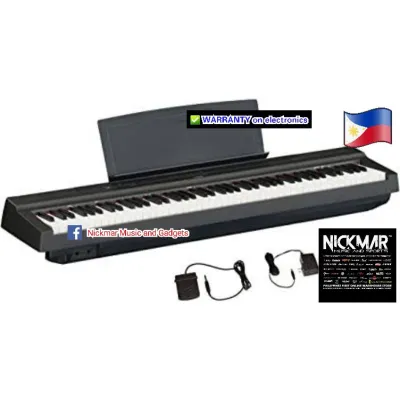
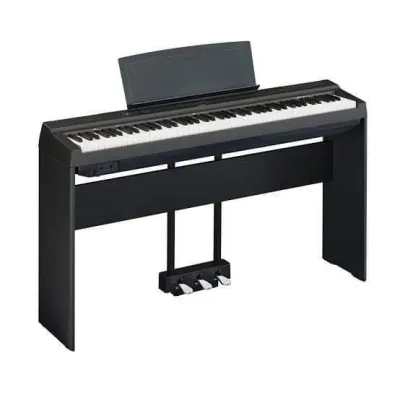
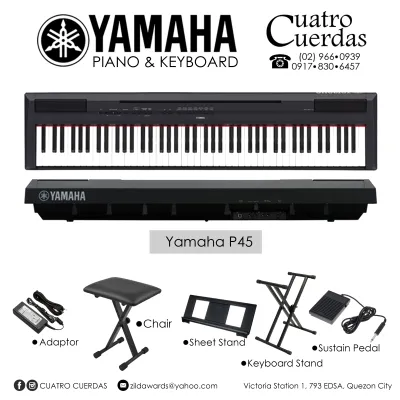
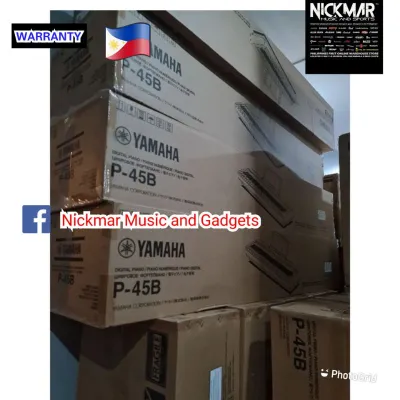
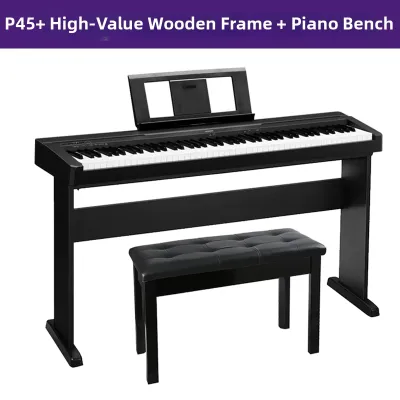
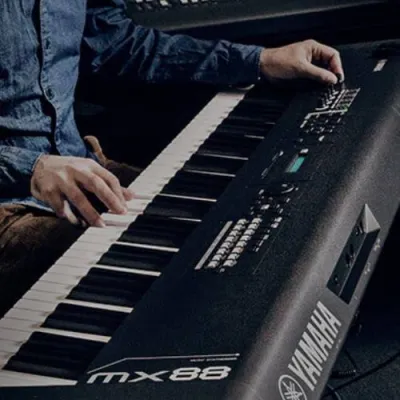
Prices are valid at publication and may change. Please refer to the product page for the latest price.
Key Action and Playability: Finding the Right Feel
The physical feel of the keys is the most critical factor in how an instrument supports your technical development. Entry-level Yamaha 88-key keyboards typically utilize standard weighted actions, such as the Graded Hammer Standard mechanism. This design mimics an acoustic piano by making the keys in the lower register feel heavier than those in the higher register. For beginners, this level of resistance is highly beneficial for building foundational finger strength and learning how to control basic dynamics. However, the key pivot point on entry-level models is often shorter, which can make playing deep into the black keys feel slightly stiffer.

When you step up to the mid-range tier, you encounter upgraded key mechanisms designed for highly nuanced classical and jazz repertoire. These actions often feature longer key pivots, synthetic ivory or ebony keytops that absorb moisture during long practice sessions in warm tropical climates, and triple-sensor systems. The additional sensors allow for faster note repetition without fully releasing the key, which is essential for advanced techniques like trills and rapid scale passages. Some mid-range models also simulate the subtle escapement feel of an acoustic grand piano action. If your daily practice consists of complex classical pieces, the dynamic control offered by a mid-range action is necessary; if you are primarily playing basic pop chords, synth leads, or casual accompaniment, an entry-level weighted action will serve you perfectly well.
Sound Quality and Polyphony: What You Will Hear
The sonic experience of practicing at home is shaped by the keyboard’s sound engine, polyphony limit, and speaker configuration. Entry-level models generally feature standard stereo sampling of a concert grand piano, paired with a modest polyphony limit, such as 64 or 128 notes. Polyphony refers to the maximum number of individual notes or voices the keyboard can sound simultaneously. When you practice complex classical pieces with heavy sustain pedal usage, an entry-level keyboard with lower polyphony may cut off earlier notes abruptly to make room for new ones. While this is rarely noticeable for beginners, it becomes a limitation as your pedaling technique matures.
Mid-range keyboards address this by offering higher polyphony limits—often 192 or 256 notes—alongside advanced sound engines that incorporate multi-layer sampling. Instead of just playing a louder version of the same recording when you strike a key harder, mid-range engines trigger entirely different sample layers captured at various dynamic levels. They also simulate acoustic phenomena like string resonance, damper resonance, and key-off sounds, creating a much richer and more organic acoustic environment. Furthermore, mid-range models feature larger, more powerful built-in amplifiers and speakers, which deliver a fuller bass response and clearer highs. To truly evaluate the quality of these sound engines without the physical limitations of small built-in speakers, it is highly recommended to test both tiers using a high-quality pair of studio headphones.
Connectivity and Practice Tools for Daily Use
Modern digital keyboards offer a variety of built-in tools designed to make daily home practice more engaging and productive. Both entry-level and mid-range tiers include standard features like a built-in metronome, basic transpose functions, and a simple one-track MIDI recorder to capture and review your performances. However, mid-range models often expand on these tools by offering multi-track recording, allowing you to record a left-hand part and a right-hand part separately, or even layer different instrument voices to practice playing along with an accompaniment.
Connectivity is another area where the two tiers diverge. While almost all modern Yamaha 88-key keyboards feature a USB-to-Host port for connecting to a computer or tablet, mid-range models are more likely to include built-in Bluetooth audio and MIDI capabilities. Bluetooth audio allows you to stream backing tracks or lesson videos directly from your smartphone through the keyboard’s superior speakers, while Bluetooth MIDI lets you connect wirelessly to interactive learning apps. When planning your setup, always check the manufacturer’s specifications to confirm what cables, adapters, or specific operating system versions are required to connect your smart devices to your chosen keyboard model.
How to Choose the Right Tier for Your Practice
Selecting the ideal keyboard tier requires matching the instrument’s capabilities to your specific living conditions, musical goals, and budget. If you are a beginner taking your first steps, have limited floor space in your home, or need to adhere to a strict budget in ₱ for your first instrument, an entry-level 88-key keyboard is the most practical choice. Its lightweight design allows you to move it easily, and its core weighted action provides the necessary physical feedback to learn proper finger technique without paying for advanced features you may not yet need.
On the other hand, you should invest in a mid-range model if you are an intermediate player transitioning to more expressive classical or jazz pieces, or if you want a dedicated, permanent practice station. The superior key action, higher polyphony, and multi-layered sound engines of the mid-range tier will prevent you from outgrowing the instrument within a few years. Additionally, the robust cabinet designs and more powerful speaker systems of mid-range models provide a highly satisfying, room-filling acoustic experience that encourages longer practice sessions. If you remain unsure about which key touch feels right to you, visit a local music showroom to test the physical actions side by side, or carefully consult the official specification sheets to compare the exact keyboard mechanism names.
Frequently Asked Questions (FAQ)
Do I need an external amplifier for home practice?
No, you generally do not need an external amplifier for daily home practice. Both entry-level and mid-range Yamaha 88-key keyboards come equipped with built-in speakers that are specifically designed to fill a small to medium-sized room with clear sound. However, if you plan to perform in larger living spaces, play alongside acoustic drums, or require highly critical audio monitoring for recording purposes, connecting your keyboard to external studio monitors or a dedicated keyboard amplifier can significantly enhance your sound projection and clarity.
Can I use these keyboards with music learning apps?
Yes, both entry-level and mid-range models can be used with popular music learning and interactive sheet music apps. Most modern keyboards support this integration via a standard USB-to-Host connection or wireless Bluetooth MIDI. To ensure a seamless setup, always verify the hardware compatibility list of the specific app you plan to use, and check if you need to purchase additional adapters, such as a USB-to-device adapter, to connect the keyboard to your specific tablet or smartphone.

Community discussion
Share your experience or ask a question. Comments are reviewed before publication.