
For book collectors in the Philippines, deciding which physical edition of When the Moon Hatched to add to your shelves is a balance of aesthetic appeal, budget, and long-term durability. Sarah A. Parker’s sweeping fantasy novel has captured the attention of readers worldwide, resulting in several distinct printings ranging from accessible trade paperbacks to highly sought-after deluxe hardcovers. If your primary goal is simply to experience the story, a standard paperback offers excellent value. However, if you are building a curated library where shelf presence, intricate cover art, and premium finishes matter, investing in a hardcover or a limited special edition is the superior choice.
To make an informed purchase, you must evaluate the specific physical attributes of each release alongside the practical challenges of sourcing and preserving books in a tropical environment. This guide breaks down the defining characteristics of the available editions, provides clear strategies for verifying authenticity, and offers actionable preservation tips tailored to local climate conditions.
Defining Collectible Value for Book Lovers
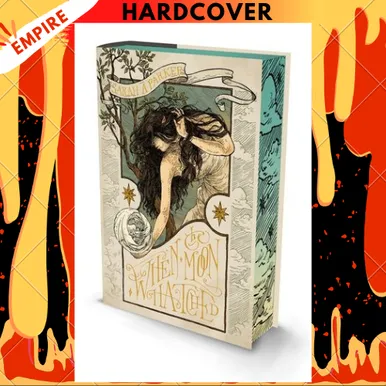
When evaluating the collectible value of a physical book, experienced collectors look far beyond the text itself. The physical construction of the volume serves as the primary indicator of its long-term worth and aesthetic appeal. Key structural elements include the binding type—specifically whether the book features a durable smyth-sewn binding or a less robust glued spine—as well as the quality of the paper stock. For fantasy releases like when the moon hatched, visual embellishments play an incredibly significant role. Features such as custom-designed sprayed or stenciled edges, foil stamping on the hardback casing, and beautifully illustrated endpapers immediately elevate a book from a simple reading copy to a display-worthy art piece.
Products mentioned in this guide
![[Audible and ebook in CDs] When the Moon Hatched A Novel](https://img.lazcdn.com/g/p/596eac91e4391c35cb6e8f6163bfb2ca.jpg_400x400q80.jpg_.webp)
Prices are valid at publication and may change. Please refer to the product page for the latest price.
Beyond aesthetics, the presence of exclusive content is a major driver of collectible value. Publishers frequently entice collectors by including bonus chapters, character artwork, detailed maps, or personal notes from the author that are omitted from standard print runs. These additions provide a deeper connection to the narrative world and ensure the edition remains unique. When deciding which version to purchase, you must also consider your personal library goals. Some collectors prioritize uniform shelf aesthetics, preferring standard commercial hardcovers that match the height and style of other fantasy series. Others seek out standalone, highly stylized special editions that serve as individual centerpieces, even if they deviate from the design of surrounding volumes. Balancing these visual preferences against the practicalities of cost and availability is the first step in making an informed acquisition.
Comparing Available Physical Editions of When the Moon Hatched
To make the right choice for your collection, it is essential to understand the structural and design differences among the various formats currently circulating in the global and local markets.

Standard Paperback Editions
Standard trade paperbacks represent the most accessible entry point for readers in the Philippines. Typically priced between ₱600 and ₱900, these editions are widely distributed and easy to find at major local retailers. They are lightweight, flexible, and highly practical for daily reading on commutes or during travel. For collectors, a clean paperback copy can serve a vital practical purpose: it acts as a dedicated “reading copy,” allowing you to enjoy the physical text without risking damage to a pristine, more expensive hardcover sitting safely on your display shelf.
However, paperbacks carry significant limitations for serious, long-term preservation. The soft covers are highly susceptible to creasing along the spine, corner curling, and edge wear from routine handling. The paper stock used in standard paperbacks is often more acidic, meaning the pages are highly prone to yellowing and becoming brittle over time, especially when exposed to the ambient humidity of a tropical climate. Furthermore, these editions lack the premium design features—such as foil accents, illustrated endpapers, or decorated edges—that define high-value book collections. If your goal is to own an edition that retains its physical integrity and visual appeal for decades, the standard paperback is best kept as a utility copy rather than the crown jewel of your library.
Hardcover and Premium Editions
Standard commercial hardcovers offer a significant upgrade in durability and shelf presence, making them the baseline standard for serious collectors. These editions feature rigid cardboard covers wrapped in paper or cloth, often accompanied by a protective dust jacket that showcases detailed cover art. Beneath the dust jacket, the physical boards frequently feature subtle foil stamping or embossed designs that add a layer of sophistication. From a structural standpoint, hardcovers are built to last; they utilize stronger bindings that prevent pages from loosening and are constructed with higher-grade, acid-free paper that resists yellowing.
In the Philippines, standard hardcovers generally retail between ₱1,500 and ₱2,200. While they require a larger initial investment than paperbacks, they offer superior longevity and maintain their condition exceptionally well under normal reading and storage conditions. The rigid spine prevents creasing, and the dust jacket can be easily protected with an archival plastic cover to shield it from oils, dust, and minor scuffs. For collectors who want a beautiful, durable book that looks impressive on a shelf without paying the extreme premiums associated with limited-run printings, the standard commercial hardcover represents the most balanced and reliable option.
Special, Signed, or Exclusive Retailer Editions
At the pinnacle of book collecting are the limited, signed, or exclusive retailer editions. These versions are produced in restricted quantities by specialty book boxes or as exclusive promotional runs for major international booksellers. They are characterized by breathtaking visual modifications, including elaborately stenciled or digitally sprayed page edges, completely redesigned cover art, foil-printed designs directly on the hard boards, and custom endpapers featuring character illustrations. Many of these premium releases also feature the author’s physical signature or a digitally printed signature page, along with exclusive bonus chapters or author letters.
Acquiring these exclusive editions in the Philippines presents unique challenges that require careful planning and a higher budget. Because local bookstores rarely receive direct allocations of these highly limited runs, collectors must often rely on international shipping, which can easily double the cost of the book. A special edition that retails for ₱2,000 internationally can ultimately cost between ₱3,500 and ₱6,000 once import fees, freight forwarding, and local delivery charges are factored in. Additionally, collectors must actively monitor pre-order windows and release dates, as these editions frequently sell out within minutes. When deciding if a special edition is worth the premium, carefully weigh the rarity and unique visual features against the total cost of acquisition. If the specific aesthetic design or exclusive content deeply resonates with your love for the story, the investment can be highly rewarding; otherwise, a standard hardcover remains a highly respectable alternative.
Sourcing Authentic Copies in the Philippines
Navigating the book market in the Philippines requires vigilance, as the market is flooded with unauthorized reprints and counterfeit copies. To ensure your investment holds its value and directly supports the author, it is crucial to purchase only authentic, licensed editions from verified sources. Before finalizing any purchase, always verify the specific edition, language, medium, regional restrictions, and content completeness. Never infer the exact contents or quality of an edition solely from an online product title or cover image, as unauthorized sellers frequently use official promotional photos to market low-quality counterfeits.
For physical, brick-and-mortar shopping, major local bookstore chains like Fully Booked are the most reliable channels for sourcing official imports. These established retailers deal directly with international publishers, ensuring that every hardcover or paperback on their shelves is a genuine, high-quality printing. If a specific edition of when the moon hatched is not currently in stock at your local branch, you can often request a special order or check their centralized online inventory. National Book Store also carries official local distributions and select imports, making it another viable option for checking physical copies in person before buying.
When shopping on major e-commerce platforms, extra caution is necessary. To avoid accidentally purchasing a pirated copy, strictly limit your shopping to official publisher storefronts, verified mall sellers, or highly rated, well-known independent local bookshops that have established reputations within the local book community. Avoid third-party sellers with generic store names, minimal follower counts, or listings that feature a mix of unrelated products. If a listing for a hardcover edition is priced unbelievably low—such as ₱150 to ₱300 when the standard retail price is closer to ₱1,800—it is almost certainly an unauthorized counterfeit.
Identifying a pirated edition involves inspecting several physical red flags:
- Paper Quality: Counterfeit books are typically printed on cheap, thin paper that allows text from the reverse side to bleed through clearly, severely hindering readability.
- Print Resolution: The cover images are often low-resolution scans of original designs, resulting in blurry text, pixelated graphics, and distorted colors.
- Binding and Spine: Inspect the spine and binding; pirated copies are almost always poorly glued, with visible glue seeping onto the pages, and they tend to emit a strong, chemical smell rather than the clean scent of standard paper.
- Copyright Page: Check the copyright page; counterfeits often feature missing, scrambled, or poorly formatted copyright information, incorrect fonts, or misaligned margins.
Investing a bit more to secure an authentic copy from a trusted seller guarantees a durable, beautiful book that will remain a valuable part of your collection for years to come.
Preserving Your Books in a Tropical Climate
The tropical climate of the Philippines presents distinct environmental challenges for book preservation. High relative humidity, elevated average temperatures, and seasonal weather shifts can rapidly degrade physical books if they are left unprotected. Paper is highly hygroscopic, meaning it readily absorbs moisture from the surrounding air. In high-humidity environments, this moisture absorption leads to paper warping, cockling, and the acceleration of acid decay, which causes pages to turn yellow and brittle. Even more concerning is the risk of mold and mildew growth, which can permanently stain pages and spread quickly across an entire bookshelf.
To protect your valuable editions, implement stable, reversible preservation methods that focus on environmental control. First, position your bookshelves away from direct sunlight, as ultraviolet rays cause rapid fading of cover art, dust jackets, and sprayed edges. Ensure there is adequate air circulation around your books; avoid packing them too tightly on the shelves, as tight packing traps moisture and creates stagnant air pockets that encourage mold growth. Leaving a small gap between the backs of the books and the wall also helps prevent moisture from transferring from concrete walls to your collection.
For active moisture management, utilizing silica gel packets is a highly effective and low-risk strategy. Place several high-quality silica gel packets behind the books on your shelves or inside enclosed glass display cabinets to help absorb localized moisture. If you use specialty preservation products, such as leather conditioners for premium bindings or archival protective sprays, always check the product’s label and the book manufacturer’s care instructions first to ensure compatibility. If instructions conflict, the item is unidentified, or the use is not covered, stop and consult the manufacturer or a qualified professional.
For highly valuable collections, running a dehumidifier in your library or book room is the most reliable way to maintain a stable relative humidity level (ideally between 40% and 55%). Regularly dusting your books with a clean, dry microfiber cloth and gently flipping the pages every few months will also disrupt dust accumulation and deter common pests like booklice and silverfish, keeping your collection in pristine condition.
Frequently Asked Questions (FAQ)
How can I tell if my copy is a pirated edition?
You can identify an unauthorized reprint by examining its physical construction. Authentic editions feature crisp, high-resolution cover printing, thick paper with minimal text bleed-through, and clean, durable binding. In contrast, pirated copies often have pixelated or blurry cover art, thin gray-toned paper, messy glue visible along the spine, and a strong chemical odor. Additionally, check the copyright page and margins; counterfeits frequently contain typos, misaligned text blocks, or completely omitted publisher details.
Do exclusive retailer editions include different bonus content?
Yes, some exclusive retailer editions do include unique textual content, such as bonus chapters, character points of view, or letters from the author. However, this is not universal; many special editions differ only in their physical aesthetics, such as featuring sprayed edges, alternative cover designs, or custom endpapers. To avoid disappointment, always verify the exact content specifications on the official publisher’s or retailer’s product description page before purchasing, as cover designs alone do not guarantee extra written material.
Community discussion
Share your experience or ask a question. Comments are reviewed before publication.