
Choosing the right UNIS album version depends entirely on your primary collection goals—whether you prioritize collecting specific member photocards, displaying premium physical packaging, or saving shelf space. Because exact configurations change with every comeback, this guide breaks down the standard K-Pop album formats and provides a decision framework to help you compare inclusions, verify authenticity, and select the best option for your collection.
As a rising force in the K-Pop scene, UNIS releases their music in multiple physical and digital formats to cater to different types of fans. For collectors in the Philippines, navigating these options requires balancing the excitement of random photocard “pulls” against practical considerations like shipping costs and tropical storage conditions. Understanding the structural and functional differences between these versions ensures you get the most value out of your purchase.
Understanding Common UNIS Album Formats
Standard or Box versions represent the traditional, premium physical release. These packages are typically housed in a sturdy outer box or a thick slipcase, measuring several inches in both width and height. Inside, you will find a substantial, high-quality photo booklet printed on heavy paper, a physical CD, and a generous assortment of random paper inclusions. The primary appeal of the Standard version is its tactile, collectible nature, making it the centerpiece of any physical music shelf.
Products mentioned in this guide
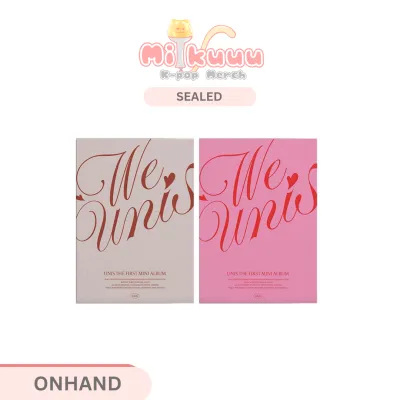
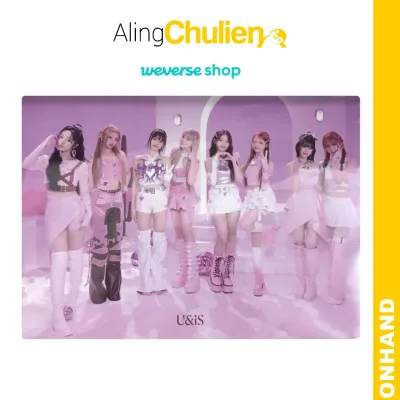

Prices are valid at publication and may change. Please refer to the product page for the latest price.
Digipack or Jewel case versions offer a more compact and budget-friendly alternative. These formats are usually sized similarly to a standard CD case and feature a simplified layout. Instead of a massive photobook, they contain a smaller, stapled booklet that often focuses on a specific member or a distinct visual concept from the comeback. Because they are lighter and smaller, they are highly accessible for fans who want to support the group physically without committing to a large box set.
Platform or Digital versions (such as Nemo, KiT, or PLVE formats) represent the modern, eco-friendly shift in K-Pop collecting. These versions do not contain a physical CD or a traditional paper photobook. Instead, they are packaged in a small, card-sized box containing a QR card or an NFC-enabled chip. By scanning this card with a smartphone app, you gain access to digital music tracks, exclusive digital photos, and video content. Despite the lack of physical media, platform versions remain highly popular because they still include physical photocards.
Comparing Inclusions and Photocard Configurations
Photocard distribution is often the deciding factor for dedicated collectors. Standard album versions typically feature a wider pool of random photocards, meaning you might receive cards featuring any of the eight UNIS members. Because standard albums usually contain multiple cards per box, they offer a thrilling unboxing experience but make targeting a specific favorite member highly challenging without trading with other fans.

In contrast, Digipack versions are frequently member-specific. When you purchase a particular member’s digipack cover, the internal inclusions—especially the photocards—are often heavily weighted toward or exclusively feature that specific member. This makes digipacks an efficient choice if you only collect cards for one or two specific members of the group. Platform versions, while compact, also contain a set of physical photocards, sometimes offering a complete set of cards or a specific subset that differs visually from the standard album prints.
Beyond photocards, standard versions are packed with exclusive physical extras that do not fit into smaller formats. These can include mini posters, sticker sheets, postcard sets, film strips, and ID cards. To understand exactly what each version contains before making a purchase, always verify the official album details. You can do this by checking the official tracklists and inclusion maps released on the group’s social media channels, watching unboxing videos from trusted creators, or reading the detailed product descriptions provided by verified retailers.
Packaging, Display, and Storage Considerations
The physical footprint of your collection is an important practical consideration. Standard box sets look impressive when lined up on a shelf, but they require significant physical space and can quickly clutter a small room. Digipacks and jewel cases stack neatly and take up minimal room, while platform albums are so compact that an entire comeback’s worth of digital versions can easily fit inside a single drawer or a small storage box.
Display potential also varies widely across these formats. Standard albums allow you to prop open beautiful, large-format photobooks on a display stand, showcasing high-concept photography. Digipacks can be displayed face-out to highlight your favorite member’s cover art. For platform versions, the focus is almost entirely on card display; the physical cards are ideal for arranging in standard pocket binders or displaying in acrylic frames on your desk.
For collectors in the Philippines, shipping and environmental factors play a massive role in the total cost and longevity of the album. Heavy standard box sets incur higher local shipping fees, which are calculated by weight and volume. Furthermore, the tropical climate and high humidity can easily damage physical albums over time. High moisture levels can cause thick photobook pages to warp, stick together, or develop mold, and can cause photocards to bend. To protect your investment, store your albums in a cool, dry place away from direct sunlight, use acid-free plastic sleeves for all photocards, and place silica gel packs inside your storage shelves or binders.
Verifying Authenticity and Choosing Reliable Retailers
With the rise of online marketplaces, ensuring you receive a genuine, official UNIS album is crucial. Every official K-Pop album features a gold or silver KOMCA (Korea Music Copyright Association) hologram sticker on the back of the packaging. This sticker reflects light in a specific pattern and contains a unique serial number that verifies the album is authentic and that royalties have been paid. Additionally, check for official publisher logos and ensure the shrink wrap is completely intact and tight around the corners.
Be highly vigilant when browsing listings on e-commerce platforms. Many sellers offer “unsealed” or “photocard-only” options. While these listings are cheaper, they mean the seller has already opened the album, extracted the highly sought-after random photocards, and is selling the remaining “empty” album shell, photobook, and CD. If you want the authentic experience of pulling your own random cards, always look for listings explicitly marked as “sealed” and avoid deals that seem too cheap to be true.
To guarantee authenticity and ensure your purchase supports UNIS on official music charts like Hanteo and Circle Chart, buy only from authorized channels. Look for local K-Pop specialty shops in the Philippines that are registered members of the Hanteo Family, which guarantees that every sale is automatically reported to the charts. Official store announcements on the group’s social media pages often link directly to authorized global distributors that offer reliable shipping to the Philippines.
Decision Framework: Which Version Fits Your Goals?
To finalize your purchase, match the album format to your specific collecting style and budget. If you want the complete, traditional physical experience, choose the Standard or Box version. This format gives you the highest-quality printed photobooks, the largest variety of physical extras, and the classic satisfaction of displaying a substantial piece of memorabilia on your shelf.
If you are a budget-conscious collector or highly focused on a single member, the Digipack or Jewel version is your best option. It allows you to secure member-specific cover art and targeted photocards without paying for the bulk and weight of a full box set. This format is also ideal if you have limited shelf space but still want to own a physical CD and booklet.
If you prioritize digital convenience and photocard collecting above all else, choose the Platform version. It eliminates physical clutter entirely while still delivering the official, high-quality photocards that collectors love. It is also the most affordable entry point, making it easy to collect multiple versions without breaking the bank.
Before checking out, always verify whether the retailer listing specifies a “random version” or allows you to select a specific version. Many stores ship a random version if you only purchase a single quantity of a multi-version release. If you want a specific concept or member cover, look for listings that offer a “selection” option or purchase a complete set to guarantee you receive every unique variation.
Frequently Asked Questions (FAQ)
Do all UNIS album versions include a poster?
No, large folded or rolled posters are typically limited to the standard box versions and are often only available as pre-order benefits. Compact formats like digipacks and platform versions rarely include posters due to their small packaging size. Always check the official inclusion map before purchasing to see if a poster is included with your specific version.
Can I buy a specific member's photocard directly with the album?
Sealed standard albums always contain completely random photocards, meaning you cannot choose which member you get inside a sealed box. If you want a specific member’s card, you can purchase a member-specific digipack, which often features cards of that member, or buy individual cards directly from trusted collectors in local trading communities.
Are platform albums compatible with all smartphones?
Platform albums that utilize NFC technology require a smartphone with active NFC hardware to scan the physical card. If your phone does not have NFC, you can usually still access the digital content by manually typing the printed serial number or scanning the QR code inside the official platform app. Always check the app’s system requirements on your app store before purchasing.
Community discussion
Share your experience or ask a question. Comments are reviewed before publication.