
Deciding on your very first UNIS album is a thrilling step into supporting one of the most dynamic global girl groups today. With their bright energy, infectious discography, and strong local connection featuring beloved Filipino members, collecting their physical releases has quickly become a favorite hobby for many local fans. However, walking into a record shop or browsing online stores can feel overwhelming when faced with multiple versions, varying concepts, and a dizzying array of collectible inclusions. To make your first purchase truly rewarding, you need to look past the initial excitement and evaluate what you value most—whether that is the physical music, the visual artistry of the photobooks, or the thrill of collecting rare photocards.
How to Define Your Priority: Music vs. Collectibles
Before you set aside your hard-earned pesos, it is essential to clarify why you want to own a physical UNIS album. For some fans, the primary motivation is the tangible connection to the music. They want to play the physical CD on a dedicated player, enjoy the uncompressed audio quality, and display the album art on their shelves. If you fall into this category, your focus should be on standard editions that house the actual disc securely and offer the complete tracklist. You do not need to worry about collecting every single variant; instead, a single, well-crafted standard version will satisfy your desire to own a piece of the group’s musical journey.
On the other hand, if you are drawn to the visual storytelling, your priority lies in the collectibles. Physical albums are essentially high-quality art books accompanied by randomized merchandise. If your goal is to collect photobooks, posters, and the highly coveted photocards of your favorite members, your purchasing strategy will look very different. You might find yourself deciding between investing in a single, premium-tier version with extensive inclusions or buying multiple standard versions to increase your chances of pulling your favorite member in the randomized card slots.
Products mentioned in this guide
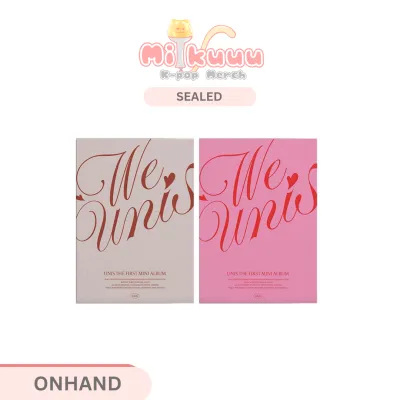
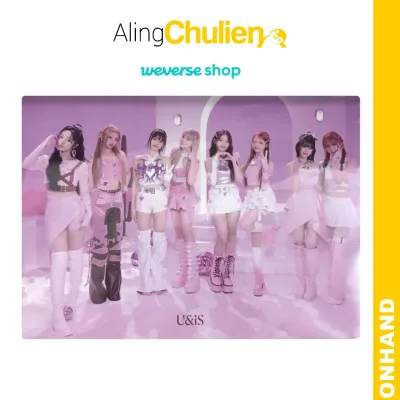

![[ON-HAND] UNIS CURIOUS POB Tingi Photocards](https://img.lazcdn.com/g/p/7e166b4b3c8b60871248fbeee880840b.jpg_400x400q80.jpg_.webp)
Prices are valid at publication and may change. Please refer to the product page for the latest price.
Budgeting is another critical factor that dictates your approach. A single standard album in the local market typically ranges from several hundred to over a thousand pesos, depending on the release type and shipping fees. If you have a strict budget, purchasing one comprehensive version is often the most satisfying route. It gives you a taste of everything—the music, the photobook, and a few random cards—without straining your wallet. Trying to collect every version right away can quickly lead to buyer’s remorse, especially when you factor in the hidden costs of local shipping and protective storage.
Finally, do not overlook the practicalities of storage and display, particularly in a tropical climate like the Philippines. High humidity and heat can wreak havoc on paper-based collectibles, causing photobooks to warp, pages to stick together, and photocards to bend. Before committing to a large collection, assess your available shelf space. Will your albums be stored in a cool, dry place away from direct sunlight? Do you have budget left over for protective supplies like acid-free plastic sleeves, binder pages, and silica gel packs? Answering these questions early ensures your investment remains in pristine condition for years to come.
Evaluating Album Versions and Physical Inclusions
Once you have established your priorities, the next step is to dissect the physical anatomy of the albums available. UNIS releases generally come in multiple visual concepts, each represented by a different album version. For instance, one version might feature a bright, sporty, outdoor aesthetic, while another leans into a dreamy, elegant, or retro concept. Before buying, look up the official concept photos released by the group’s agency. Choosing the version whose visual theme resonates most with your personal style ensures you will enjoy flipping through the photobook repeatedly.

Beyond the concept, you must carefully review the detailed inclusion list. Publishers always release an album details graphic before a launch, outlining exactly what is inside each package. Pay close attention to the page count of the photobook, the size of the lyric booklet, and the specific types of random items included. A typical release might guarantee a photobook and CD, but randomize the photocards, postcards, stickers, and fold-out posters. If you are buying a first album, look for versions that offer a higher number of guaranteed items, giving you more value for your money.
It is also important to understand the structural differences between the various formats on the market. Standard retail versions are the traditional, bulky packages containing the CD and a large photobook. Limited or special editions might feature unique packaging materials, larger dimensions, or exclusive bonus items that are not reprinted once sold out. Conversely, platform-exclusive variants are highly compact, minimalist packages. These typically do not contain a physical CD or a large photobook; instead, they feature a QR code card to access the music digitally, accompanied by a small selection of photocards. If you want the classic unboxing experience, stick to the standard retail versions; if you are short on space and only care about photocards, platform versions are an excellent, budget-friendly alternative.
Matching Music Styles to Your Taste
While the physical merchandise is a major draw, the heart of any album is the music. To ensure you will actually listen to your purchase, take the time to preview the tracklist on official streaming platforms before buying. Listen to the title tracks to get a sense of the album’s core identity, but do not ignore the B-sides. Often, the secondary tracks offer a deeper look into the group’s vocal capabilities and genre versatility, ranging from smooth R&B and synth-pop to acoustic ballads.
UNIS’s discography showcases a vibrant blend of energetic dance-pop, youthful anthems, and sophisticated melodies. If you prefer high-energy, upbeat tracks that make you want to dance, look for releases that highlight their powerful choreography-driven title songs. If you lean toward emotional vocal performances and harmonies, seek out the albums that feature mid-tempo tracks and ballads where the members’ distinct vocal tones shine. Matching the sonic landscape of the album to your daily listening habits guarantees that the physical CD will not just sit on your shelf gathering dust.
Additionally, check if the physical release offers any audio exclusives that are unavailable on standard streaming services. Some physical CDs include instrumental versions of the tracks, exclusive remixes, or even hidden voice messages from the members. For dedicated listeners, these physical-only additions provide a compelling reason to own the CD. Even if you primarily stream music on your phone during your daily commute, having these exclusive tracks on a physical disc adds a layer of collectibility and completeness to your fandom experience.
Where to Buy and What to Verify Before Checkout
Finding a reliable place to purchase your UNIS album is crucial to avoiding scams, damaged goods, and counterfeit merchandise. In the Philippines, you have several avenues, each with its own set of pros and cons. Your safest option is always to buy from official brand stores, authorized local music retailers, or established physical record shops located in major shopping malls. These outlets source their inventory directly from official distributors, ensuring that your purchase is genuine and that it counts toward official music charts, which helps support the group’s industry standing.
If you choose to buy from online marketplaces or local social media buy-and-sell groups, you must exercise extra caution. Always verify the product’s condition before sending any payment. Sellers often list albums as unsealed or opened, which usually means they have opened the plastic wrap to extract the random photocards of popular members, leaving only the CD and photobook behind. If you want the complete, untouched unboxing experience, ensure the listing explicitly states factory sealed. If you are buying secondhand to save money, ask the seller for a detailed checklist of remaining inclusions and request clear, watermarked photos or videos of the album’s condition.
When ordering from international e-commerce platforms or participating in fan-organized Group Orders, keep a close eye on shipping logistics. International shipping can sometimes cost as much as the album itself, and packages can take weeks to arrive. Furthermore, consider the local weather; heavy rains and tropical storms can lead to water damage during transit if the seller does not package the item securely. Always ask your seller or Group Order manager about their packaging standards—insist on sturdy cardboard boxes, multiple layers of bubble wrap, and waterproof outer sleeves to protect your new treasure from the elements.
Frequently Asked Questions (FAQ)
Should I buy the digital album instead of the physical CD?
Choosing between a digital and physical album depends entirely on your lifestyle and budget. Digital albums are highly convenient, offering immediate access to high-quality audio files without any shipping delays, customs fees, or physical storage requirements. They are also significantly cheaper, making them the ideal choice if your only goal is to support the group’s music financially. However, digital purchases lack the tangible joy of the collecting experience. You will miss out on the beautifully printed photobooks, the physical photocards that fans love to collect and trade, and the potential eligibility for exclusive physical fan-sign events. If you want the full community experience, saving up for a physical copy is usually worth the wait.
How can I complete a full photocard set without buying multiple albums?
Completing a full set of photocards by buying multiple random albums is incredibly expensive and often results in piles of duplicate CDs. A smarter, more budget-friendly strategy is to participate in the active local fan community. You can join verified trading groups on social media platforms to swap your duplicate cards with other fans who have the cards you need. When trading or buying individual cards, always prioritize safety: ask for video proof of the card’s condition, check the seller’s transaction history or proof of legitimacy tags, and use secure local shipping methods. Avoid buying from unverified sellers who charge exorbitant prices, and be wary of deals that seem too good to be true, as counterfeit photocards are common in the secondhand market.

Community discussion
Share your experience or ask a question. Comments are reviewed before publication.