
Choosing your first Riley Sager book depends entirely on what kind of thriller experience you want to have. Because his novels are standalone stories, you do not need to follow a chronological publication order. Instead, you can match your reading mood to his specific subgenres, whether you prefer high-speed chases, mind-bending psychological puzzles, or gothic, slow-burn mysteries.
For readers in the Philippines, finding a gripping book is a wonderful way to spend a rainy afternoon during the wet season or a quiet, humid evening at home. The suspense genre has grown incredibly popular locally, and Riley Sager’s books are staple sights on the shelves of major local bookstores. Navigating his growing bibliography, however, can feel overwhelming if you do not know what style of tension you enjoy most.
By understanding how his novels are structured and what thematic elements define each release, you can make an informed purchase. This guide breaks down his writing styles, categorizes his major works by reading experience, and provides practical tips for verifying book formats and editions before you buy.
Products mentioned in this guide
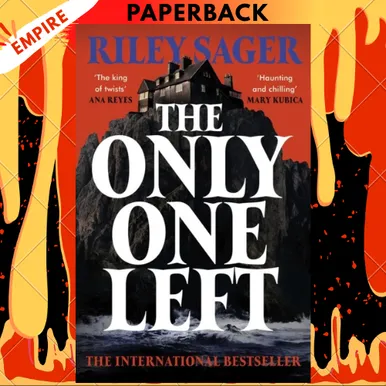
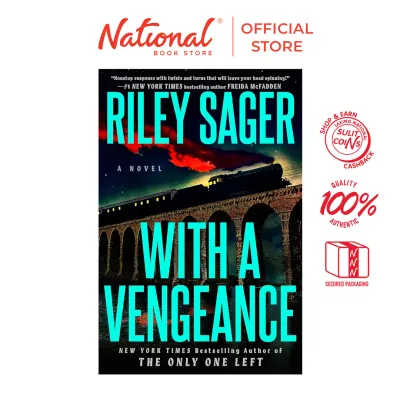
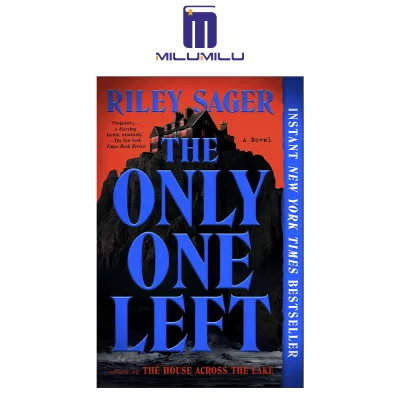
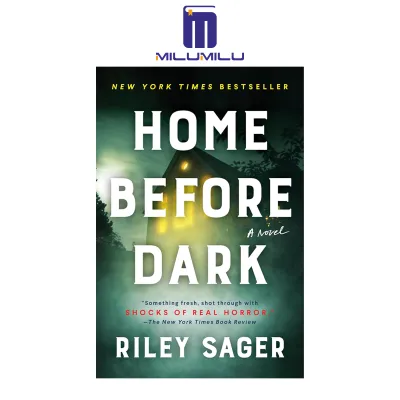
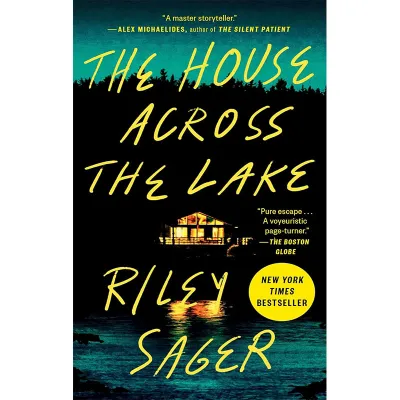
Prices are valid at publication and may change. Please refer to the product page for the latest price.
How to Choose Your First Riley Sager Novel
To select the right starting point, you should first evaluate your personal preference for plot intensity versus slow-burn atmospheric dread. Some readers crave immediate action, wanting to be thrown into a high-stakes situation from the very first page. Others prefer a more deliberate pace, where the tension builds gradually as secrets are slowly uncovered in a creepy, isolated setting. Knowing which style keeps you turning pages will help narrow down your choices.
Another key factor to consider is your tolerance for unreliable narrators, memory gaps, and mind-bending psychological twists. Riley Sager frequently employs protagonists who are dealing with trauma, memory loss, or active gaslighting. If you enjoy a narrative where you must constantly question the main character’s sanity and perception of reality, his psychological thrillers will be highly satisfying. However, if you prefer a more straightforward mystery where the clues are laid out logically, you might want to choose his more action-oriented or gothic-leaning titles.
It is also helpful to keep in mind that all of his works are standalones. This means you have complete flexibility to choose your entry point based on thematic hooks rather than publication dates. You do not need to worry about missing character development, recurring characters, or ongoing plotlines from previous releases. Each book is a self-contained experience with its own unique cast, setting, and resolution, allowing you to jump straight into whatever premise sounds most intriguing to you.
Before making a purchase, take a moment to read the official publisher summaries or back-cover blurbs. Pay close attention to the setting and the primary conflict described. If a book is set in a single location over a short period, it will likely be a fast-paced ride. If it spans multiple timelines or focuses heavily on a character’s internal doubts, expect a deeper, more psychological exploration.
Riley Sager Thrillers Categorized by Reading Experience
Because Riley Sager experiments with different subgenres of suspense, his books can be grouped into distinct categories. These groupings are designed to help you match your current reading mood with the right novel, ensuring a satisfying introduction to his work without requiring any strict reading order.

For Fast-Paced, Action-Driven Suspense
If you prefer high stakes, ticking clocks, and immediate physical danger, you should look for novels that emphasize fast-paced action. These books often feature narrative traits like road trips, confined spaces, or active chase sequences where the protagonist is constantly on the run. The sense of urgency is palpable, and the characters have very little time to rest or plan their next moves.
An example of this style is Survive the Night, which takes place almost entirely inside a car during a tense road trip in the 1990s. The protagonist suspects she is sharing a ride with a serial killer, creating an intense, claustrophobic atmosphere where every mile feels like a battle for survival. Another relevant title is Final Girls, which deals with the immediate aftermath and active threats surrounding the survivors of a horrific mass casualty event. Both books rely heavily on physical danger and immediate threats to keep the reader engaged.
In these novels, the central conflict is typically introduced very quickly, often within the first few chapters. The pacing remains brisk throughout, with frequent cliffhangers and sudden developments that push the characters to their limits. This style is highly suitable for readers who want an adrenaline-fueled experience that feels like watching a cinematic blockbuster.
When choosing these action-driven titles, be prepared for a focus on survival and quick decision-making. The characters are often forced to react to rapidly changing circumstances, leaving less room for quiet contemplation. If you want a book that you can easily finish in one or two sittings because you simply cannot put it down, this category is an excellent place to start.
For Psychological Twists and Unreliable Narrators
For readers who enjoy mind-bending plots, shifting perspectives, and questioning the protagonist’s sanity, the psychological category offers a deeply engaging experience. These novels focus heavily on themes of gaslighting, hidden pasts, and fractured memories. The mystery is often internal, with the main character struggling to separate truth from illusion as they try to piece together what actually happened.
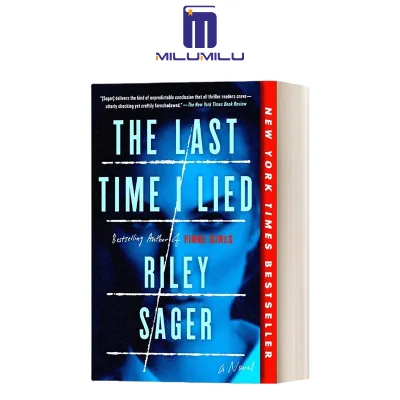
The Last Time I Lied is an example of this narrative style. Set against the backdrop of a summer camp, the story revolves around a protagonist haunted by the disappearance of her cabin mates years ago, forcing her to confront her own unreliable memories of that fateful night. The House Across the Lake also fits well here, utilizing a classic voyeuristic premise where spying on neighbors leads to a series of increasingly bizarre and shifting realities that challenge the reader’s expectations.
These books maintain a careful balance between character study and plot-driven revelations. The protagonist’s internal struggle, doubts, and personal history are just as important to the story as the external mystery they are trying to solve. As a reader, you are invited to play detective, analyzing every conversation and memory for potential clues or deceptions.
This category is suitable for those who love a slow-burn puzzle that culminates in a shocking twist. The enjoyment comes from the intellectual challenge of trying to outsmart the author, even as the narrative continuously pulls the rug out from under you. If you appreciate complex character motivations and stories that make you rethink everything you just read, these psychological thrillers are highly recommended.
For Atmospheric, Haunted-House Style Mysteries
If you prefer creeping dread, isolated settings, and blurred lines between supernatural and psychological threats, you will enjoy Sager’s atmospheric mysteries. These novels lean heavily into gothic or haunted-house tropes, utilizing creepy locations, historical secrets, and physical isolation to build a persistent sense of unease. The environment itself often feels alive, watching the characters and hiding secrets within its walls.
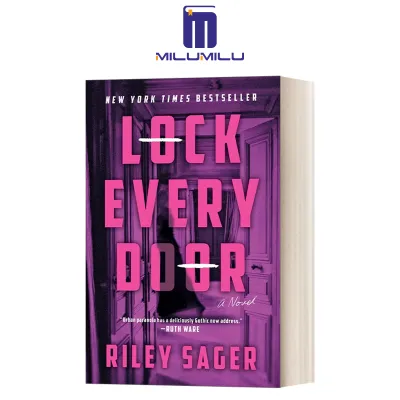
Lock Every Door showcases this style, placing the protagonist in a historic, highly exclusive apartment building with a long list of bizarre rules and a dark, unsettling history. Similarly, Home Before Dark plays with classic haunted-house elements, following a woman who returns to her childhood home—the site of a famous alleged haunting—to discover whether the ghosts her father wrote about were real or merely a cover for a more grounded horror.
In these specific novels, the setting acts as a secondary antagonist. The architecture, the creaking floors, the isolation from the outside world, and the oppressive history of the location work together to create a claustrophobic environment. The tension does not come from high-speed chases, but from the quiet, unsettling realization that something is deeply wrong with the place the protagonist calls home.
These books are highly suitable for readers who love classic gothic fiction, ghost stories, and mysteries that keep you guessing about the presence of the supernatural. They offer a rich, atmospheric reading experience that is especially fun to read late at night, when every house noise starts to sound a little more suspicious.
What to Check Before Buying a Riley Sager Book in the Philippines
When you are ready to purchase your first Riley Sager novel in the Philippines, there are several practical factors to verify to ensure you get a high-quality copy. First, compare physical versus digital formats based on your reading habits and storage conditions. The high humidity in the Philippines can cause paperback pages to yellow, warp, or develop foxing over time if they are not stored in dry, well-ventilated spaces. If you prefer physical books, look for high-quality trade paperbacks or hardcovers that can withstand the climate. For digital formats, verify device compatibility for e-books and audiobooks on your preferred reading apps before buying.
Second, verify language and edition differences. Riley Sager’s books are published in various regions, with US editions (often published by Dutton) and UK editions (often published by Hodder & Stoughton) being the most common in local stores. These editions frequently feature completely different cover designs, paper stock, and minor spelling variations (such as US spelling versus UK spelling). If you are a collector who likes a uniform look on your bookshelf, check the publisher details on the book listing to ensure you are getting the specific edition you want.
Third, check for authorized sellers on e-commerce platforms and online marketplaces. The local online market has seen a rise in counterfeit, pirated, or poor-quality print-on-demand copies of popular thrillers. These unauthorized books often suffer from blurry cover printing, low-quality paper, missing pages, or severe typographical errors. To avoid these issues, always purchase from reputable physical retail chains, official online brand stores, or verified sellers with high ratings and positive customer feedback. Look for official store badges and read reviews that include photos of the actual book received.
Finally, confirm current stock availability and compare prices in ₱ across different retailers. Imported paperbacks typically range from ₱500 to ₱900, while hardcovers can cost significantly more. Prices can vary between physical bookstores in major malls and online storefronts, so taking a few minutes to compare listings can help you find the best deal. Don’t forget to factor in shipping fees and look out for local store promotions or book fairs to get the most value for your purchase.
Frequently Asked Questions (FAQ)
Are Riley Sager's books connected, or can they be read out of order?
Riley Sager’s novels are completely standalone thrillers. Each book features a self-contained plot, a unique setting, and a distinct cast of characters that do not carry over into other works. Because there is no overarching narrative or recurring detective connecting his bibliography, you can read his books in any order you choose. You can safely start with whichever premise or subgenre appeals to you most without worrying about missing prior context or character development.
Is Riley Sager a single author or a pseudonym?
Riley Sager is the pen name used by Todd Ritter, an established author and former journalist. He chose to use a pseudonym for his thriller novels to distinguish this specific brand of dark, psychological suspense from his previous mystery novels published under his real name. Creating a distinct pen name helps publishers and readers easily identify his thrillers, which are known for their cinematic pacing, modern twists, and nods to classic horror and suspense tropes.
Community discussion
Share your experience or ask a question. Comments are reviewed before publication.