
To start reading Martha Cecilia pocketbooks, the most effective approach is to select titles based on your preferred narrative tropes—such as intense family sagas or classic rags-to-riches romances—and decide whether you want to commit to a multi-volume series or stick to standalone novels. Beginning with stories that have successful local television or film adaptations offers an easy entry point, as these narratives provide a familiar cultural context. Additionally, choosing between vintage mass-market prints and modern commemorative editions will shape both your reading experience and your collection’s longevity.
Martha Cecilia remains a monumental figure in Philippine popular literature, having penned hundreds of romance novels that captured the hearts of generations. Her work bridges the gap between traditional print media and modern digital romance trends, establishing a blueprint for emotional storytelling that still influences contemporary writers. For a beginner, navigating this vast catalog can feel overwhelming, but focusing on specific selection criteria makes the journey highly rewarding.
Defining Your Reading Preferences and Selection Criteria
Before purchasing your first pocketbook, it is essential to understand the core narrative themes that define this literary catalog. The author’s portfolio spans several sub-genres, including intense family dramas, pure contemporary romance, gothic-tinged mysteries, and coming-of-age struggles. If you enjoy high-stakes emotional conflict and multi-generational secrets, family sagas set against rural backdrops will likely appeal to you. For those who prefer lighter, character-driven stories, the standalone contemporary romances offer a faster, more direct narrative progression.
Products mentioned in this guide
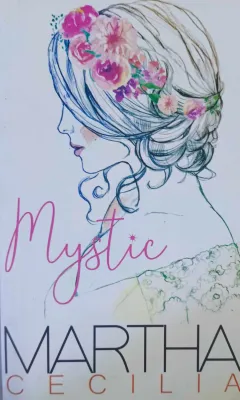
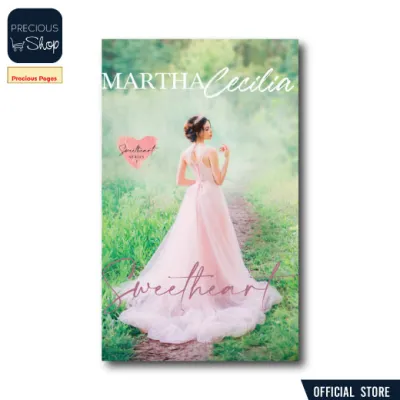
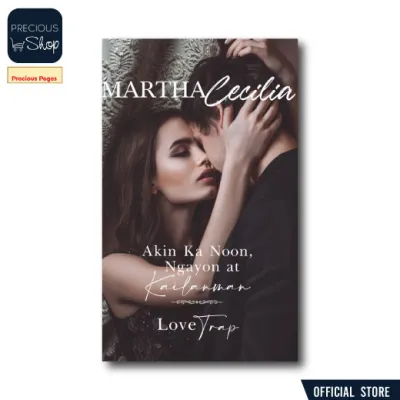
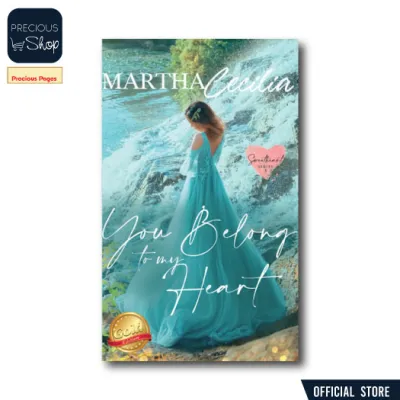
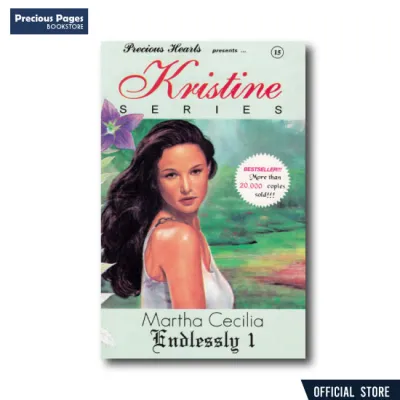
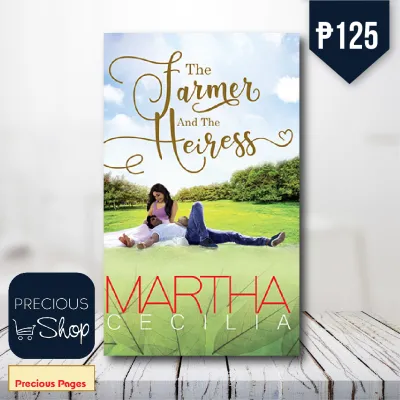
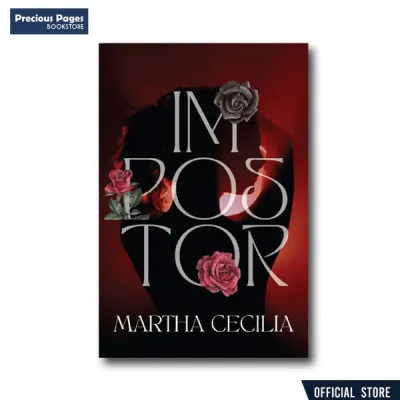
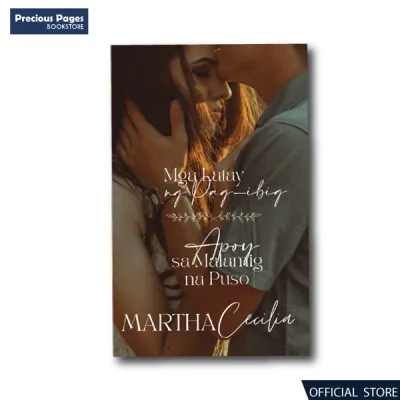
Prices are valid at publication and may change. Please refer to the product page for the latest price.
The primary language of publication is another critical factor to consider. These pocketbooks are written predominantly in Tagalog or Taglish, a natural blend of Tagalog and English that reflects everyday conversational speech in the Philippines. This linguistic style is crucial for delivering the emotional depth and cultural nuances of the characters’ dialogues. Readers should assess their comfort level with reading conversational Tagalog, as the emotional impact of the prose relies heavily on local idioms, expressions, and romantic phrasing that do not always translate directly to other languages.
Furthermore, you must differentiate between the various physical formats available on the market. Original mass-market prints are typically small, lightweight pocketbooks printed on inexpensive newsprint. These vintage copies carry a distinct nostalgic charm but require delicate handling. On the other hand, publishers have occasionally released special commemorative editions, omnibus collections, and modern trade paperbacks. These newer editions feature higher-quality paper, larger fonts, and more durable binding, making them excellent choices for readers who prioritize readability and long-term preservation over vintage collectibility.
In addition to format, the emotional dynamic of the characters is a key selection criterion. Martha Cecilia’s heroes are often complex, protective, and deeply flawed, while her heroines are resilient, independent, and capable of standing their ground. This dynamic is central to her writing style, ensuring that the romance is built on mutual growth and overcoming significant personal obstacles. Understanding which character archetypes resonate with you will help narrow down your choices from her extensive bibliography.
Exploring Entry Points by Theme and Adaptation History
A highly reliable way to choose your first Martha Cecilia book is to look at her extensive history of media adaptations. Several of her most famous works have been adapted into classic local television series and films, bringing her vivid characters to life on screen. For instance, her legendary multi-volume sagas set in sprawling rural estates have served as the basis for prime-time dramas. Starting with these adapted titles allows you to leverage existing familiarity with the plotlines, characters, and settings, making the transition to the written word smooth and engaging.

If you prefer to choose books based on specific storytelling devices, identifying hallmark tropes is an excellent strategy. One of the most prominent tropes in this catalog is the “hacienda romance,” where stories unfold against the backdrop of vast agricultural estates, featuring brooding, wealthy heroes and resilient, independent heroines. Other popular tropes include rags-to-riches journeys, hidden identities, and enemies-to-lovers dynamics. By matching your personal reading preferences to these established tropes, you can select a book that aligns perfectly with your narrative tastes.
When exploring these entry points, it is also important to recognize trusted publisher imprints. The vast majority of Martha Cecilia’s novels were published under prominent local romance imprints, most notably Precious Hearts Romances. Looking for official publisher logos and branding on the cover ensures that you are purchasing an authorized edition. This guarantees narrative completeness, professional proofreading, and high-quality editorial standards, preventing the disappointment of reading abridged or poorly edited bootleg versions.
For readers who want to experience the absolute pinnacle of her world-building, multi-generational family sagas offer an unmatched depth of storytelling. These series follow the fortunes, secrets, and romantic entanglements of prominent families over several decades. While they require a larger time commitment than standalone novels, they provide a highly immersive reading experience that showcases the author’s ability to weave complex, interconnected plotlines.
Sourcing Authentic Copies and Evaluating Book Condition
Finding physical copies of these pocketbooks requires knowing where to look, especially since many classic titles are out of print. Reputable online marketplaces, local brick-and-mortar bookstores, and specialized secondhand book fairs are the primary avenues for sourcing these novels. Some major local bookstore chains still carry modern reprints, while online platforms often host independent sellers specializing in vintage romance literature. Visiting physical secondhand book markets can also yield rare finds and older editions that are difficult to locate online.
Because of the enduring popularity of these novels, unauthorized reprints and pirated copies are common in the market. Spotting these bootleg versions requires a careful inspection of the book’s physical attributes. Pirated copies often exhibit poor print quality, characterized by blurry or faded text, uneven margins, and low-resolution cover art that looks like a photocopied scan. Additionally, unauthorized copies typically use cheap, brittle glue for the binding, causing pages to fall out easily upon opening. Authentic copies, even older ones, maintain crisp typography and a more robust binding structure.
When purchasing used or secondhand pocketbooks, a thorough inspection of the book’s condition is vital before finalizing your purchase. First, check the structural integrity of the spine; a heavily creased or split spine suggests that pages may soon detach. Second, examine the pages for yellowing or foxing. While natural aging causes newsprint to turn yellow, excessive browning, brittle edges, or dark spots indicate exposure to moisture and poor storage conditions. Finally, quickly flip through the book to verify that all chapters and pages are intact, as heavily circulated secondhand books occasionally suffer from missing pages.
Engaging with online reader communities and collector groups can also provide valuable leads on where to find authentic copies. Fellow enthusiasts often share tips on trusted sellers, upcoming book swaps, and how to negotiate fair prices for rare, out-of-print editions. These communities are excellent resources for verifying the authenticity of a specific print run before you make a financial commitment.
Preserving Your Pocketbooks in a Tropical Climate
Maintaining a collection of physical pocketbooks in a tropical climate like that of the Philippines requires proactive care to combat high humidity, heat, and destructive pests. The first step in preservation is selecting an optimal storage location. Keep your bookshelves away from direct sunlight, which causes book covers to fade and accelerates the degradation of paper. Additionally, avoid placing bookshelves directly against damp concrete walls, as moisture can easily transfer to the books, leading to mold growth and musty odors.
To actively manage humidity levels, utilizing moisture control solutions is highly recommended. If you store your pocketbooks in enclosed plastic storage boxes or cabinets, placing silica gel packets or small, spill-proof moisture-absorbing tubs inside the containers can help keep the air dry. It is crucial to ensure that these moisture absorbers do not come into direct contact with the books themselves, as any chemical leakage or concentrated moisture could cause irreversible damage to the paper and covers.
Routine maintenance and proper shelving techniques are also essential for long-term preservation. Regularly dust your books and shelves using a dry microfiber cloth or a soft-bristled brush to prevent the accumulation of dust, which attracts pests like silverfish and booklice. When organizing your shelves, avoid packing the pocketbooks too tightly together. Leaving a small amount of breathing room between books allows for proper air circulation, which naturally discourages mold development and helps maintain the structural integrity of the paper over time.
If you happen to acquire a secondhand book that has a slight musty smell, it is important to treat it before adding it to your main collection. You can isolate the book in a sealed container with an open box of baking soda for a few days to help neutralize the odor. Ensure the powder does not touch the pages directly. This simple step prevents the spread of mold spores and musty smells to your clean, well-preserved pocketbooks.
Frequently Asked Questions (FAQ)
Do I need to read Martha Cecilia pocketbooks in chronological order?
Most Martha Cecilia pocketbooks are written as standalone novels, meaning you can read them in any order without losing narrative context. However, she also authored highly popular interconnected series, such as the Kristine series or the Sweetheart series, which feature recurring characters, shared settings, and chronological timelines. For these specific series, reading the volumes in their original publication order is highly recommended to fully appreciate the character development and overarching plotlines.
Are there official English translations available for these pocketbooks?
The vast majority of Martha Cecilia’s pocketbooks are published exclusively in their original Tagalog or Taglish formats, as these languages best capture the cultural essence and emotional tone of the stories. While there have been occasional, limited attempts to translate select titles or adapt them for broader audiences, official English editions remain rare. To verify if an authorized English translation exists for a specific title, readers should consult the official catalogs or websites of the original publishers.
Community discussion
Share your experience or ask a question. Comments are reviewed before publication.