
To be worth collecting, a music fridge magnet must be an officially licensed release, typically tied to a major artist milestone, a limited-edition album package, a concert tour, or an anniversary event. In the vibrant fandom cultures of Korean Pop (K-Pop) and Pinoy Pop (P-Pop), merchandise serves as a tangible connection to the music and the artists. While standard promotional items are mass-produced and easily replaced, genuine limited-edition magnets feature high-quality materials like die-cast metals, soft or hard enamel, or thick acrylics, often accompanied by official holographic seals or unique serial numbers. For collectors in the Philippines, navigating this market requires distinguishing between official label-licensed merchandise and fan-made novelties, understanding the factors that drive long-term desirability, and knowing how to preserve these items against tropical humidity.
The rise of P-Pop groups alongside established K-Pop acts has created a unique local collecting ecosystem. Physical memorabilia, including music fridge magnets, has transitioned from simple refrigerator decorations to highly sought-after display pieces. Collectors value these items not just for their utility, but as physical tokens of their journey with their favorite groups. Understanding what elevates a simple magnet to a prized collectible is the first step in building a meaningful and valuable collection.
What Makes a Music Fridge Magnet Worth Collecting?
Official merchandise is authorized directly by the artist’s entertainment agency, ensuring that the designs, logos, and artist likenesses are legally licensed. These agencies partner with professional manufacturers to produce items that meet strict quality standards. A portion of the proceeds from these sales directly supports the artists, which is a primary motivation for many dedicated fans.
Products mentioned in this guide
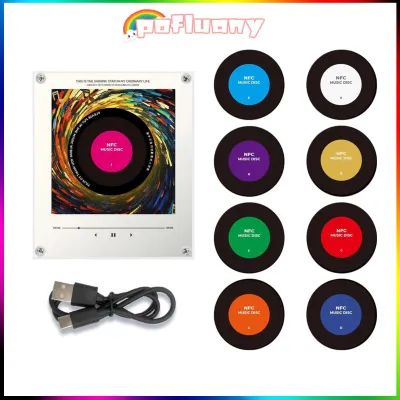

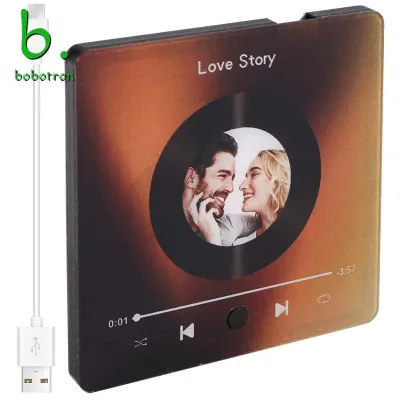
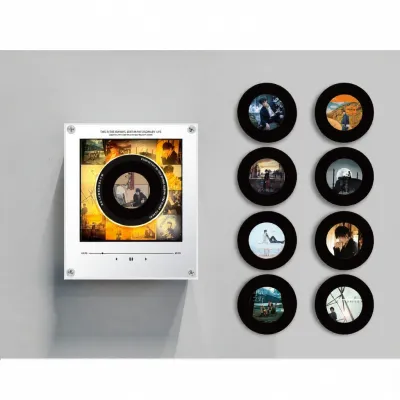
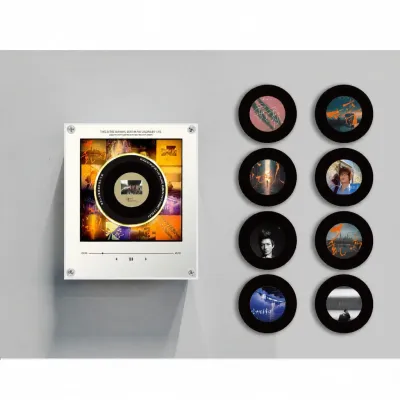
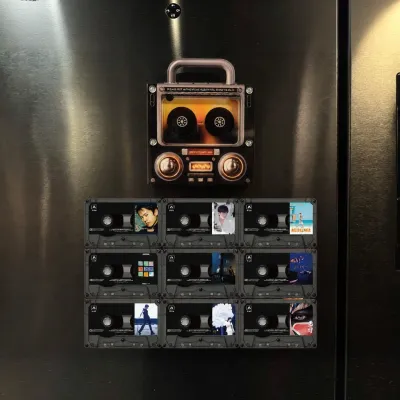
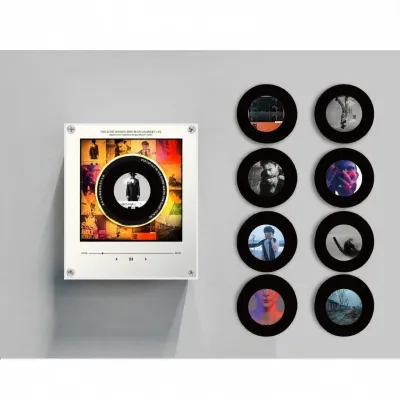
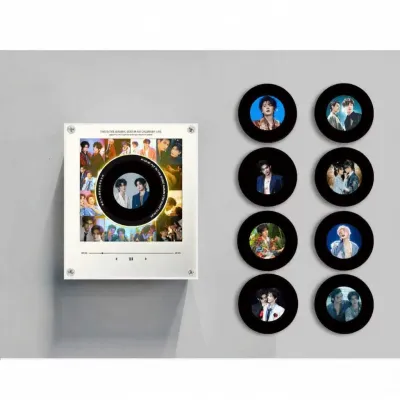
Prices are valid at publication and may change. Please refer to the product page for the latest price.
Fan-made items, often referred to as “fanmerch,” are created by independent artists within the community. While fanmerch can be highly creative, beautifully designed, and emotionally resonant, it lacks the official licensing status that establishes baseline collectible value in the broader secondary market. For serious collectors focusing on long-term value, official label-licensed merchandise remains the gold standard.
Artist milestones and concert exclusives carry the highest collectible potential. Magnets released exclusively during a specific concert tour, particularly those sold only at the venue or during a limited online pre-order window, are highly sought after. These items are tied to a specific moment in time, such as a debut concert, a world tour stop in Manila, or a major award win, making them irreplaceable historical markers for the fandom.
Anniversary releases, such as a group’s fifth or tenth anniversary, are also highly prized. These are typically produced in limited quantities to celebrate a historic milestone, often featuring special packaging or premium materials. Because these items are rarely reprinted once the anniversary period ends, their scarcity increases naturally over time.
Some premium magnet sets are released as numbered editions, where each piece features a unique serial number engraved on the back or printed on the packaging. This explicit scarcity significantly boosts desirability among completionist collectors. Furthermore, when a group disbandment occurs or when members transition to different agencies, the production of their official merchandise ceases permanently, capping the total supply and driving up demand for remaining official items.
Material and design complexity also play a crucial role in determining value. Standard promotional magnets are often flat, flexible vinyl sheets with printed designs that degrade quickly. In contrast, collectible-grade music magnets utilize premium materials such as zinc alloy, hard enamel, or multi-layered acrylic that create a three-dimensional effect. Some even incorporate interactive elements, such as spinning parts, sliding mechanisms, or built-in LED lights, which elevate them from simple novelties to miniature works of art.
How to Verify Authenticity and Collectible Grade
The most reliable way to confirm authenticity is by inspecting the packaging for official licensing holograms or stickers. Major Korean entertainment agencies utilize specific, proprietary holographic seals that shift colors or reveal hidden patterns under direct light. For P-Pop merchandise, look for official label logos, copyright notices, and sometimes unique serial numbers printed directly on the backing card or box.

Official merchandise adheres to strict quality control standards that are difficult for bootleg manufacturers to replicate. When holding a genuine metal or enamel magnet, it should feel surprisingly heavy for its size, indicating the use of solid zinc alloy or brass rather than cheap, lightweight plastics. The enamel finish should be smooth, level, and free of air bubbles, scratches, or misaligned color fills.
The magnet on the back should be securely attached—often recessed into the metal rather than crudely glued on—and possess sufficient magnetic strength to hold its own weight easily on a metallic surface. If the magnet is weak, misaligned, or shows messy glue residue around the edges, it is highly likely to be a counterfeit or a low-quality fan-made item.
In the collecting community, the condition of the packaging is almost as important as the item itself. A mint-in-box (MIB) or factory-sealed magnet commands a premium price because it guarantees the item has never been exposed to environmental wear or handling. If the packaging is torn, bent, or faded, the overall collectible grade drops. Collectors should carefully inspect the backing cards of blister-packed magnets, as creases or soft corners significantly reduce their secondary market value.
Before purchasing from a third-party seller, cross-reference the item with official merchandise catalogs, unboxing videos, or official agency social media announcements. Note the exact dimensions, color schemes, and backing designs. Many counterfeiters make subtle mistakes, such as using the wrong font for copyright text, altering the placement of the magnet, or using a different backing material than the official release.
Where to Buy Official K-Pop and P-Pop Merchandise Safely
The safest route to acquiring authentic merchandise is purchasing directly from official artist webstores or the global shops of major entertainment agencies. For local collectors in the Philippines, several authorized physical music stores and pop-up shops in major metropolitan malls partner directly with Korean distributors and local P-Pop labels. Buying from these brick-and-mortar establishments ensures that the merchandise is 100% authentic and that sales contribute to official music charts where applicable.
When official stores sell out, collectors often turn to major online marketplaces and ecommerce platforms. To minimize the risk of buying counterfeits, look for sellers with verified business registration or high customer satisfaction ratings, often indicated by platform-specific trust badges. Always read the detailed buyer reviews, paying close attention to user-uploaded photos of the actual product and packaging. Avoid listings that use stock photos exclusively or have vague descriptions regarding the item’s origin.
Joining official global or local fan clubs often grants early access to merchandise pre-orders, allowing members to secure limited-edition items before they sell out to the general public. Additionally, participating in trusted community-led group orders (GOs) can help reduce international shipping costs. Group order managers (GOMs) typically buy in bulk directly from official sources, providing a reliable way to secure exclusive items while sharing the logistical expenses with fellow fans.
Red Flags: How to Spot Counterfeit and Bootleg Magnets
One of the most obvious indicators of a counterfeit magnet is a price tag that seems too good to be true. Official limited-edition magnets, especially those imported or sourced from exclusive events, carry a baseline cost that reflects manufacturing, licensing, and shipping. If a listing on an online marketplace offers a rare, out-of-print magnet for a fraction of its established market value in Philippine Pesos (₱), it is almost certainly a bootleg. Genuine collectors understand the market value and rarely sell highly sought-after items at deep discounts.
Bootleg manufacturers prioritize low production costs over quality control. Inspect the magnet for blurred or pixelated printing, which occurs when counterfeiters scan official artwork and reprint it on inferior materials. Metal edges on fake magnets are often rough, sharp, or poorly polished. Furthermore, look at the back of the magnet: official releases almost always feature engraved or cleanly printed copyright text (such as the artist’s agency name and “Made in Korea” or “Made in the Philippines”), whereas counterfeits often leave the back completely blank or use generic, misspelled text.
Be highly skeptical of online listings that rely solely on official promotional graphics instead of actual photos of the physical item. Legitimate sellers who understand the collector market will gladly provide high-resolution photos of the magnet from multiple angles, including close-ups of the holographic sticker, the backing card, and the rear of the magnet. If a seller refuses to provide these photos or gives evasive answers when asked about the item’s origin, it is best to walk away from the transaction.
How to Store and Preserve Your Collectible Magnets
The tropical climate of the Philippines presents unique challenges for collectors. High humidity can cause metal components to rust, adhesive backings to degrade, and paper packaging to warp or develop mold. To protect your collection, store unused or boxed magnets in a cool, dry room away from direct sunlight, which can fade vibrant colors over time. Utilizing airtight plastic storage bins with silica gel packets is an excellent, cost-effective way to absorb excess moisture and maintain a stable environment.
When handling loose magnets, always ensure your hands are clean and dry. The natural oils, sweat, and acids on human skin can slowly corrode metal plating, tarnish enamel finishes, and leave permanent smudges on acrylic surfaces. For premium metal or enamel pieces, consider using soft microfiber cloths to gently wipe away fingerprints after handling. Avoid using harsh chemical cleaners or abrasive materials, as these can strip away protective coatings and ruin the printed artwork.
Collectors must decide whether to display their magnets or keep them sealed in their original packaging. Keeping items factory-sealed preserves their maximum financial and collectible value, but displaying them allows you to enjoy your fandom daily. If you choose to display them, consider using a dedicated magnetic whiteboard or a framed metal sheet placed inside a glass display cabinet. This keeps the magnets securely mounted and protected from dust, accidental drops, and curious pets, balancing aesthetic enjoyment with long-term preservation.
Frequently Asked Questions (FAQ)
Do limited edition fridge magnets appreciate in value over time?
While some rare, out-of-print music magnets can increase in value on the secondary market, appreciation is never guaranteed. The financial value of music merchandise fluctuates based on the artist’s ongoing popularity, current cultural trends, and the overall demand within the fandom. Because trends can shift rapidly, it is highly recommended to collect these items for personal enjoyment, aesthetic appreciation, and your connection to the music, rather than viewing them as guaranteed financial investments.
How can I verify a secondhand magnet's authenticity without original packaging?
Verifying a loose, secondhand magnet requires close physical inspection. Start by looking at the back of the magnet for engraved copyright marks, official agency logos, or specific manufacturer stamps that are difficult for counterfeiters to replicate. Next, compare the weight, thickness, and magnetic strength against verified official releases if you or a fellow collector own one. You can also consult online collector communities and fan databases, where members often share detailed close-up photos of authentic items to help others verify their finds.
Community discussion
Share your experience or ask a question. Comments are reviewed before publication.