
To start reading John Grisham, the best entry point depends on what kind of suspense you enjoy: choose The Firm if you want a fast-paced corporate conspiracy with high-stakes evasion, or A Time to Kill if you prefer deep courtroom drama, intense trial strategy, and heavy social themes. For those who enjoy political conspiracies mixed with legal research, The Pelican Brief serves as an ideal introduction, while The Client offers a unique perspective through the eyes of a young boy caught between the mob and the FBI. By matching your preferred narrative pace and thematic depth to these distinct entry points, you can easily navigate Grisham’s extensive bibliography without feeling overwhelmed by legal jargon.
How to Match Your Reading Preferences to the Right Novel
Legal thrillers are a unique subgenre of suspense fiction, blending the intellectual chess match of the courtroom with the high-stakes danger of traditional thrillers. At their core, these stories explore how the law can be used both as a shield for the innocent and a weapon for the corrupt. For a beginner, entering this world means preparing for a mix of detailed investigations, intense cross-examinations, and profound moral dilemmas where the right path is rarely clear-cut. Understanding these elements helps you appreciate why the genre remains so compelling, as it mirrors real-world anxieties about justice, power, and systemic vulnerability.
The pacing and complexity of these novels can vary significantly depending on the specific focus of the plot. Some stories plunge you immediately into a desperate race for survival, where legal knowledge is used on the run to evade powerful adversaries. Others adopt a more deliberate, procedural pace, focusing on the meticulous gathering of evidence, jury selection, and the strategic maneuvering that occurs behind closed doors before a single word is spoken in court. Deciding whether you prefer a rapid, action-oriented chase or a slow-burning, intellectually demanding trial drama is the first step in narrowing down your choices.
Products mentioned in this guide
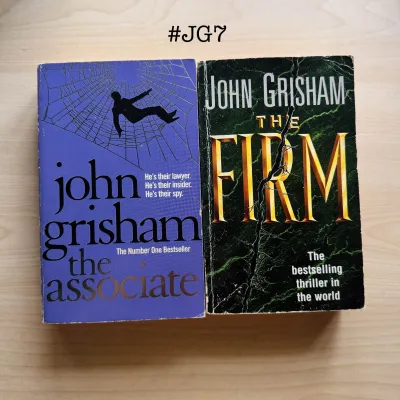

![[Preloved] John Grisham author of A Time to Kill The Firm Theodore Boone etc](https://img.lazcdn.com/g/ff/kf/Sa87703bc33fa4a7fa79df76ffb33eca1z.jpg_400x400q80.jpg_.webp)

Prices are valid at publication and may change. Please refer to the product page for the latest price.
Your commitment level and personal taste also play a crucial role in selecting your first book. If you are looking for a quick, gripping read to enjoy during a weekend or a long commute, a plot-driven conspiracy novel with minimal legal jargon is highly suitable. Conversely, if you appreciate deep character development, historical context, and a serious exploration of societal issues, you will find greater satisfaction in a longer, more atmospheric courtroom drama. By identifying where your interests lie along these axes of speed, complexity, and theme, you can select a starting novel that aligns perfectly with your reading habits.
Recommended Starting Points Based on Narrative Style
Navigating a bibliography that spans several decades requires a structured approach rather than a random selection. Instead of viewing these books as a simple chronological list or a ranking of quality, it is far more practical to categorize them by their narrative style and the specific legal environment they depict. This allows you to choose a book based on the exact type of suspense you find most engaging, whether that involves corporate boardrooms, small-town courtrooms, or high-level government offices.

Each of these categories represents a stable narrative structure that Grisham has refined over his career, offering a distinct flavor of legal suspense. By understanding the defining characteristics of each style, you can make an informed decision that matches your current reading mood. Whether you want to witness a dramatic trial unfold or follow a protagonist running for their life, there is a specific entry point designed to introduce you to the genre’s diverse possibilities.
For Fast-Paced Corporate Conspiracy
For readers who crave high-stakes intrigue and rapid plot progression, the corporate conspiracy narrative style offers an exceptional starting point. This structure typically features a young, ambitious legal professional who secures a seemingly perfect position at a prestigious firm, only to discover that the organization is a front for massive, dangerous criminal operations. The immediate appeal lies in the transition from professional triumph to absolute terror as the protagonist realizes that their dream job has trapped them in a web of surveillance, blackmail, and physical danger.
The narrative momentum in these books is relentless, focusing heavily on survival, evasion, and the clever use of legal loopholes to outmaneuver powerful opponents. Rather than spending hundreds of pages inside a courtroom, the protagonist must navigate the real world while being hunted by corporate enforcers or corrupt federal agents. This shift from procedural law to active evasion keeps the tension high, making it difficult to put the book down once the conspiracy begins to unravel.
This style is particularly well-suited for beginners because it prioritizes suspense and physical danger over dense legal procedures. You do not need to understand complex rules of civil procedure to appreciate the terror of a lawyer trying to copy incriminating documents in the dead of night while avoiding detection. It provides an accessible, action-oriented introduction to the legal world, demonstrating how easily the law can be subverted by greed and corporate power.
For Deep Courtroom Drama and Social Themes
If you prefer a narrative that settles deep into the courtroom and grapples with complex moral questions, a trial-focused drama is the ideal choice. These stories typically center on a small-town lawyer who takes on a highly controversial, emotionally charged case that divides the local community. The focus here is on the meticulous preparation for trial, the selection of the jury, and the dramatic, high-stakes theater of the courtroom itself, where every witness testimony can shift the balance of justice.
These novels do not shy away from heavy, mature themes, often exploring systemic racism, poverty, corporate negligence, and the inherent flaws of the judicial system. The pacing is naturally more deliberate, allowing for deep character development and a thorough exploration of the social forces at play. This longer narrative commitment rewards readers who enjoy watching a complex legal strategy unfold step-by-step, highlighting the intellectual and emotional toll that a major trial takes on everyone involved.
Choosing this style as your introduction offers a profound look at the philosophy of law and the human element behind legal statutes. The courtroom becomes a stage where societal values are debated, and the protagonist must rely on eloquence, strategy, and moral courage rather than physical action to achieve justice. It is a compelling option for those who appreciate literature that reflects real-world struggles and leaves a lasting intellectual impact.
For High-Stakes Political and Legal Suspense
For those who enjoy stories where the legal system intersects with national security, journalism, and high-level government operations, the political suspense style is a perfect fit. These plots often begin with a shocking event, such as the assassination of a public official, which triggers a complex investigation involving federal agencies, investigative reporters, and independent researchers. The legal elements are tightly woven into a broader tapestry of political corruption, executive privilege, and constitutional crises.
The narrative balance in these books shifts between detailed document analysis, legal research, and intense physical danger as the characters uncover secrets that powerful political figures want kept hidden. The protagonists are often thrust into the spotlight, forced to rely on investigative journalists to publish the truth before they are silenced by covert operatives. This dynamic creates a unique blend of legal thriller and political espionage, expanding the scope of the story far beyond the walls of a law office.
This subgenre is highly recommended for readers who enjoy grand-scale conspiracies and global implications. The ideal reader is someone who appreciates the role of the free press in uncovering corruption and enjoys watching ordinary citizens use legal research and investigative skills to challenge the highest offices in the land. It offers a thrilling, multi-layered reading experience that highlights the vulnerability of democratic institutions.
For Unique Perspectives and Action-Driven Plots
Not every legal thriller requires a seasoned attorney as the central character, and exploring alternative perspectives can provide a refreshing entry point for beginners. Some of the most engaging narratives feature non-traditional protagonists, such as a young child who accidentally witnesses a crucial piece of evidence or an unconventional client who operates on the fringes of the law. By shifting the focus away from the traditional lawyer, these stories make the legal system feel more immediate, personal, and unpredictable.
These plots frequently blend legal evasion with witness protection programs, street-level action, and the desperate efforts of a sympathetic attorney to protect a vulnerable client from both the justice system and criminal organizations. The tension is driven by the contrast between the cold, bureaucratic nature of the law and the raw, human need for survival and protection. This approach allows for a highly emotional narrative that keeps you invested in the safety of the characters as much as the outcome of their legal battles.
Starting with a book that utilizes a unique perspective is excellent for readers who might find traditional legal procedures dry or intimidating. It humanizes the legal process, showing how laws affect ordinary, often marginalized individuals who find themselves caught in extraordinary circumstances. The resulting stories are highly accessible, action-driven, and deeply moving, offering a different look at what a legal thriller can achieve.
What to Verify Before Buying or Borrowing Your Copy
Before you purchase or borrow your first legal thriller, taking the time to verify specific details about the book will ensure a seamless and enjoyable reading experience. In the Philippines, readers often navigate a diverse market of English-language editions, imported paperbacks, and digital formats. If you prefer reading in English, which is the original language of Grisham’s work, you should check whether the edition is an international paperback, a UK edition, or a US edition, as cover designs and paper quality can vary. For those interested in bilingual reading or local translations, it is important to verify the translation quality and ensure that the legal terminology has been accurately localized without losing the narrative tension of the original text.
The format of the book is another critical consideration that should align with your personal reading setup and lifestyle. If you prefer physical books, consider the weight and size of the edition; a mass-market paperback is highly portable and budget-friendly, often priced around ₱300 to ₱500 in local bookstores, whereas a trade paperback or hardcover offers larger print and better durability for your home library. For digital readers, verify the file format and device compatibility before purchasing an e-book, ensuring it matches your e-reader or tablet. If you lead a busy lifestyle and prefer listening during your daily commute or household chores, verify that the audiobook version features a professional narrator whose voice and pacing enhance the suspense of the story.
It is equally vital to confirm the completeness of the edition to avoid disappointing purchases. Some older or budget-friendly prints may be abridged versions, which condense the plot and remove crucial legal details or character development. Always check the publisher’s details and the table of contents to ensure you are getting the complete, unabridged text. Additionally, be cautious of unauthorized prints or low-quality bootlegs that often circulate in informal markets; these copies frequently suffer from missing pages, severe typographical errors, and poor binding that falls apart after a single reading.
Finally, pay close attention to the condition of the book and the reputation of the seller when shopping online or in second-hand markets. When browsing online marketplaces or local pre-loved book groups, read the seller’s description carefully and request actual photos of the book’s spine, pages, and cover to assess wear, foxing, or water damage. Verify the seller’s rating and customer feedback to ensure reliable packaging and prompt shipping. Understanding the return and refund policies of the platform or store is also beneficial, protecting you in case the book arrives damaged or does not match the advertised condition.
Frequently Asked Questions (FAQ)
Do I need a legal background to understand these novels?
You do not need any formal legal training or background to fully enjoy and understand these novels. Authors of mainstream legal thrillers are highly skilled at explaining complex legal concepts, procedural rules, and courtroom etiquette directly within the flow of the story. They often use natural dialogue, such as a lawyer explaining a strategy to a client or a judge instructing a jury, to clarify technical jargon for the reader. The primary focus of these books is always on human drama, moral conflict, and narrative suspense rather than dry, textbook legal accuracy. This ensures that the story remains highly accessible and engaging, allowing you to focus on the tension of the plot rather than memorizing legal statutes.
Should I read the books in chronological order?
There is no need to read these books in chronological order, as the vast majority of them are standalone novels with self-contained plots and unique characters. You can safely choose any book that matches your current interest and narrative preference without worrying about missing previous plot points or character arcs. While there are occasional recurring characters, such as Jake Brigance, who appears in multiple novels, each book is structured to be fully understood on its own. Approaching the bibliography based on thematic interest, pacing, or narrative style is generally much more rewarding for a beginner than trying to follow a strict publication timeline. This flexibility allows you to jump directly into the stories that appeal to you most.
Community discussion
Share your experience or ask a question. Comments are reviewed before publication.