
Choosing your first book by an acclaimed author can feel like standing in front of a massive library shelf, unsure which spine to pull down first. For readers in the Philippines, where young adult literature has shaped a generation of book lovers, the novels of John Green hold a special place. His stories are famous for their blend of sharp wit, philosophical inquiries, and intense emotional landscapes that capture the bittersweet transition from youth to adulthood. Whether you are looking to curl up during a rainy afternoon in Manila or want a thought-provoking read for your daily commute, finding the right starting point is key to enjoying his work.
The decision of where to begin does not have a single, universal answer. Because his novels are standalone stories rather than a continuous series, your entry point should align with your current reading preferences, emotional capacity, and interest in specific themes. Some of his books are famous for their devastating, tear-jerking narratives, while others lean into quirky road trips, intellectual mysteries, or deeply personal explorations of mental health. By understanding the distinct tone and structure of each novel, you can make a confident first purchase that matches your literary taste.
How to Match Your Mood to a John Green Novel
To choose the right book, it helps to understand what makes John Green’s writing style so distinctive. His protagonists are typically highly articulate, self-aware teenagers who grapple with existential questions while navigating ordinary high school challenges. They speak with a level of vocabulary and philosophical depth that elevates the stories beyond standard coming-of-age tropes. This signature blend of intellectual banter and raw emotional honesty means his books require a certain level of emotional engagement from the reader.
Products mentioned in this guide
Prices are valid at publication and may change. Please refer to the product page for the latest price.
When evaluating where to start, consider three primary dimensions: emotional tone, readability, and central themes. Emotional tone refers to the balance between heartbreaking tragedy and uplifting humor. Some readers actively seek out stories that will make them cry, finding comfort in shared grief, while others prefer a lighter, more nostalgic atmosphere. Readability involves the complexity of the prose and the pacing of the plot. While all his books are written for a young adult audience, some feature complex non-linear structures or highly internal monologues that require slower, more reflective reading.
Finally, the central themes of the book should align with your personal interests. Green frequently explores topics such as the pain of losing a loved one, the struggle to define one’s identity, the realities of living with mental illness, and the danger of idealizing other people. Before committing to a title, take a moment to self-assess your current reading mood. If you are feeling emotionally exhausted, starting with a book centered on terminal illness might not be the best choice, whereas a fast-paced mystery about a road trip could provide the perfect escape.
The Best John Green Books to Start With, by Reader Preference
Because John Green’s novels do not share characters or plotlines, you can read them in any order you choose. The “best” first book is entirely dependent on what you hope to experience as a reader. Some books are fast-paced and plot-driven, while others are slower, focusing deeply on the internal psychological state of the characters.

To help you compare your options at a glance, the table below outlines his four most prominent novels across key decision-making dimensions:
| Book Title | Emotional Tone | Primary Theme | Readability Level |
|---|---|---|---|
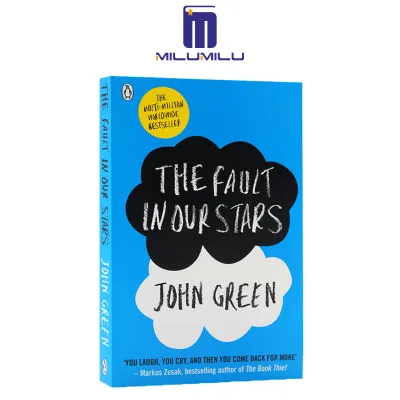
| The Fault in Our Stars | High (Heartbreaking romance) | Love, mortality, and legacy | High accessibility, fast-paced |
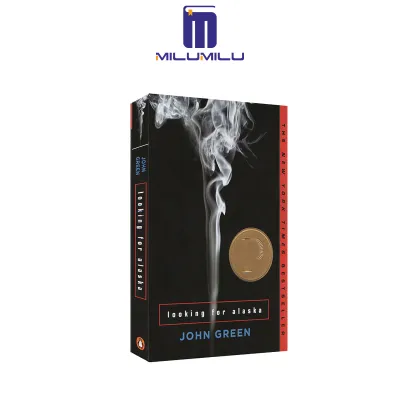
| Looking for Alaska | Moderate to High (Melancholic mystery) | Grief, guilt, and forgiveness | Moderate, non-linear structure |
| Paper Towns | Moderate (Witty, adventurous, nostalgic) | Projection vs. reality and friendship | High accessibility, mystery-driven |
| Turtles All the Way Down | High (Intense, deeply internal realism) | Mental health (OCD) and identity | Moderate to High, psychological focus |
Using this comparison as a guide, you can explore the specific details of each novel to find the one that resonates most with your current reading goals.
For Emotional Depth and Romance: The Fault in Our Stars
If you are looking for a deeply moving story that explores the heights of love and the depths of human mortality, The Fault in Our Stars is the most natural starting point. This novel follows Hazel Grace Lancaster, a sixteen-year-old thyroid cancer patient, who meets Augustus Waters, a charming boy in remission, at a cancer support group. Together, they embark on a journey that challenges their perspectives on life, death, and the marks we leave on the world.
The primary appeal of this book lies in its ability to balance profound philosophical questions with highly accessible, engaging prose. It is a fast-paced read filled with sharp, witty dialogue that keeps the narrative from becoming entirely bleak. The novel’s massive cultural footprint is well-deserved, as it captures the universal desire to find connection and meaning in a limited amount of time.
However, readers should approach this book with an awareness of its high emotional impact. It is a story designed to make you cry, and it does not shy away from the physical and emotional realities of terminal illness. If you prefer uplifting endings or are currently avoiding themes of grief and medical trauma, you may want to start with one of his lighter works instead.
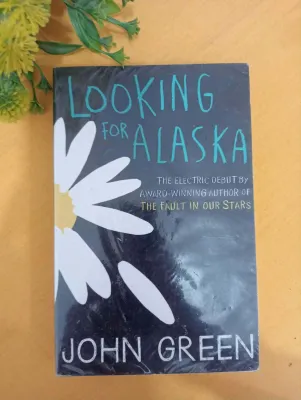
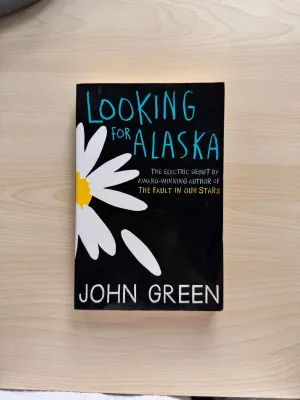
For Mystery and Coming-of-Age: Looking for Alaska
For those who appreciate character-driven mysteries, reflective pacing, and the unique atmosphere of a boarding school, Looking for Alaska is an exceptional debut novel to read first. The story centers on Miles “Pudge” Halter, a teenager obsessed with famous last words, who leaves his boring life behind to attend a boarding school in Alabama. There, he meets the brilliant, unpredictable, and deeply troubled Alaska Young, who pulls him into her world of pranks, literature, and existential questions.
The novel is structured around a non-linear timeline, divided into “Before” and “After” sections. This structural choice builds a quiet tension, forcing the reader to examine the events leading up to a central, life-altering tragedy. The primary themes of the book revolve around grief, guilt, and the search for what Francois Rabelais called the “Great Perhaps”—a deeper, more meaningful existence.
This book is ideal for readers who enjoy slow-burn character development and are willing to sit with complex, unresolved questions about life and forgiveness. Because it deals with themes of self-destruction and the heavy burden of guilt, it carries a moderate to high emotional weight, making it best suited for readers who enjoy contemplative, indie-style narratives.
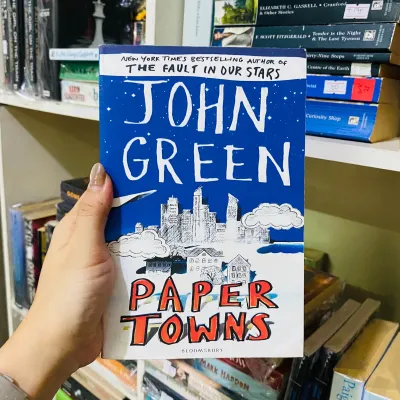
For Quirky Humor and Road Trips: Paper Towns
If you want to experience John Green’s signature wit and mystery elements without the immediate, heavy tragedy found in his other works, Paper Towns is the perfect choice. The novel follows Quentin “Q” Jacobsen, a high school senior who has spent years admiring his adventurous neighbor, Margo Roth Spiegelman, from afar. After Margo recruits him for an all-night campaign of revenge through their hometown, she suddenly vanishes, leaving behind a series of highly cryptic clues for Quentin to solve.
The core theme of Paper Towns is the danger of idealizing other people. Quentin must learn to dismantle his idealized image of Margo as a perfect, mysterious muse and instead see her as a complex, flawed human being. The second half of the book transforms into an engaging road trip adventure filled with humorous banter, close friendships, and the excitement of the open road.
This novel offers a highly accessible readability level and a faster pace than Looking for Alaska. It is an excellent starting point for readers who want a balanced coming-of-age story that combines intellectual mystery with genuine humor, proving that personal growth does not always have to stem from profound tragedy.
For Mental Health and Realism: Turtles All the Way Down
For a more mature, deeply personal, and psychologically realistic reading experience, Turtles All the Way Down stands out as John Green’s most refined work. The story follows sixteen-year-old Aza Holmes as she navigates daily life, high school friendships, and a sudden local mystery involving a fugitive billionaire. However, the true focus of the novel is not the external mystery, but Aza’s internal struggle with severe obsessive-compulsive disorder (OCD) and intrusive thoughts.
Having lived with OCD himself, Green writes about mental illness with an unparalleled level of empathy, accuracy, and raw honesty. The narrative places the reader directly inside Aza’s mind, illustrating the terrifying feeling of being trapped in an escalating spiral of thoughts that you cannot control. It deliberately departs from traditional romantic tropes, showing how mental health challenges can complicate friendships and romantic relationships without offering easy, magical cures.
Because of its highly internal focus and intense depiction of anxiety, this book has a heavier emotional tone that requires a higher level of emotional readiness. It is highly recommended for older teens and adults who appreciate psychological realism and want to read a compassionate, unvarnished portrayal of mental health that avoids clichés.
Choosing Between English and Translated Editions
When purchasing your first John Green novel in the Philippines, one of the key decisions you will face is whether to read the original English text or seek out a translated edition. English is highly prevalent in the Philippine education system, media, and literary market, meaning that the vast majority of local book lovers are highly accustomed to reading novels in their original English format. Consequently, physical bookstores across the country almost exclusively stock the English editions of his works.
While occasional Tagalog or bilingual translations of popular young adult novels are produced by local publishers, they can be difficult to source consistently. If you do find a translated version, it is important to verify that it is an authorized, complete translation licensed by the original publisher. Reading a licensed translation can offer a more comfortable and culturally familiar reading experience for those who prefer consuming media in their native language.
However, there is a distinct literary advantage to reading John Green’s novels in their original English. His writing style relies heavily on rapid-fire banter, specific English wordplay, and complex philosophical metaphors that are deeply rooted in Western literary traditions. Phrases like “some infinities are bigger than other infinities” or discussions of “metaphorical resonance” carry a specific linguistic rhythm. Translating these concepts into Tagalog or Taglish can sometimes dilute the sharp, intellectual flow of the dialogue. For most readers, choosing the original English text ensures you experience the author’s authentic voice, precise vocabulary, and intended emotional pacing.
Where to Find and Verify Your Copy in the Philippines
To ensure a high-quality reading experience, it is essential to purchase your books from authorized and reliable sources. In the Philippines, major national brick-and-mortar bookstore chains like Fully Booked and National Book Store are the most dependable options for finding physical copies. Visiting these physical branches allows you to browse different editions, check the print quality, and occasionally find special anniversary editions or box sets that make excellent additions to a personal library. Prices for standard paperback editions typically range from ₱400 to ₱700, depending on the publisher and the specific edition.
If you prefer digital reading or audiobooks, make sure to use authorized global platforms such as Kindle, Kobo, or Google Play Books. Purchasing through these verified channels ensures content completeness, proper formatting, and compatibility with your reading devices. It also protects you from regional licensing restrictions that can sometimes affect digital purchases.
When shopping online through third-party sellers on local ecommerce platforms or online marketplaces, readers must exercise caution. The market is often flooded with unauthorized, low-quality reprints that are sold at unusually low prices. These counterfeit copies frequently suffer from missing pages, severe formatting errors, blurry text, and fragile bindings that fall apart easily in the humid Philippine climate. To avoid these issues, always verify the seller’s reputation, read customer reviews carefully, check the listed page count against official publisher specifications, and look for official store badges that guarantee authenticity.
Frequently Asked Questions (FAQ)
Are John Green's books appropriate for younger teens?
John Green’s novels are classified as Young Adult (YA) fiction and are generally most appropriate for readers aged 14 and older. While the books feature relatable teenage protagonists, they frequently address mature themes such as grief, death, severe mental illness, romantic relationships, and mild substance use. Parents and younger readers are encouraged to check specific book ratings, publisher age recommendations, and detailed content warnings before making a purchase to ensure the material matches the reader’s maturity level.
Do I need to read John Green's books in chronological order?
No, there is no need to read his books in chronological order. Each of his major novels is a completely standalone story set in its own unique universe with a distinct cast of characters. You can confidently select your first book based entirely on which theme, emotional tone, or plot style appeals to you most without worrying about missing any overarching narrative connections.
Community discussion
Share your experience or ask a question. Comments are reviewed before publication.