
Entering the world of guitar effects can feel overwhelming. With thousands of colorful boxes promising to transform your tone, it is easy to believe you need a massive pedalboard to sound good. However, most beginners do not need any external pedals when starting out. The right choice depends entirely on your current amplifier, your preferred musical genres, and your immediate practice goals.
Before spending your hard-earned money, it is essential to evaluate what you actually need to progress as a player. A poorly timed pedal purchase can introduce unnecessary distractions, while the right tool can inspire you to practice more consistently. By analyzing your current gear and playing style, you can make an informed decision that supports your learning journey.
Assess Your Current Setup and Practice Needs
Before browsing online marketplaces or visiting a local music store, take a close look at your current amplifier. Many modern beginner amplifiers, especially digital modeling amps, come equipped with built-in effects. These often include basic overdrive, reverb, delay, and even modulation like chorus or flanger. If your amplifier already has these features, spending money on external pedals is usually redundant during your first few months of learning.
Products mentioned in this guide
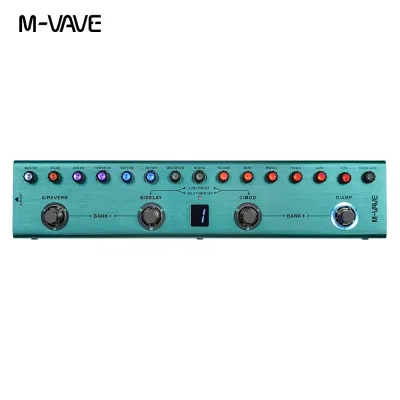
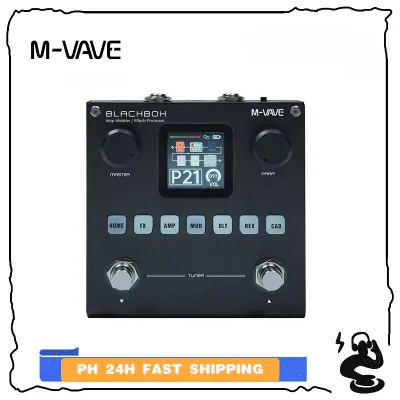
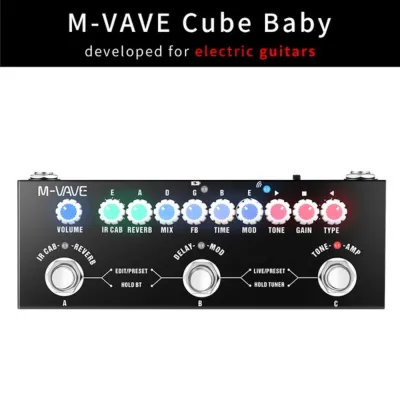
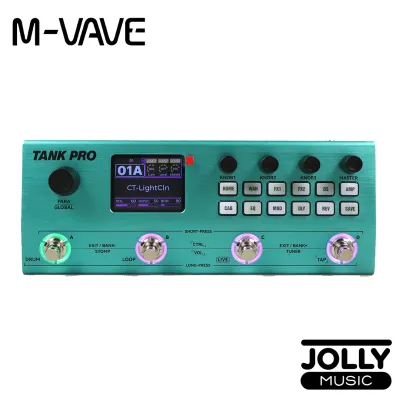
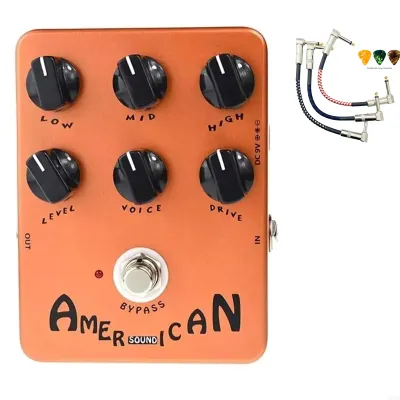
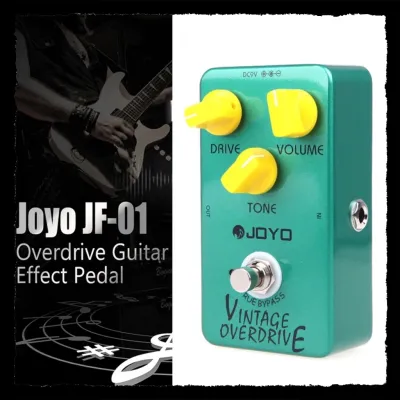
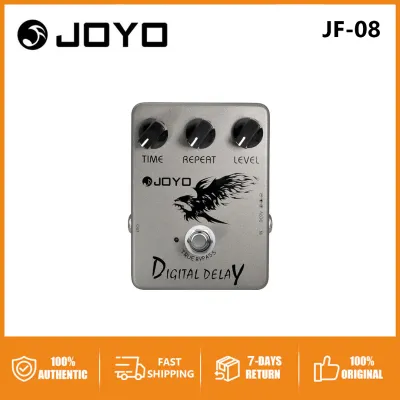
Prices are valid at publication and may change. Please refer to the product page for the latest price.
It is also vital to distinguish between the desire for tone exploration and the actual need to improve your playing technique. When you are learning fundamental skills like clean chord transitions, finger independence, and scale patterns, heavy effects can actually hinder your progress. For instance, excessive distortion or long delay repeats can mask mistakes, making it difficult to hear when your fretting is sloppy or your timing is off. Keeping your signal clean helps you develop a cleaner touch and better control.
Additionally, consider your physical practice environment. If you live in a typical neighborhood or apartment in the Philippines, you likely practice at low volumes or use headphones to avoid disturbing others. Some high-gain distortion pedals only sound their best when pushing a physical speaker at high volumes, which may not be practical for bedroom practice. High humidity can also affect electronic components over time, meaning a simpler setup with fewer cables and jacks is often easier to maintain and troubleshoot in tropical climates.
Match Effects to Your Playing Style and Genre
Your musical preferences should dictate which effects you explore first. If you are drawn to clean, ambient, or acoustic-leaning genres like indie folk, dream pop, or worship music, your primary focus should be on time-based effects. Reverb and delay are the cornerstones of these styles, adding space, depth, and a sense of atmosphere to otherwise dry notes.

If your goals lean toward rock, blues, or metal, your primary need will be saturation and drive. Overdrive pedals mimic the warm, natural breakup of a tube amplifier pushed to its limits, making them excellent for blues and classic rock. Distortion and fuzz pedals offer much heavier saturation, clipping your signal aggressively to deliver the sharp, aggressive crunch needed for modern rock and heavy metal. Identifying which of these sounds matches your favorite songs prevents you from buying a pedal that does not fit your style.
On the other hand, complex modulation effects like flangers, phasers, or pitch shifters are rarely necessary for early learning. While they can produce wild and exciting sounds, they are highly situational and can quickly become distractions. Focus first on mastering the core tone of your genre before trying to replicate complex studio production tricks.
Essential Starter Pedals Versus Optional Additions
When you are ready to build a physical pedalboard, it helps to categorize pedals into essentials, conditional needs, and optional extras. The single most important pedal for any guitarist is a dedicated chromatic tuner. While clip-on tuners are convenient for home practice, a pedal tuner sits at the front of your signal chain, mutes your instrument for silent tuning, and provides highly accurate readings even in noisy environments. It is a fundamental utility tool that you will use every single time you play.
Beyond a tuner, other pedals are conditionally essential based on your amplifier’s limitations. If your amplifier only has a clean channel and you want to play rock music, an overdrive or distortion pedal becomes a necessity. Similarly, if your amplifier lacks built-in reverb, a basic reverb pedal is highly recommended to prevent your guitar from sounding flat and lifeless in a dry room.
Most other effects fall firmly into the optional category. Chorus and tremolo add beautiful movement to your tone, but they are not required to learn songs. Loop pedals are fantastic practice tools for creating your own backing tracks, but they require precise foot-timing that can be frustrating for absolute beginners. Save these purchases for when you have mastered basic rhythm playing and want to expand your creative options.
Choosing Between Individual Pedals and Multi-Effects Units
Once you decide to add effects, you must choose between buying individual single-purpose pedals or a multi-effects processor. Individual pedals offer a highly tactile, focused learning experience. Each pedal has dedicated physical knobs, making it easy to see exactly how turning a dial changes your sound. This hands-on approach is excellent for understanding the physics of guitar tone, though buying several pedals, patch cables, and a power supply can quickly add up to a significant investment of ₱5,000 or more.
Multi-effects units, by contrast, offer incredible value and versatility. A single processor can contain digital models of hundreds of different pedals, amplifiers, and cabinets. This allows you to experiment with almost every effect imaginable without spending a fortune. It is an excellent way to discover which effects you actually enjoy using before committing to expensive individual hardware. The trade-off is that these units often require navigating digital menus and screens, which some players find less intuitive than turning physical knobs.
Before making a final decision, it is highly recommended to visit local music stores in major urban areas like Manila or Cebu. Testing different units in person allows you to feel the build quality, hear how the digital models sound through an amplifier similar to yours, and check if the interface feels comfortable to navigate.
Frequently Asked Questions (FAQ)
Do I need a specific power supply for my first pedals?
Yes, guitar pedals require specific power parameters to operate safely and quietly. Most standard pedals run on 9-volt Direct Current (DC) power with a center-negative polarity, but you must always check the labels on the pedal and the power adapter before plugging them in. Using the wrong voltage or polarity can permanently damage your pedal’s internal circuitry. While cheap daisy-chain cables allow you to power multiple pedals from a single adapter, they often introduce unwanted hum and electrical noise into your signal. For a quieter setup, especially when mixing digital and analog pedals from different brands, consider investing in an isolated power supply.
Can I use guitar effects with an acoustic guitar?
You can use effects with an acoustic guitar, but you must choose them carefully. Acoustic guitars equipped with piezo or magnetic pickups can easily run through reverb, delay, and chorus pedals to add depth to your live sound. However, you should avoid high-gain effects like heavy overdrive or distortion. The hollow body of an acoustic guitar is highly sensitive to sound vibrations, and adding high levels of gain will almost instantly cause loud, uncontrollable feedback. If you want to shape your acoustic tone, look into dedicated acoustic preamps or direct input (DI) boxes rather than standard electric guitar distortion units.
Community discussion
Share your experience or ask a question. Comments are reviewed before publication.