
Finding the right EVH electric guitar requires balancing your technical playing demands with your budget. Named after the legendary Eddie Van Halen, these instruments are engineered for high-performance playing, fast neck profiles, and robust tonal options. Whether you are a bedroom hobbyist, a gigging musician in local venues, or a dedicated collector, the EVH lineup offers distinct series tailored to different skill levels and musical styles. Navigating these options involves understanding how body shapes, hardware configurations, and manufacturing origins influence both the price tag and the overall playing experience.
In the tropical climate of the Philippines, choosing the right instrument also means considering how environmental factors like high humidity affect guitar maintenance. From the flagship Wolfgang models to the visually striking Striped Series, each instrument is built with specific performance goals in mind. By evaluating your musical preferences, technical requirements, and maintenance comfort level, you can identify the exact model that will support your musical journey.
Understanding the Core EVH Guitar Series
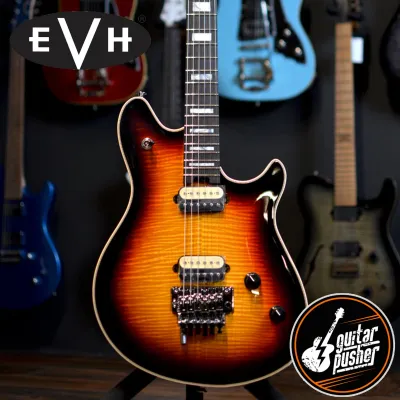
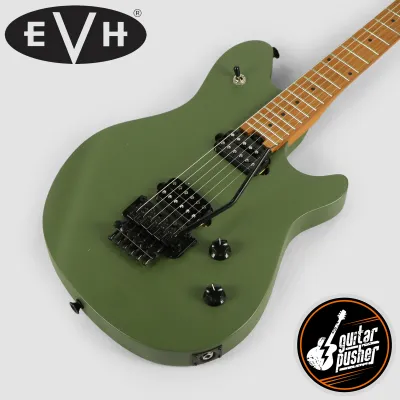
The Wolfgang lineage represents the flagship design of the EVH brand. Named after Eddie’s son, the Wolfgang features an offset, double-cutaway body shape that balances comfortably whether sitting or standing. This design is optimized for modern players who require unrestricted access to the upper frets, high-output pickups, and ergonomic contours. The Wolfgang is not just a rock guitar; its balanced body and versatile electronics make it a highly adaptable tool for various genres, from fusion to modern metal.
Products mentioned in this guide
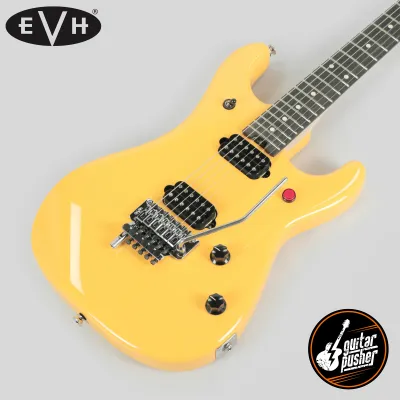
3 Lazada user ratings
great! as expected! feels great to play! Simple yet elegant guitar. courier managed to deliver even if its late.👍 Got push'd!
super happy sa tunog ng guitar
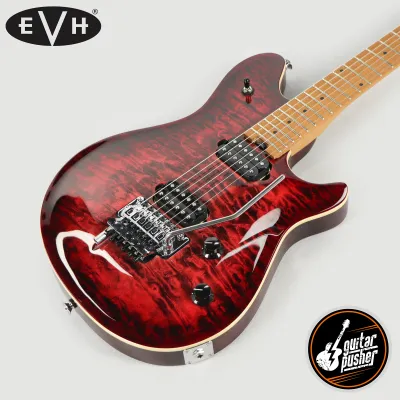
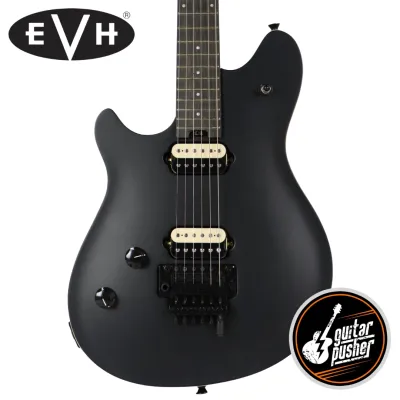
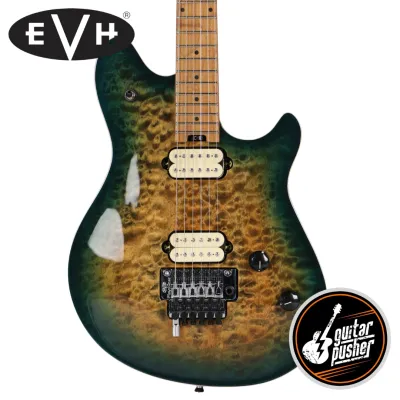
Prices are valid at publication and may change. Please refer to the product page for the latest price.
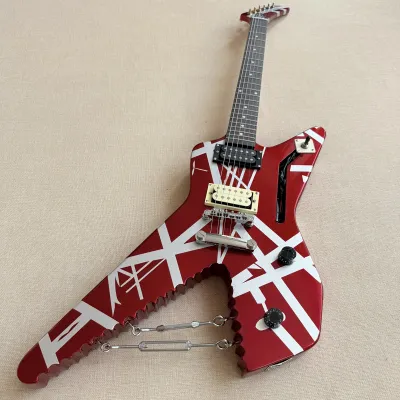
For players drawn to historical rock aesthetics, the Striped Series offers a direct connection to Eddie Van Halen’s legendary home-built instruments. These guitars feature the iconic red, white, and black, or black and yellow striped graphic patterns that defined an era of guitar design. Beyond their striking visual appeal, Striped Series models are built on classic double-cutaway platforms, often utilizing single-humbucker configurations and vintage-style hardware. They appeal to purists who want a straightforward, high-energy rock machine with minimal controls and maximum visual impact.
Beyond these two primary pillars, the EVH lineup includes alternative formats designed for specific acoustic and tonal characteristics. For instance, semi-hollow body variations introduce a unique resonance and open midrange character to the high-gain platform. These models feature internal chambering that alters the guitar’s feedback threshold, allowing players to manipulate sustained notes with greater control. This makes them highly suitable for players who blend traditional rock styles with blues, jazz, or experimental textures where acoustic feedback can be harnessed creatively.
Matching EVH Features to Your Playing Style
If your playing style leans toward high-gain solos, rapid-fire arpeggios, and expressive tremolo work, you will want to focus on models equipped with high-output humbuckers and locking tremolo systems. EVH humbuckers are specifically voiced to maintain clarity even under heavy distortion, preventing your chords from turning into muddy noise. A double-locking Floyd Rose tremolo system is essential for executing dramatic dive bombs and squeals while maintaining tuning stability. Many of these models also feature the EVH D-Tuna, a patented device that allows you to drop the low E string to D instantly, expanding your tonal range on the fly.

For classic rock, blues, or rhythm-focused players, a simpler hardware configuration often provides a more direct and reliable playing experience. Hardtail bridges, such as the tune-o-matic style with a stop tailpiece or top-loading hardtail designs, eliminate the complexity of a floating tremolo. This results in faster string changes, easier tuning adjustments, and a subtle increase in natural sustain and tuning stability. Coupled with simpler control layouts—often just a single master volume control—these models allow you to focus entirely on your performance without worrying about bridge balance or accidental setting changes.
Ergonomics and playability are central to the EVH design philosophy, particularly regarding neck construction. Most EVH guitars feature a compound radius fretboard, which typically transitions from a rounder 12-inch radius near the nut to a flatter 16-inch radius at the higher frets. This design makes it comfortable to play rhythm chords near the headstock while preventing bent notes from buzzing out or choking when soloing high up on the neck. Additionally, hand-rubbed oil neck finishes provide a smooth, natural wood feel that reduces friction, though players in humid environments must be prepared to perform regular neck maintenance to protect the wood.
Navigating Budget Tiers and Build Origins
The EVH catalog is organized into distinct budget tiers that correspond to manufacturing origins and material selections. At the top of the spectrum are the USA-built models, crafted in limited production runs with meticulous attention to detail. These premium instruments feature top-tier tonewoods, such as solid basswood bodies with thick maple caps, high-grade ebony or maple fingerboards, and custom-wound pickups. The craftsmanship on these models is evident in the hand-rolled fretboard edges, flawless finishes, and premium hardware, making them a significant investment suited for professional musicians and serious collectors.
For intermediate players or those looking to upgrade from an entry-level instrument, the imported models offer an exceptional balance of performance and value. The Wolfgang Special series, typically manufactured in Mexico, retains many of the core features of the USA models, including a carved top, direct-mounted EVH Wolfgang humbuckers, and robust hardware, at a more accessible price point. Further down the price scale, the Wolfgang Standard series, often produced in Indonesia, features a flat-top body with a comfortable forearm contour and baked maple necks, providing a highly reliable gigging tool that fits within a modest budget.
When comparing these tiers, it is important to evaluate the cost-to-feature ratio to determine which model offers the best value for your specific needs. Upgraded features such as exotic wood veneers (like quilt or flame maple), multi-ply body binding, and premium brand-name hardware contribute to a guitar’s aesthetic appeal and durability but may not be strictly necessary for every player. By analyzing the baseline specifications of the Standard models against the upgraded appointments of the Special and USA lines, you can decide whether the cosmetic and hardware upgrades justify the additional cost for your playing style.
Key Specifications to Verify Before Buying
Before finalizing your purchase, it is crucial to verify that the guitar’s bridge type aligns with your maintenance skills and setup preferences. Double-locking tremolo systems require a solid understanding of bridge tension, string-changing techniques, and intonation adjustments. If you prefer a low-maintenance instrument or frequently change tunings during a performance, a hardtail model will save you significant time and frustration. Ensure you are comfortable with the learning curve of a locking system before committing to a Floyd Rose-equipped model.
You should also inspect the pickup switching and electronics configuration to ensure they support your specific tonal workflow. Some EVH models feature specialized electronics, such as low-friction volume pots designed for smooth volume swells, high-friction tone pots that resist accidental movement, or dedicated kill switches for creating rhythmic stutter effects. Additionally, check if the model includes coil-splitting capabilities or unique toggle switch orientations, as these features can dramatically expand your sonic palette in both live and studio environments.
Finally, when purchasing an EVH guitar in the Philippines, always verify the authorized dealer status of the seller to protect your investment and avoid counterfeit instruments. Authorized dealers can provide official manufacturer warranties and ensure that the guitar has been stored in a climate-controlled environment to prevent humidity-related damage. Check whether the purchase includes essential accessories, such as a fitted hard case or a high-quality gig bag, which are vital for protecting the guitar’s wood and hardware from the high humidity and tropical climate conditions common in the region.
Frequently Asked Questions (FAQ)
Are EVH guitars only suitable for playing hard rock and metal?
While EVH guitars are famous for their association with high-gain rock and metal, they are remarkably versatile instruments. The custom-voiced humbuckers are designed to be highly dynamic, cleaning up beautifully when you roll back the guitar’s volume knob. Many models also feature electronics that allow for clear, articulate clean tones, making them suitable for blues, jazz, pop, and country. When paired with different amplifiers and effects pedals, an EVH guitar can easily adapt to almost any musical genre.
What are the main differences between the Wolfgang Standard and Special editions?
The primary differences lie in the body construction, hardware specifications, and manufacturing origin. The Wolfgang Special typically features a carved top, solid basswood body (often with a maple cap), direct-mounted pickups, and is manufactured in Mexico. The Wolfgang Standard features a flat-top body with a forearm contour, a baked maple neck, and is manufactured in Indonesia. While both models offer excellent playability and the classic Wolfgang shape, the Special provides upgraded hardware and a more traditional carved aesthetic, while the Standard offers a highly cost-effective alternative.
How do I safely maintain a locking tremolo system on an EVH guitar?
Maintaining a locking tremolo involves a few simple, safe practices to prevent damage and maintain tuning stability. When changing strings, replace them one at a time to maintain constant tension on the bridge and avoid throwing the setup out of balance. Use a soft, dry microfiber cloth to wipe down the bridge and hardware after every playing session, as sweat and high humidity can lead to corrosion and rust over time. If you need to make major adjustments to the action, intonation, or spring tension, and you are unsure of the process, it is always safest to consult a professional luthier to avoid damaging the knife edges of the tremolo.
Community discussion
Share your experience or ask a question. Comments are reviewed before publication.