
Collecting physical music media has evolved from a simple way to listen to music into a highly specialized hobby centered on curation, preservation, and community. For fans of the South Korean group ENHYPEN, navigating the diverse landscape of physical releases requires a clear understanding of edition differences, packaging formats, and the factors that drive long-term value. Whether you are a dedicated collector aiming to complete a discography or a casual listener looking for a single high-quality keepsake, prioritizing the right limited and special editions is key to building a meaningful collection.
Determining which ENHYPEN limited edition albums are worth collecting involves evaluating physical build quality, the exclusivity of included merchandise, and the presence of rare pre-order benefits. Focusing on authentic, structurally durable physical releases ensures that your collection remains both personally rewarding and physically preserved over time. By analyzing the various formats available—ranging from traditional deluxe box sets to modern digital hybrids—collectors can make informed decisions that align with their budget, display preferences, and long-term collecting goals.
How to Evaluate ENHYPEN Limited Edition Collectibility
In the K-pop industry, the term “limited edition” or “special edition” can encompass several distinct release strategies. Unlike traditional music markets where a limited edition might simply feature a different colored vinyl, K-pop releases often tie collectibility to specific production runs, retail channels, and randomized physical inclusions. Understanding these variables is essential before allocating your budget to high-priced items on the secondary market.
Products mentioned in this guide
![[ONHAND] ENHYPEN THE SIN: VANISH REGULAR VERSION (UNSEALED)](https://img.lazcdn.com/g/ff/kf/S879fe66de3984ab49dacef33de7464f6w.jpg_400x400q80.jpg_.webp)
![NCAT ENHYPEN: DARK BLOOD [ENGENE VER.]](https://img.lazcdn.com/g/p/027dc3b502f0f901d0319160c2d7b18c.jpg_400x400q80.jpg_.webp)
Prices are valid at publication and may change. Please refer to the product page for the latest price.
The first major factor in collectibility is the distinction between first-press runs and subsequent reprints. First-press editions are the very first batch of albums manufactured for a release. These copies often contain exclusive physical items that are permanently omitted from later pressings, such as limited-edition posters, special sticker sheets, or highly coveted instant photos (often referred to as polaroids) that are randomly inserted into only a few hundred copies worldwide. Once the first-press run sells out, these specific physical assets are rarely reproduced, causing their value among collectors to rise significantly.
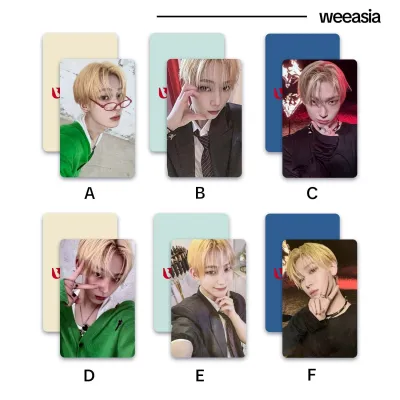
Beyond the standard album contents, pre-order benefits (POBs) play a dominant role in determining collector value. Major music retailers—such as Weverse Shop, Soundwave, Power Station, M2U, Aladin, and Yes24—frequently partner with record labels to offer exclusive physical photocards with every album purchased during the pre-order window. These cards are not found inside the sealed album box itself; instead, they are distributed separately by the retailer. Because these benefits are only available for a limited time and vary in design depending on the store, they become highly sought after on the secondary market, often driving up the perceived value of the associated album edition.
Another critical dimension of collectibility is the physical condition and completeness of the album. In the collector community, a strict premium is placed on factory-sealed copies. A sealed album guarantees that all original contents, especially the randomized photocards and postcards, are intact and have not been sorted or swapped. Conversely, opened or “unsealed” copies are widely available and significantly cheaper. While unsealed albums are excellent for budget-conscious fans who simply want the photobook and CD, they lack the investment appeal of a pristine, unopened package.
Finally, the rise of the secondary market has made authenticity verification a vital skill for collectors. High-value items, particularly rare promotional albums or exclusive broadcast photocards given to fans at television music show recordings, are occasionally targeted by counterfeiters. Before purchasing a high-value limited edition from an independent seller or online marketplace, collectors must learn to inspect physical security markers, print quality, and packaging details to ensure they are acquiring a genuine piece of memorabilia.
Key ENHYPEN Album Formats to Prioritize
Choosing which formats to prioritize depends heavily on how you intend to store, display, and interact with your collection. ENHYPEN’s discography spans several physical and digital-hybrid formats, each offering a different balance of physical presence, interactive features, and long-term durability.

Jewel Case and Digipak Special Editions
Traditional physical formats remain the cornerstone of any serious music collection. Jewel cases, which utilize rigid plastic shells, and digipaks, which feature a paperboard outer binder with a plastic tray inside, offer excellent structural protection for the physical CD. For special or limited releases, labels often package these formats inside premium, heavy-duty box sets that include thick, high-quality photobooks, lyric booklets, and multiple exclusive photocards.
The primary appeal of these traditional formats lies in their independence from external technology. A physical CD and a printed paper photobook do not require software updates, internet connectivity, or active mobile applications to be enjoyed. This independence gives traditional formats a much higher baseline of long-term collector value compared to digital hybrids. Furthermore, the substantial weight and large dimensions of deluxe box sets make them highly desirable for shelf display, serving as a prominent visual centerpiece for your collection.
Kit Albums and Interactive Formats
Kit albums (often branded as KiT or Kihno albums) represent a technological bridge between physical media and digital convenience. A Kit album consists of a small, square plastic device containing the album’s metadata. To play the music, users connect the physical kit to a smartphone or tablet—either via a headphone jack connection or through wireless near-field communication (NFC) and ultrasonic signals—using a dedicated mobile application.
While Kit albums offer a novel unboxing experience and frequently include exclusive, high-quality physical photocard sets, they carry distinct long-term risks. Because playback is entirely dependent on a proprietary mobile application and current mobile operating systems, future software updates can render older Kit devices obsolete or incompatible. If the app developer ceases updates or if smartphone hardware changes fundamentally, the physical kit may lose its playback functionality entirely. Consequently, collectors should view Kit albums primarily as physical display items and photocard sources rather than permanent, reliable music players.
Weverse Albums and Digital-Physical Hybrids
Weverse albums are designed as eco-friendly, compact alternatives to traditional heavy packaging. These releases contain no physical CD or large-format photobook. Instead, they consist of a small, card-sized package containing a QR code card or an NFC-enabled card. Scanning this card registers the digital album on the Weverse Albums mobile application, granting access to high-quality digital audio tracks, digital photobooks, and exclusive digital media.
From a collector’s perspective, Weverse albums occupy a unique niche. While they significantly reduce storage space and are highly convenient for digital listening, they generally hold lower traditional value than full physical CDs. The primary value of a physical Weverse album package is almost entirely concentrated in the physical photocards included in the box. Many collectors purchase these versions solely to obtain the physical cards, often leaving the digital QR codes unused or trading them within the community.
Vinyl LPs and Concert-Exclusive Merchandise
For audiophiles and collectors seeking the highest tier of physical exclusivity, limited-edition vinyl records (LPs) and concert-exclusive merchandise are the ultimate acquisitions. Vinyl releases of K-pop albums are typically pressed in much smaller quantities than CD formats, making them instantly rare. These large-format records offer physical appeal, featuring expansive gatefold jackets, large-format lyric sheets, and sometimes colored or picture-disc vinyl.
When collecting vinyl, however, practical considerations are paramount. Collectors must verify pressing details, regional distribution, and potential shipping risks, as vinyl is highly susceptible to warping during transport in warm climates. Additionally, playing these records requires a proper analog turntable setup. Utilizing cheap, suitcase-style record players with heavy tracking forces can permanently damage the delicate grooves of a rare LP, undermining its physical and acoustic value. Concert-exclusive physical media, such as tour-edition CDs or DVDs sold only at venue booths, similarly command high prices due to their restricted geographic availability.
Essential Pre-Purchase Checks for K-Pop Collectors
Acquiring limited edition albums, especially older or out-of-print releases, often requires purchasing from secondary market sellers, group order managers, or international retailers. To protect your investment and ensure you receive exactly what you expect, always perform these essential pre-purchase checks.
- Version and Language Verification: K-pop albums are frequently released in multiple distinct versions, each featuring unique concept photos, photobook designs, and packaging colors. Before finalizing a purchase, double-check the exact version name (e.g., Version A, Version B, or specific member-focused editions) to ensure it matches your collection checklist. Additionally, verify the language of the printed content and the manufacturing origin. Japanese editions of ENHYPEN albums often feature different tracklists, packaging layouts, and exclusive photocard designs compared to the standard Korean releases. Never assume the contents of an album based solely on the cover art or a generic product title.
- Media and Device Compatibility: If you are purchasing digital-hybrid formats or video media (such as DVD or Blu-ray concert packages), compatibility is a critical concern. For physical video discs, check the region code specified on the packaging (e.g., Region 1, Region 3, or Region A/B/C) to ensure it will play on your local media player. For Kit or Weverse albums, verify that your smartphone's operating system meets the minimum requirements for the corresponding mobile applications. Purchasing an expensive special edition only to find that the media cannot be played or accessed on your local devices is a common and avoidable disappointment.
- Content Completeness: When buying from secondhand marketplaces or independent sellers, read the product description with meticulous care. Look for explicit statements regarding which inclusions are present. Sellers frequently use terms like "unsealed, no PC" to indicate that the highly valued photocard has been removed. If the listing states "all inclusions included," ask the seller for a continuous, unedited video showing the unboxing or inspection of the item. This video should clearly display the presence of the CD, photobook, lyric sheets, postcards, stickers, and photocards, confirming that no components have been lost or damaged.
- Authorized Sources: To minimize the risk of receiving counterfeit items or damaged goods, prioritize purchasing from authorized K-pop retailers, official global brand stores, or highly rated sellers on established e-commerce platforms. Reputable retailers often provide official tracking information and secure packaging to protect items during transit. When sourcing rare, out-of-print editions from independent sellers on secondhand platforms, look for profiles with a long history of positive feedback, clear product photos taken against a personalized background, and a willingness to provide proof of purchase from official distributors.
Preserving Your ENHYPEN Collection in Humid Climates
For collectors living in tropical regions like the Philippines, environmental preservation is one of the most challenging aspects of the hobby. High relative humidity, elevated temperatures, and intense sunlight can rapidly degrade physical paper, cardboard, and plastics if proper precautions are not taken.
- Humidity and Temperature Control: The climate in the Philippines regularly experiences relative humidity levels exceeding 70% to 80%, particularly during the rainy season. Excessive humidity causes paper fibers to expand and absorb moisture, leading to warped photobooks, wavy pages, and the growth of mold or mildew. To prevent this, store your album collection in a well-ventilated room with consistent air circulation. Avoid placing shelves directly against exterior walls, as temperature differentials can cause condensation to form behind the albums. Utilize moisture-absorbing products, such as silica gel packets or disposable dehumidifier tubs containing calcium chloride, on your display shelves. If using reusable silica gel, monitor the color-changing indicator beads regularly and reactivate them according to the manufacturer's instructions when they become saturated. Additionally, keep your collection away from windows; direct sunlight contains ultraviolet (UV) rays that will quickly fade the vibrant inks on album spines and covers, permanently reducing their visual appeal.
- Photocard Protection: Photocards are often the most valuable and delicate components of a K-pop collection. Protecting them requires high-quality, archival-safe materials. Never store photocards in sleeves or binder pages containing polyvinyl chloride (PVC) or chemical acids. Over time, PVC degrades and releases hydrochloric acid, which will chemically bond with the photocard's glossy surface, causing the ink to lift, bubble, or stick permanently to the plastic. Instead, always use sleeves made of PVC-free, acid-free polypropylene (PP) or archival-grade mylar. For maximum protection, employ a "double-sleeving" technique: place the card in a tight-fitting inner sleeve, and then insert it in the opposite direction into a slightly larger outer sleeve. For display or shipping, place the sleeved card inside a rigid plastic top loader. Store your sleeved cards in dedicated collector binders featuring acid-free pocket pages to prevent scratching, bending, and physical wear.
- Handling Sealed Items: If you choose to keep certain limited editions factory-sealed, proper storage physical mechanics are essential. Do not stack sealed albums horizontally in tall, heavy piles. The heavy weight of multiple albums can compress the lower copies, causing the tight plastic shrink wrap to warp or crease the outer cardboard packaging. Store sealed albums vertically, side-by-side, similar to books on a library shelf. Ensure they are packed loosely enough to prevent friction when removing them, but tightly enough to keep them standing perfectly upright without leaning, which can cause structural warping over time.
Frequently Asked Questions (FAQ)
Are ENHYPEN Weverse albums considered real physical albums by collectors?
Yes, Weverse albums are officially recognized physical releases and are counted on major South Korean music charts, such as the Hanteo Chart and Circle Chart, toward the group’s physical sales totals. However, within the collector community, their status is often viewed as a hybrid format. Because they lack a physical CD and a traditional large-format printed photobook, many dedicated collectors do not value them as highly as standard physical editions or deluxe box sets. Their secondary market value is almost entirely driven by the exclusive physical photocards included in the package and the unique digital content linked to the Weverse Albums application, rather than their physical shelf presence.
How can I tell if an ENHYPEN limited edition album is counterfeit?
Verifying the authenticity of an ENHYPEN album involves inspecting several physical security and manufacturing details. First, locate the official KOMCA (Korea Music Copyright Association) hologram sticker, which is typically found on the back cover of official albums. This sticker should feature a distinct reflective pattern and a unique serial number that changes color when tilted under a light source. Second, examine the overall print quality: genuine albums feature sharp, high-resolution images, precise color grading, and clean, professional binding. Counterfeit items often exhibit blurry text, washed-out or overly saturated colors, and irregular paper cuts or rounded corners that do not match official specifications. Comparing a suspicious item side-by-side with a verified authentic copy or detailed unboxing videos from reputable creators is a highly effective way to spot discrepancies.
Do first-press ENHYPEN albums always increase in value?
While first-press ENHYPEN albums are highly sought after due to their limited-run inclusions and pre-order benefits, they do not automatically guarantee a financial return. The secondary market value of K-pop merchandise is highly dynamic and depends on factors such as overall fan demand, the rarity of specific photocard pulls, and whether the record label decides to issue official reprints. If a previously out-of-print album receives a surprise reprint run, the market value of the physical album itself often drops, even if the original first-press exclusive benefits retain some premium. To ensure a rewarding experience, collectors should approach the hobby out of a personal appreciation for the music, design, and artistry of the group, rather than viewing physical albums solely as guaranteed financial investments.
Community discussion
Share your experience or ask a question. Comments are reviewed before publication.