
For readers looking to begin their journey into the popular contemporary romance novels of Elsie Silver, the most recommended starting point is Flawless, the first book in the highly celebrated Chestnut Springs series. This book serves as an ideal introduction because it establishes the author’s signature small-town atmosphere, introduces a recurring cast of characters, and showcases the high-stakes emotional tension that defines her writing style. Starting here allows you to experience the natural progression of the town’s tight-knit community and appreciate the subtle character cameos that appear in subsequent novels.
However, because many of these contemporary romance novels are written as interconnected standalones, you do not strictly have to start with the very first publication. If you have a strong preference for specific romantic dynamics—such as sports romance, fake dating, or forced proximity—you can choose a starting book that aligns directly with your favorite tropes. Navigating these options requires a clear understanding of how the author’s fictional universes are structured, how to choose books based on character archetypes, and how to verify book editions before making a purchase in the Philippines.
Understanding Elsie Silver's Book Universes
To get the most out of your reading experience, it helps to understand how the author structures her fictional worlds. Unlike traditional fantasy or sci-fi series where a single continuous plot spans multiple volumes, contemporary romance series are typically composed of interconnected standalones. In this setup, each individual book focuses on a completely different couple, tracking their relationship from the initial spark to a resolved, happy ending. This means you can read any single book and receive a complete, satisfying story without being left on a cliffhanger.
Products mentioned in this guide

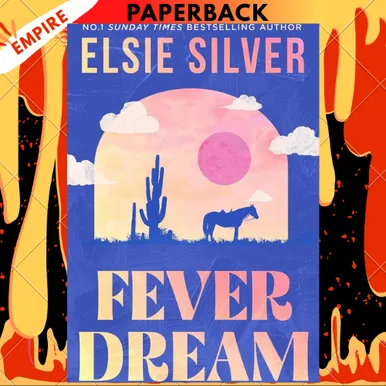
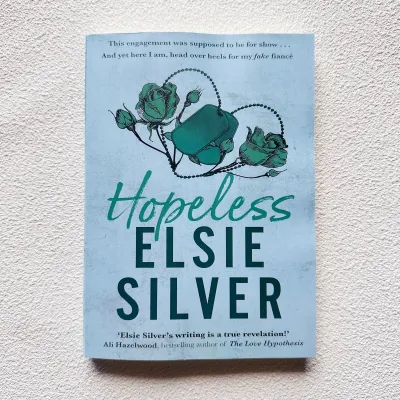
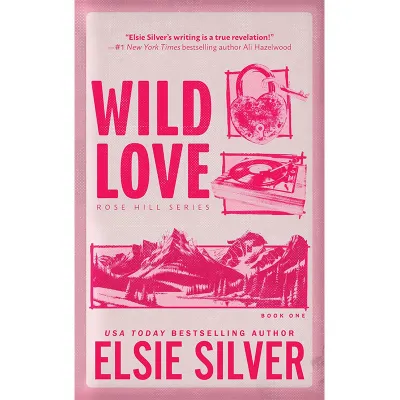
Prices are valid at publication and may change. Please refer to the product page for the latest price.
Despite having self-contained romantic plots, these books are deeply connected through shared settings and recurring characters. When you read a series set on a rustic ranch or within a small, gossipy town, the main characters of the other books in that series will frequently appear as supportive siblings, protective friends, or local rivals. This crossover element creates a rich, living universe where you get to see beloved couples from previous books navigating their lives in the background of the current story.
These interconnected settings typically revolve around specific themes, such as small-town ranching life or professional sports leagues. For instance, one universe might immerse you in the daily operations of a family-run horse breeding farm, while another might follow the high-pressure careers of professional athletes. Because the characters are bound by family ties, friendships, or professional contracts, their lives naturally overlap, making the transition from one book to the next feel organic and rewarding.
Before committing to a specific book, it is highly recommended to verify the official series groupings on the author’s official website or through authorized publisher pages. Because authors frequently expand their universes with spin-offs, novellas, or companion series, relying solely on online fan forums can sometimes lead to confusion. Checking official sources ensures you know exactly which books belong to which universe, helping you set accurate expectations for the setting and character dynamics you are about to enter.
Choosing Your First Book by Romance Tropes
If you prefer to prioritize your favorite romantic dynamics over chronological order, selecting your first book based on romance tropes is an excellent strategy. Tropes are the familiar narrative frameworks and character archetypes that shape a story’s conflict and tension. By matching your personal reading preferences to the specific tropes featured in a book, you are much more likely to stay engaged and fall in love with the author’s writing style from the very first page.

For readers who enjoy high-contrast personalities, the “grumpy meets sunshine” trope is a fantastic entry point. This dynamic typically pairs a brooding, reserved, or cynical hero with an optimistic, vibrant heroine, resulting in delightful banter and slow-burn tension as they gradually break down each other’s walls. Alternatively, if you love stories where characters are forced into close quarters, look for books featuring “fake dating” or “forced proximity,” where external circumstances force two reluctant individuals to pretend to be in a relationship, inevitably leading to real emotions.
Other popular dynamics include sports romance, where the high-stakes world of professional athletics adds external pressure to the relationship, and age-gap or forbidden romance, which introduces compelling social or professional obstacles. If you prefer a deep emotional history between characters, a “friends-to-lovers” or “second-chance” romance might be your ideal starting point. Mapping these tropes to your personal tastes allows you to bypass the traditional reading order and dive straight into the exact type of tension you enjoy most.
Before finalizing your choice, take the time to read the book blurbs and check for content warnings. Book blurbs provide a concise summary of the plot, the main characters, and the central conflict, giving you a clear sense of the story’s tone. Content warnings, which can often be found on the author’s website or the opening pages of the book, are essential for ensuring the story aligns with your personal comfort levels. Starting with a trope you already adore, while ensuring the content is a good fit, creates a much more welcoming and enjoyable introduction to the author’s work.
Navigating Reading Orders: Publication vs. Chronological
When deciding how to tackle a multi-book universe, readers generally choose between two primary pathways: publication order and chronological order. Publication order refers to reading the books in the exact sequence they were written and released to the public. Chronological order, on the other hand, involves reading the books according to the timeline of events within the fictional world, which can sometimes differ if the author releases prequels or companion novellas later in their career.
Reading in publication order is highly recommended for most beginners because it allows you to experience the author’s growth in writing style, character development, and world-building naturally. Authors often drop subtle hints, inside jokes, and character introductions that are designed to be understood based on what was previously published. By following this path, you avoid the risk of “retroactive spoilers,” where a character’s future relationship status, career change, or family milestone is casually mentioned in a prequel or spin-off before you have read their main story.
On the other hand, chronological order appeals to readers who prefer a seamless, linear progression of time. This approach makes it easier to track the aging of characters, the development of the town, and the sequential flow of major community events. However, the downside is that chronological reading can sometimes feel disjointed if the writing style jumps between an author’s early works and their more polished, recently published prequels. It can also make character introductions feel out of sequence, as some characters might be treated as mysterious strangers in a book that was published earlier but takes place later.
To prevent confusion and avoid relying on outdated or inaccurate fan-made lists, always seek out the most up-to-date, official reading order checklists. These can typically be found on the author’s official website or verified publisher portals. Having an official checklist handy allows you to plan your reading journey with confidence, ensuring you do not accidentally skip a crucial companion novella or read a major sequel out of turn.
Pre-Purchase Checks for Formats and Editions
Before purchasing your first book, it is important to perform a few practical checks regarding formats, editions, and regional availability, especially when shopping in the Philippines. Contemporary romance novels are available in a variety of formats, including physical paperbacks, hardcovers, digital e-books, and audiobooks. You should select the format that best matches your reading habits and device compatibility, ensuring that digital files are compatible with your specific e-reader or that your preferred audiobook platform is accessible in your region.
For readers in the Philippines who prefer physical books, local environmental factors are an important consideration. The tropical climate and high humidity can cause physical book pages to yellow, warp, or develop spots over time. When purchasing paperbacks or hardcovers, look for high-quality print editions with sturdy binding and acid-free paper, which tend to hold up better against humidity. Storing your physical books in a well-ventilated area away from direct sunlight will also help preserve their condition.
When ordering physical copies from local bookstores or international online retailers, always verify the language edition and check for regional shipping restrictions. Some editions are published specifically for the North American or United Kingdom markets, which can affect cover art, spelling conventions, and shipping costs. Additionally, make sure you are purchasing from authorized sellers to avoid counterfeit copies, which often suffer from poor print quality, missing pages, or misaligned text.
Finally, confirm the completeness of the content and compare prices in Philippine Pesos (₱). Some special editions, indie-published versions, or traditional publisher editions (such as those by Bloom Books) may feature exclusive bonus content, such as extended epilogues, character illustrations, or author Q&As. Take the time to read the product specifications carefully to ensure you are getting the exact edition you want at a fair market price, allowing you to build a beautiful and complete collection.
Frequently Asked Questions (FAQ)
Do I need to read the books in order to understand the main romance?
No, you do not need to read the books in strict sequential order to understand the central romance of any individual book. Each novel in these interconnected series focuses on a different couple and concludes with a complete, standalone resolution and a guaranteed happy ending. However, reading the books out of order will expose you to minor spoilers regarding the relationships, marriages, or family updates of couples from previous books, as those characters frequently appear as supporting cast members in later stories.
Are there any content warnings I should check before starting?
Yes, it is highly recommended to check for content warnings before starting any of the books. While these contemporary romance novels are celebrated for their humor, emotional depth, and romantic tension, they also address sensitive themes such as grief, family loss, parental abandonment, and personal trauma. To ensure a comfortable and positive reading experience, you can find comprehensive, up-to-date content notes and trigger warnings listed on the author’s official website or printed on the copyright pages of the books.
Community discussion
Share your experience or ask a question. Comments are reviewed before publication.