
Finding the best eBook platform for interior design books in the Philippines depends on whether you prioritize building a permanent library of high-resolution reference manuals or accessing a rotating catalog of design magazines and trend guides. Because interior design literature relies heavily on high-fidelity photography, color-accurate swatches, and detailed floor plans, a standard text-focused digital reader is rarely sufficient. Instead, the ideal platform must preserve complex visual layouts while offering seamless access to international and regional design catalogs. By evaluating how different digital reading ecosystems handle image-heavy files and regional licensing, you can select a service that aligns with your professional projects or personal styling goals.
Key Criteria for Evaluating Design Book Platforms
When assessing digital platforms for visual-heavy interior design books, standard text readability metrics are secondary to layout preservation and image fidelity. The primary technical distinction to look for is whether a platform delivers books in a fixed-layout format or a reflowable text format. Reflowable text is ideal for standard novels because it adjusts to any screen size, but it can disrupt the precise alignment of text, floor plans, and photographs in a design book. A fixed-layout format preserves the exact page design of the printed edition, ensuring that annotations, labels, and material swatches remain positioned next to their corresponding illustrations.
Catalog depth is another critical factor, particularly for niche design subjects relevant to tropical living. Readers in the Philippines often seek specialized resources on tropical modernism, space-saving layouts for urban condominiums, and materials that resist high humidity. Before committing to a platform, verify whether its catalog includes publishers known for high-quality architectural and design monographs. Some platforms specialize in academic textbooks and professional construction codes, while others focus on consumer-facing home styling guides and shelter magazines.
Products mentioned in this guide
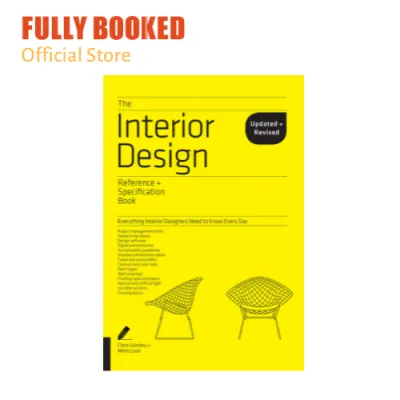
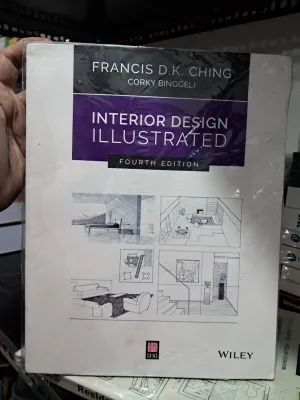
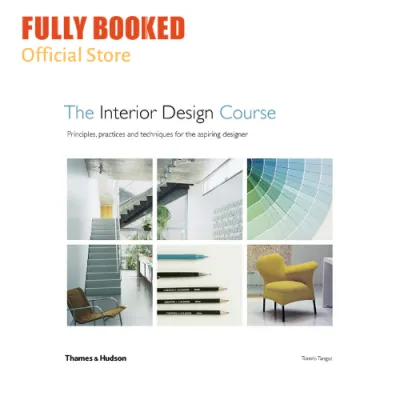
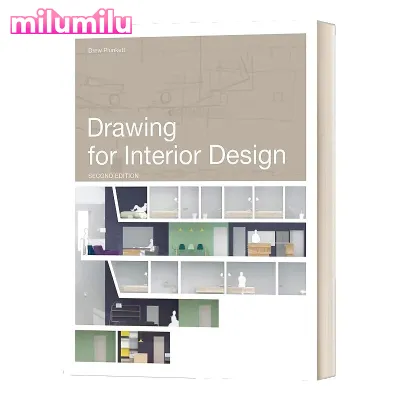
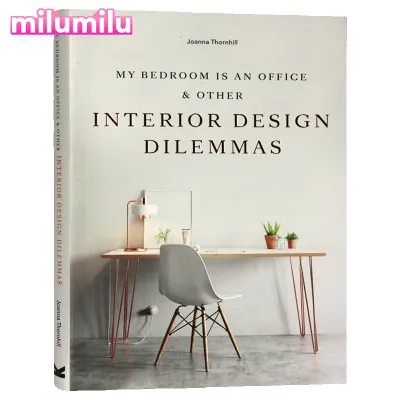
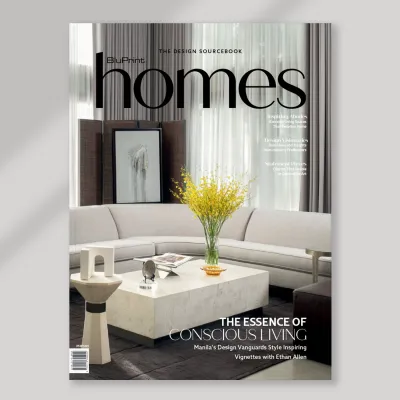

Prices are valid at publication and may change. Please refer to the product page for the latest price.
Device compatibility and screen optimization directly affect how you interact with design content. High-resolution floor plans and intricate color palettes require a screen capable of displaying fine details without constant zooming. While e-ink screens are excellent for reducing eye strain during long reading sessions, standard monochrome displays cannot render color-dependent material swatches or vibrant interior photographs accurately. Consequently, you must evaluate whether a platform offers robust companion applications for color tablets, laptops, or desktop monitors.
Finally, regional availability and payment integration determine the practical usability of a platform. Digital rights management (DRM) and licensing agreements can cause book availability to vary significantly by country. A title accessible in North America or Europe may be restricted in the Southeast Asian market. Additionally, a seamless user experience requires support for local payment methods, such as Philippine e-wallets, local debit cards, or direct mobile billing, allowing you to purchase titles or maintain subscriptions without relying on international credit cards.
Comparing Major eBook Platforms for Interior Design
Digital reading platforms generally fall into three primary categories: dedicated eReader ecosystems, subscription-based reading services, and broad digital storefronts. Each category operates under a distinct business model that influences catalog availability, image rendering quality, and overall cost. Because premium design publishers often maintain exclusive distribution agreements, understanding these platform categories is essential for locating specific reference titles.

Dedicated eReader Ecosystems
Dedicated eReader ecosystems are built around proprietary hardware but also offer companion applications for mobile devices and tablets. These platforms excel at delivering a seamless reading experience, but their primary hardware is often optimized for black-and-white text rather than high-resolution color graphics. When using these ecosystems for interior design books, it is crucial to verify if the specific title is offered in a fixed-layout format that preserves complex page designs.
To view high-resolution photographs and color-accurate renderings, readers must typically bypass standard e-ink devices in favor of the ecosystem’s companion app running on a color tablet or computer. Standard e-ink screens, while highly readable in bright sunlight, lack the color gamut and refresh rate needed to appreciate detailed interior photography or complex color wheels. Fortunately, most dedicated ecosystems allow you to sync your purchases across multiple devices, meaning you can research text-heavy design theory on an eReader and view the color plates on a tablet.
Before purchasing a design book within a dedicated ecosystem, always utilize the platform’s preview or sample feature. This allows you to check the image resolution and layout integrity on your preferred viewing device. Some digital conversions may compress images to reduce file sizes, which can render fine text on floor plans illegible. Verifying the sample ensures that the digital edition maintains the visual standards required for professional or academic reference.
Subscription-Based Reading Services
Subscription-based reading services offer unlimited access to a rotating catalog of books, magazines, and documents for a flat monthly fee. This model is highly advantageous for design enthusiasts who want to browse a wide variety of home styling trends, historical design movements, and shelter magazines without purchasing each title individually. It provides an affordable way to explore different design philosophies, from minimalist Scandinavian aesthetics to lush tropical concepts.
However, the trade-off for unlimited access is the potential absence of newly released monographs or premium academic textbooks. High-end design publishers often restrict their most popular or expensive titles from subscription catalogs to protect physical book sales. If you require specific, authoritative reference manuals for professional practice or formal study, you may find that these titles must still be purchased individually outside of your subscription.
Additionally, because design books contain numerous high-resolution images, their digital file sizes are exceptionally large, often exceeding several hundred megabytes per title. When using a subscription service, verify that the platform supports stable offline downloading and check how much storage space these files occupy on your device. It is also important to review the service’s cancellation policy; unlike purchased eBooks, any titles downloaded through a subscription service, along with your saved highlights and annotations, will typically become inaccessible once your subscription ends.
Broad Digital Storefronts and App Libraries
Broad digital storefronts operate as open marketplaces where you can purchase individual digital books and read them across a variety of devices using multi-platform applications. These storefronts are highly flexible because they are not tied to a specific brand of eReader hardware. They allow you to sync your reading progress, bookmarks, and annotations seamlessly across smartphones, tablets, and desktop computers, making them highly convenient for professional designers who move between the field and the office.
The search and filtering tools on these broad storefronts are often highly sophisticated, allowing you to narrow down search results by specific interior design sub-genres, authors, publishers, or publication dates. This makes it easier to locate technical textbooks on lighting design, space planning, or building materials. Many of these storefronts also host self-published portfolios and independent design guides that may not be available on more restrictive platforms.
For readers in the Philippines, broad digital storefronts frequently offer localized pricing and support for regional payment methods. This eliminates the hidden costs associated with foreign exchange fees and allows for straightforward transactions using local digital wallets or debit cards. Furthermore, these platforms often feature seasonal promotions or digital book sales, providing opportunities to acquire premium design titles at reduced prices.
Buying Individual Titles vs. Subscription Access
Choosing between purchasing individual design books and subscribing to a digital reading service depends on your reading frequency, professional requirements, and budget. For professional interior designers, architects, and students, buying individual reference titles is often the most practical approach. High-quality reference manuals, building codes, and detailed material guides are tools of the trade that you will consult repeatedly over several years. Purchasing these titles ensures permanent access to the material without the ongoing cost of a monthly subscription.
To determine the most cost-effective route, you can calculate your personal break-even point using a simple comparison. Let the monthly subscription cost be represented by ₱S, making the annual cost of the service 12 × ₱S. If you buy N books per year at an average individual price of ₱B, your total annual purchase cost is N × ₱B. If the annual subscription cost (12 × ₱S) is less than your projected purchase cost (N × ₱B), a subscription offers better financial value, provided the subscription catalog actually contains the specific titles you need.
However, if the specialized textbooks, historical monographs, or professional portfolios you require are excluded from subscription catalogs, maintaining a subscription may result in unnecessary spending. Many premium design publishers opt out of flat-rate subscription models entirely. Therefore, before committing to an annual subscription plan, search the platform’s catalog for your required reading list to ensure you will not have to pay extra to purchase those essential titles individually.
Decision Framework: Choosing Your Ideal Platform
To select the digital reading platform that best matches your interior design interests and reading habits, consider the following conditional guidelines:
First, choose a dedicated eReader ecosystem if you prioritize reading text-heavy design theory, history, or business guides without digital distractions. This option is ideal if you value long battery life and prefer a dedicated device, provided you are willing to use a companion app on a color screen when you need to examine high-resolution photographs or color swatches.
Second, choose a subscription-based reading service if you are a design enthusiast or student who wants to browse a wide variety of styles, trends, and digital shelter magazines on a predictable monthly budget. This model is perfect for inspiration-gathering and broad research, allowing you to explore numerous titles without the financial commitment of individual purchases.
Third, choose a broad digital storefront if you require high-resolution color viewing on a tablet, seamless cross-device syncing between your phone and computer, and permanent ownership of specific professional reference manuals. This approach ensures you can access your critical design resources instantly while on-site or during client consultations.
Regardless of the path you choose, always verify that your preferred platform supports the specific file formats used by your target publishers. Check the platform’s device compatibility list and test the image quality using free book samples before committing to a purchase or subscription.
Frequently Asked Questions (FAQ)
Can I read interior design eBooks on a standard black-and-white eReader?
While you can read text-heavy design theory, history, and biographies on a standard black-and-white eReader, these devices are not suitable for visual-heavy design books. High-resolution photographs, detailed floor plans, and color-dependent material swatches lose critical detail and contrast when rendered on a monochrome e-ink screen. For visual reference books and portfolio reviews, it is highly recommended to use the platform’s companion application on a color tablet, smartphone, or computer monitor to ensure accurate color representation and clarity.
Are digital interior design books cheaper than physical copies?
Digital editions of interior design books often have a lower base price than their physical counterparts because they eliminate printing, shipping, and physical storage costs. However, premium design books with high production values, exclusive photography, and complex layouts may still carry a high digital price tag due to publisher pricing strategies. To maximize your budget, look for platform-specific seasonal sales, bundle deals, or utilize subscription free trials to evaluate the content before making a permanent purchase.
Do I own the eBook after purchasing it?
When you purchase an eBook from a digital platform, you are typically buying a non-transferable license to read the content on authorized devices rather than absolute ownership of the digital file itself. This license is subject to the platform’s terms of service and digital rights management (DRM) policies. To safeguard your access, review the platform’s policies regarding account closures, device authorization limits, and long-term offline access to ensure your digital library remains available to you.
Community discussion
Share your experience or ask a question. Comments are reviewed before publication.