
Finding the right acoustic guitar strings is a highly personal decision that directly shapes your instrument’s voice, playability, and lifespan. For players exploring the D’Addario catalog, the choice comes down to matching your specific playing style, tonal preferences, and local environmental conditions with the appropriate string series and material. Whether you are a fingerstyle player seeking delicate note separation or a heavy strummer needing strong projection, understanding how different wrap wires, core designs, and coating technologies interact with your hands and instrument is the key to making an informed purchase.
In tropical environments where high humidity and heat are daily realities, your choice of string series also dictates how often you will need to perform maintenance or replace your set. Sweat and moisture accelerate the oxidation process, making the distinction between uncoated options and advanced treated or coated series a critical factor in your overall decision-making process. By evaluating your primary playing techniques, your guitar’s structural requirements, and your budget, you can easily identify the specific D’Addario series that will bring out the best in your acoustic guitar.
Understanding D'Addario Acoustic String Series
D’Addario offers a diverse range of acoustic guitar strings designed to cater to different performance needs, budgets, and tactile preferences. To navigate their selection effectively, it is helpful to first divide their lineup into two primary categories: traditional uncoated strings and modern treated or coated strings. Each category utilizes distinct manufacturing techniques to achieve specific balances of tone, feel, and longevity.
Products mentioned in this guide
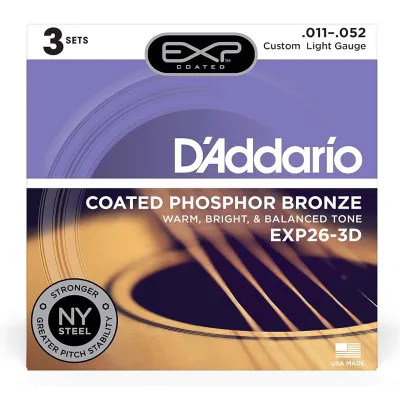
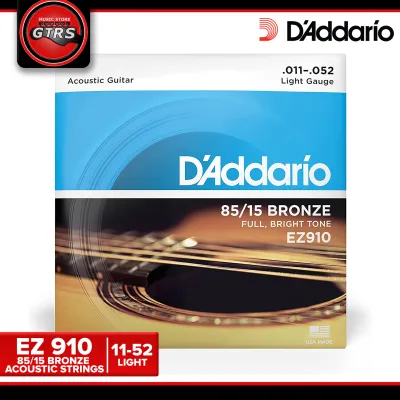
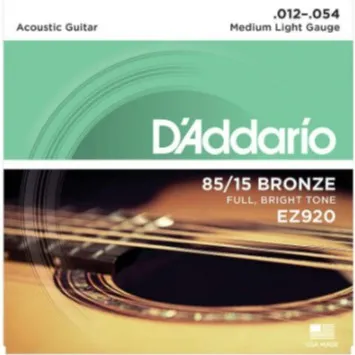
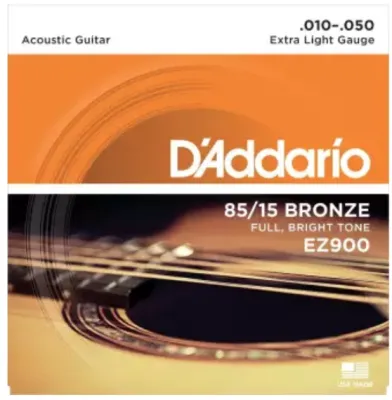
Prices are valid at publication and may change. Please refer to the product page for the latest price.
The traditional uncoated series, most notably represented by the classic EJ line, is the historical standard for many acoustic guitarists. These strings feature a high-carbon steel core wrapped with high-quality wire, offering an organic, direct feel and a highly responsive acoustic tone. Because there is no physical barrier between your fingers and the metal, uncoated strings deliver a raw, immediate tactile response and maximum initial brightness. However, they are fully exposed to environmental elements, meaning they are more susceptible to dirt, sweat, and humidity over time.
In contrast, treated and coated series like the XT and XS lines are engineered to resist environmental wear and extend the active life of the strings. The XT series features a thin, microscopic treatment on the wrap wire that preserves the natural feel of an uncoated string while offering enhanced protection against corrosion. The XS series takes protection a step further by utilizing an ultra-thin film coating that completely covers the wound strings, along with a unique polymer treatment on the plain steel strings. This creates a smooth, slick feel under the fingers and provides defense against moisture and oils, which is particularly beneficial in warm, humid climates.
Beyond the presence of coatings, the choice of wrap wire material plays a fundamental role in defining the overall tonal profile of the strings. The two most common materials are Phosphor Bronze and 80/20 Bronze. Phosphor Bronze strings, consisting of approximately 92% copper and 8% tin with a small amount of phosphorus, are widely celebrated for their warm, rich, and well-balanced tone, featuring dark undertones and smooth highs. On the other hand, 80/20 Bronze strings, made of 80% copper and 20% zinc, deliver a much brighter, crisper, and more projecting sound that can help brighten up a naturally dark-sounding guitar.
When shopping for D’Addario strings, it is highly recommended to check the manufacturer’s official website or current product packaging to verify the latest specifications. Product lines, naming conventions, and packaging designs can update over time, and verifying the exact series details ensures you receive the precise technology and material combination you expect.
Matching String Series to Your Playing Style
Your playing style is the most influential factor in determining which D’Addario string series will feel and sound best on your acoustic guitar. Different playing techniques require specific physical characteristics from a string set, such as tension balance, flexibility, and acoustic projection. By analyzing how you interact with your instrument, you can narrow down the options to the series that complements your musical expression.

For fingerstyle players and those who focus on nuanced, intricate arrangements, clarity and articulate note separation are paramount. Fingerstyle techniques often rely on light touches and complex chord voicings where every individual note must be clearly defined. Uncoated Phosphor Bronze strings (such as the EJ16 set) or treated XT Phosphor Bronze strings are excellent candidates for this style. They provide a warm, balanced response with excellent dynamic sensitivity, allowing subtle fingerboard nuances and delicate vibratos to shine through without being masked by excessive brightness or muddy overtones.
If your style leans toward heavy strumming, flatpicking, or aggressive rhythm playing, you will want to look for strings that offer robust volume, strong projection, and high physical durability. Strummers and flatpickers require strings that can withstand a heavy pick attack without losing tuning stability or breaking prematurely. The high-carbon steel core used across D’Addario’s modern lines, including the XT and XS series, provides excellent break resistance and pitch stability under heavy tension. For maximum acoustic volume and a crisp, cutting midrange that can slice through an ensemble, 80/20 Bronze strings in a medium or light-medium gauge are often preferred by flatpickers.
The choice of string series also varies significantly depending on whether your primary focus is studio recording or live performance. In a controlled studio environment, capturing the purest, most detailed acoustic tone is usually the main goal. Many recording engineers and session players prefer uncoated strings because they deliver a highly complex overtone profile and a completely natural acoustic resonance. However, uncoated strings can produce more noticeable finger squeak as your hands move across the fretboard, which requires careful mic placement and precise playing technique to manage.
For live performances, especially in humid outdoor venues or under hot stage lights, treated or coated strings like the XS series offer distinct advantages. The smooth coating on XS strings significantly reduces finger squeak, allowing for quieter transitions during live amplification. Furthermore, the protective barrier prevents sweat and humidity from deadening the strings mid-set, ensuring that your guitar maintains its brightness, tuning stability, and projection throughout the entire performance. This reliability makes coated strings a favorite among touring musicians who need consistent performance night after night.
Key Specifications to Check Before Buying
Before purchasing a new set of D’Addario acoustic strings from an online marketplace or a local music store, it is essential to verify several key specifications to ensure compatibility with your guitar and your physical playing preferences. Choosing the wrong specifications can lead to playability issues, finger fatigue, or even structural damage to your instrument.
The first and most critical specification to consider is the string gauge, which refers to the physical thickness of the strings measured in thousandths of an inch. Common gauge designations include extra light (typically .010 to .047), custom light (.011 to .052), light (.012 to .053), and medium (.013 to .056). Lighter gauges require less tension to tune to pitch, making them easier to press down, which reduces finger fatigue for beginners or players who perform frequent string bends. However, lighter strings produce less volume and may cause fret buzz if your guitar’s neck relief is not adjusted properly. Heavier gauges offer a fuller, louder sound and greater dynamic range, but they require significantly more finger strength and exert higher tension on the guitar’s neck and bridge.
This leads directly to the importance of checking your guitar’s body size and the manufacturer’s structural recommendations. Smaller-bodied guitars, such as parlor, concert, or travel-sized instruments, are often built with lighter bracing and are designed specifically for light or extra-light strings. Installing medium or heavy strings on these delicate instruments can exert excessive bridge tension, potentially warping the soundboard, lifting the bridge, or bowing the neck. Conversely, larger guitars like dreadnoughts or jumbo models are braced to handle the higher tension of medium strings, which are often necessary to fully drive the larger top wood and produce the intended bass response. Always consult your guitar manufacturer’s manual or official specifications to verify the maximum safe string tension for your specific model.
Additionally, you must verify the core material and wrap wire type of the specific set you are purchasing. D’Addario utilizes high-carbon steel cores (often marketed as NY Steel) in many of their premium lines to improve break strength and tuning stability. Ensure that the packaging explicitly states the wrap wire material—whether it is Phosphor Bronze, 80/20 Bronze, or Nickel Bronze—so that the physical set matches your desired tonal profile. Taking a few moments to double-check these details on the product label before completing your purchase will save you from the inconvenience of installing an incompatible set.
Maintenance and Longevity Considerations
Maintaining your acoustic guitar strings is essential for preserving their tone, playability, and overall value. The lifespan of any string set is highly dependent on how frequently you play, your physical body chemistry, and the environmental conditions in which the guitar is stored. Understanding these factors will help you establish a realistic maintenance routine and recognize when it is time for a fresh set.
In tropical regions characterized by high humidity and warm temperatures, uncoated strings can begin to oxidize and lose their bright, lively tone within a few weeks of regular play. The moisture in the air, combined with the natural oils and sweat from your fingertips, accelerates the buildup of grime and corrosion in the microscopic gaps of the wrap wire. Treated and coated strings, such as the XT and XS series, are specifically engineered to combat these harsh environmental factors. While they carry a higher initial investment, their ability to resist corrosion can make them a highly cost-effective choice in the long run, often lasting several times longer than standard uncoated sets.
To maximize the lifespan of any D’Addario string series, implementing a simple post-play maintenance routine is highly recommended. After every playing session, take a clean, dry microfiber cloth and thoroughly wipe down each string, sliding the cloth underneath the strings to remove sweat, skin oils, and dust from the underside of the wire. For deeper cleaning, you can use manufacturer-approved string cleaners or conditioners, applying them according to the product instructions. Avoid using household chemical cleaners, solvents, or abrasive materials, as these can damage the string coatings, strip away protective treatments, or harm your guitar’s fretboard wood.
Even with meticulous care, all acoustic strings eventually reach the end of their usable life. Recognizing the clear signs of worn-out strings is crucial for maintaining your instrument’s performance. The most obvious indicator is a noticeably dull, flat, or “dead” tone that lacks sustain and high-end clarity. You may also notice physical signs of wear, such as dark spots of visible corrosion, rust, or a rough, gritty texture along the length of the strings. Furthermore, as strings age and stretch unevenly, they lose their ability to hold proper intonation, causing the guitar to sound out of tune with itself even after careful tuning. When these signs appear, installing a fresh set of strings will instantly restore your guitar’s natural resonance and playability.
Frequently Asked Questions (FAQ)
Do treated strings feel different from standard uncoated strings?
Yes, treated and coated strings generally exhibit a different tactile feel compared to traditional uncoated strings, though the exact sensation depends on the specific technology used. Coated strings, such as the XS series, feature an ultra-thin protective film that creates a very smooth, slick, and polished surface under your fingers. This smooth texture can reduce finger squeak and make sliding up and down the fretboard feel faster and more effortless. Treated strings, like the XT series, apply a microscopic treatment directly to the wrap wire rather than a full film coating, which is designed to preserve the natural, textured grip of an uncoated string while still offering enhanced corrosion resistance. Because tactile preference is highly subjective, some players love the smooth, fast feel of coated strings, while others prefer the traditional, organic grip of uncoated wires. Personal testing is the best way to determine which texture feels most comfortable to your hands.
Can I mix different D'Addario series on the same guitar?
While it is physically possible to mix different D’Addario series or gauges on a single guitar, it is generally not recommended for optimal performance. Mixing different wrap materials, such as combining Phosphor Bronze and 80/20 Bronze strings, or mixing coated and uncoated series, can lead to an uneven tonal balance and inconsistent volume across the fretboard. For example, a coated string will have a slightly different acoustic resonance and decay compared to an uncoated string, which can make your chord transitions sound disjointed. Additionally, mixing random gauges from different sets can create uneven tension across the guitar neck, potentially affecting the instrument’s intonation and playability. To ensure consistent tension, uniform tone, and reliable intonation, it is best to stick to a single, complete factory-matched series and gauge set.

Community discussion
Share your experience or ask a question. Comments are reviewed before publication.