
Deciding which version of the Cortis album to add to your collection depends on your budget, your aesthetic preferences, and your specific collecting goals. With physical music releases evolving into highly curated art pieces, fans are no longer just buying a disc; they are investing in conceptual photobooks, exclusive merchandise, and highly sought-after randomized collectibles. Navigating these options requires a clear understanding of what each package contains so you can make an informed purchase.
Whether you are a casual listener who wants a beautiful item for your shelf or a dedicated collector aiming to complete a full set of photocard inserts, comparing the physical formats is the best way to maximize your budget. By evaluating the differences in packaging, visual themes, and exclusive inclusions, you can easily identify which version aligns with your personal collecting style.
Identifying the Cortis Album Formats and Concepts
Physical music releases generally fall into distinct categories, each designed to appeal to different types of collectors. Standard photobook editions are the flagship releases of any album cycle. These versions feature large-format packaging, thick, high-quality photobooks, and the complete physical CD. They are designed to make a statement on a display shelf, offering the most comprehensive visual experience of the album’s concept.
Products mentioned in this guide
![CORTIS - [ COLOR OUTSIDE THE LINES ] Weverse Albums ver](https://img.lazcdn.com/g/ff/kf/S84a15d0ab7eb463ebb762d4e3ba29211Y.jpg_400x400q80.jpg_.webp)
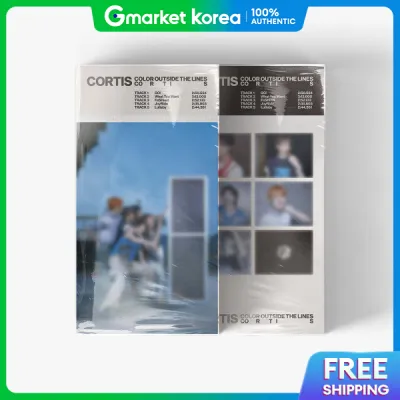
Prices are valid at publication and may change. Please refer to the product page for the latest price.
In contrast, compact or jewel case versions offer a more minimalist and budget-friendly alternative. These editions are smaller, lighter, and typically feature simplified packaging with a smaller booklet. They are ideal for collectors who want to own the physical disc and basic inclusions without dedicating a large amount of shelf space to their collection.
Platform or digital editions represent a modern, tech-forward shift in physical music collecting. Instead of a physical CD, these versions contain a digital link, QR code, or NFC card that grants access to the music via a dedicated mobile application. These editions are highly popular among photocard collectors because they are affordable, easy to store, and often come with exclusive physical cards designed specifically for the digital release.
Each version of the album is built around a distinct visual concept that dictates the entire design aesthetic. One version might showcase a vibrant, sun-drenched outdoor theme that fits perfectly with tropical aesthetics, while another might opt for a sleek, minimalist studio concept with dramatic lighting and high-fashion styling. This concept influences everything from the cover art and photobook layouts to the outfits worn by the members in their photocard shoots.
Before making a purchase, it is essential to verify the core media format included in each edition. While standard and compact versions include a physical CD, platform versions rely entirely on digital access codes. If you still use a physical CD player or collect physical discs for sentimental value, double-checking these specifications will prevent any disappointment when your package arrives.
Evaluating Inclusions: Photocards, Posters, and Collectibles
Photocards are the primary driver of physical album collecting, often holding more value to fans than the music media itself. Most album versions include at least one or two randomized photocards selected from a larger pool of solo, unit, or group shots. Understanding the size of this pool is crucial; if there are dozens of possible cards, completing a full set of your favorite member will require a strategic approach to trading or purchasing.

Beyond photocards, physical albums frequently include larger paper goods such as folded or rolled posters, mini-books, and lyric sheets. The paper quality of these items can vary significantly, ranging from thick, textured matte paper to glossy, lightweight sheets. In warm, humid climates like the Philippines, glossy paper is particularly susceptible to moisture damage and sticking, making proper handling and immediate storage essential.
Version-exclusive inserts are another key factor to consider when comparing editions. Many releases include unique items such as sticker sheets, ID cards, postcards, or bookmarks that are themed to match the specific concept of that version. These exclusive items are highly collectible and often drive the secondary market value of the album, as collectors look to buy individual pieces to complete their sets.
When evaluating the overall value of a version’s inclusions, consider how much of the content is guaranteed versus how much is randomized. Some deluxe editions may offer a higher number of guaranteed items, while standard versions rely heavily on the thrill of the random pull. Balancing this ratio helps you determine which version offers the most satisfaction for your investment.
Choosing the Right Version Based on Your Collecting Goals
Aligning your purchase with your specific collecting goals is the best way to ensure you are satisfied with your decision. If your primary goal is to support the artists on music charts, buying multiple copies of the more affordable platform or compact versions is a highly cost-effective strategy. These versions contribute to sales charts while keeping your overall spending manageable.
If you are an aesthetic collector who loves displaying physical media, investing in the standard photobook versions will give you the most visual satisfaction. These larger editions look beautiful on display shelves and offer a more immersive tactile experience when flipping through the high-quality photography. The thick spines and detailed cover art make them standout pieces in any room.
For collectors living in the Philippines, budgeting for physical albums requires factoring in import costs and local retail markups. Standard photobook versions typically retail between ₱900 and ₱1,500 at local specialty shops, while compact and platform versions are more budget-friendly, usually priced between ₱500 and ₱800. Comparing these prices against the number of exclusive items included in each version will help you calculate the cost-to-inclusion ratio.
Deciding whether to invest in a single deluxe version or multiple standard versions depends on your tolerance for randomization. A single deluxe version may offer a more premium presentation and a larger number of guaranteed items, making it a safe and satisfying purchase. On the other hand, buying multiple standard versions increases your chances of pulling different randomized photocards, which is ideal if you enjoy the excitement of unboxing and trading.
Pre-Purchase Verification and Ordering Checklist
To ensure you receive an authentic, complete product, always cross-reference the official catalog number, barcode, and version name with the listing on your chosen online marketplace or specialty store. Authorized retailers will clearly display these details, allowing you to verify that you are ordering the exact version you want rather than a random or incorrect edition.
First-press benefits and pre-order exclusives are highly limited items that are only included in the very first production run of the album. These benefits often include rare photocards, special posters, or store-specific gifts that are not available in later pressings. If these exclusive items are important to your collection, placing your order during the official pre-order window is essential to secure them.
Reviewing the seller’s return and exchange policies is a crucial step before finalizing your order. It is standard practice in the local collecting community to record a continuous, unedited unboxing video from the moment you begin opening the courier package. This video serves as your only valid proof if the album arrives damaged, sealed but missing inclusions, or with factory defects, allowing you to secure a replacement or refund from the seller.
Frequently Asked Questions (FAQ)
Will buying one version guarantee a complete set of member photocards?
No, physical albums almost always feature randomized photocard inserts, meaning a single album will only contain a small selection of the total available cards. To complete a full set of your favorite member or the entire group, you will likely need to trade duplicate cards with other collectors in local social media groups or purchase individual cards from verified sellers on online marketplaces.
How do official store exclusives differ from general retail versions?
Official store exclusives are versions distributed by specific retail partners, such as major entertainment platforms or official fan clubs. These versions often feature unique pre-order benefits, exclusive photocard designs, or alternative packaging that is not available through general retail channels. Keep in mind that ordering these exclusives directly often involves higher international shipping fees and potential customs processing times.
What is the best way to ship and store large K-Pop posters?
To prevent permanent creases and fold lines, always request that your posters be shipped rolled in a sturdy cardboard tube rather than folded inside the album package. For long-term storage in tropical climates, keep your posters in acid-free plastic sleeves or flat archival boxes. Adding silica gel packs to your storage containers will help absorb excess moisture and protect the paper from humidity-induced warping or mold.
Community discussion
Share your experience or ask a question. Comments are reviewed before publication.