
To select the best Chinkee Tan book to start your personal development journey, you must first identify your most urgent growth area. If you are struggling with uncontrollable spending, high debt, or a lack of savings, starting with his practical, action-oriented financial workbooks is your ideal entry point. If you want to transition from an employee mindset to running a small enterprise, a business-focused guide is better. Chinkee Tan’s extensive catalog is designed not as a single continuous narrative, but as a modular toolkit where each book addresses a specific, localized financial or mental bottleneck.
Choosing the right book first ensures that you do not get overwhelmed by theories that do not apply to your current situation. Instead of reading chronologically, you should select a title that directly matches your current pain points, whether that is learning how to budget, managing family financial expectations, or finding the motivation to bounce back from a business failure.
Is Chinkee Tan's Teaching Style Right for You?
Before purchasing your first book, it is helpful to understand the author’s background and core philosophy to see if his teaching style aligns with your learning preferences. Chinkee Tan is a prominent Filipino wealth coach, entrepreneur, and motivational speaker who has spent decades analyzing the financial habits of Filipinos. His career spans direct sales, corporate training, and media broadcasting, which heavily influences his direct, conversational, and highly engaging writing style.
Products mentioned in this guide



Prices are valid at publication and may change. Please refer to the product page for the latest price.
Unlike traditional financial authors who rely on dense academic jargon or complex economic theories, Tan writes primarily in “Taglish”—a natural blend of Tagalog and English. This linguistic choice makes his books highly accessible to readers of all educational backgrounds, from students and micro-entrepreneurs to corporate professionals. His tone is often described as a mix of a supportive older brother (kuya) and a firm mentor, delivering hard financial truths with humor and empathy.
His core philosophy centers on the idea that financial problems are rarely just about a lack of money; instead, they are usually symptoms of poor money mindsets and habits. His teachings are deeply localized, directly addressing cultural realities in the Philippines such as the pressure of being the family breadwinner, the temptation of sale events, the habit of lifestyle inflation, and the challenges of managing utang (debt). If you prefer highly structured, academic textbooks with complex mathematical models, his simplified, direct-to-the-point approach might feel too basic. However, if you value immediate, actionable steps and culturally relevant advice that you can apply to your daily life the very same day, his books are highly suitable.
Matching Chinkee Tan Books to Your Personal Development Goals
Because Chinkee Tan has written dozens of books, finding the right starting point requires mapping his verified titles to your specific self-improvement needs. His publications generally fall into three distinct categories: financial literacy, business strategy, and motivational mindset. Aligning your current personal development goals with the correct category will save you time and prevent information overload.

For Wealth Building and Financial Literacy
If your primary goal is to gain control over your personal finances, eliminate debt, and build a sustainable savings habit, you should start with Tan’s core financial literacy books. These titles are designed for beginners who need immediate, practical systems to manage their daily cash flow.
- Diary of a Pulubi: This is one of his most popular introductory books. It is structured around 22 common money habits that keep people poor, such as emotional spending, keeping up with social media trends, and borrowing money for non-essential purchases. It is ideal for readers who need a wake-up call regarding their spending habits.
- My Badyet Diary: This is a practical, interactive workbook rather than a traditional narrative book. It provides physical templates, tracking sheets, and step-by-step instructions to help you log your income, categorize your expenses, and stick to a realistic monthly budget. It is best suited for individuals who know they need to budget but struggle with the actual execution.
- Till Debt Do Us Part: This book focuses specifically on debt management and elimination. It outlines practical strategies for negotiating with creditors, prioritizing which debts to pay off first, and changing the behavioral patterns that lead to chronic borrowing. It is highly recommended for anyone feeling overwhelmed by financial obligations.
- My Utang Diary: A companion workbook to Till Debt Do Us Part, this tool allows you to physically track what you owe, map out payment schedules, and monitor your progress toward becoming debt-free.
These books provide excellent educational frameworks and behavioral guidelines for managing personal wealth. However, readers should remember that they offer general financial education rather than licensed investment advice or guaranteed financial returns. Before making major investment decisions, it is always wise to consult with a registered financial planner.
For Leadership and Business Strategy
For aspiring entrepreneurs, side-hustlers, and small business owners looking to scale their operations or improve their leadership skills, Tan offers titles focused on business fundamentals and professional growth.
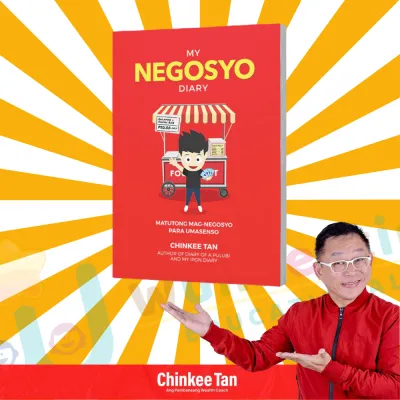
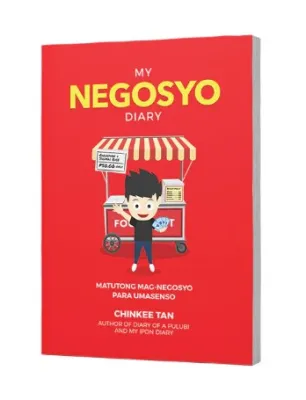
- Business Diary: This book is designed as a starter guide for those who want to transition from being an employee to running their own business. It covers the basics of identifying market opportunities, managing initial capital, handling cash flow, and understanding basic customer service.
- Always Chink Positive: While largely motivational, this book contains valuable sections on leadership mindset, overcoming professional rejection, and managing team dynamics. It helps leaders maintain a resilient attitude when dealing with business setbacks or team conflicts.
These business-focused books are primarily tailored to micro-businesses, freelancers, and small-to-medium enterprises (SMEs) operating in the local market. The operational checklists and marketing strategies are highly practical for retail, food services, online selling, and local service businesses. If you are looking for advanced corporate management strategies, merger and acquisition frameworks, or complex multinational corporate structures, these titles may be too elementary. They are best used as foundational guides to establish healthy business habits and a strong entrepreneurial mindset.
For Resilience and Overcoming Adversity
If you are currently facing personal setbacks, career stagnation, or a general lack of motivation, your goals are best served by Tan’s mindset-focused books. These titles emphasize mental resilience, positive thinking, and overcoming the fear of failure.
- Always Chink Positive: This book serves as a comprehensive guide to developing a resilient attitude. Tan uses personal anecdotes from his own life—including his early struggles as a salesman—to demonstrate how a positive mindset can transform obstacles into opportunities. It focuses on breaking free from a victim mentality and taking proactive control of your life.
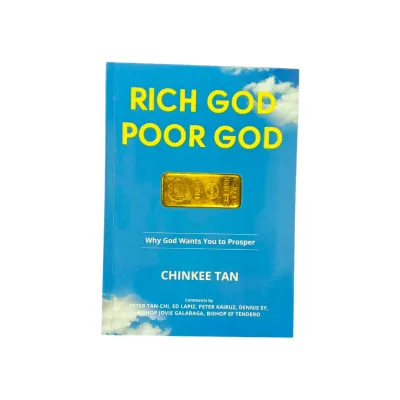
- Rich God Poor God: This book explores the intersection of faith, mindset, and wealth. It addresses common cultural misconceptions about money, such as the idea that wealth is inherently evil or that poverty is a sign of humility. It encourages readers to align their financial goals with their personal values and spiritual beliefs, fostering a mindset of abundance rather than scarcity.
These motivational books offer encouraging frameworks and personal anecdotes to help you build mental toughness. They are highly effective for resetting your perspective during difficult times. However, it is important to note that these books are motivational resources and do not replace clinical psychological advice or professional counseling for severe mental health struggles.
What to Verify Before Buying: Editions, Formats, and Authenticity
Once you have identified the book that matches your goals, you must verify several factors before completing your purchase to ensure you receive a legitimate, high-quality product.
Verify the Source and Authenticity Due to the popularity of Chinkee Tan’s books, counterfeit and pirated copies are common on various online marketplaces and informal street stalls. These unauthorized copies are often poorly printed, featuring blurry text, missing pages, or low-quality paper that tears easily. To ensure you are supporting the author and receiving a complete, high-quality book, always purchase from authorized physical bookstores, official online flagship stores, or the author’s official website. Legitimate copies typically feature crisp printing, high-quality paper, and proper binding.
Check the Edition and Publication Date While core personal finance principles remain stable, specific market conditions, tax laws, and digital tools change over time. If you are buying books that mention specific business strategies or digital tools, check the publication date or edition notes. Opt for the most recent edition to ensure the examples and suggestions remain relevant to the current economic landscape.
Choose the Right Format for Your Reading Habits Tan’s books are available in various formats, and your choice should depend on how you plan to use them:
- Physical Paperbacks: This is the highly recommended format for his "Diary" series (such as My Badyet Diary or My Utang Diary). These books are designed as interactive workbooks with fill-in-the-blank sections, budgeting tables, and calendar trackers. A physical copy allows you to write directly on the pages, which enhances retention and accountability.
- E-books: If you prefer reading on a digital device or have limited physical storage space, authorized e-book editions are highly convenient. They are excellent for narrative-heavy titles like Always Chink Positive. However, they are less practical for the interactive diary workbooks unless you plan to replicate the templates in a separate physical notebook.
- Audiobooks: For busy professionals, students, or those who commute regularly, audiobooks offer a hands-free way to absorb the material. Ensure your playback device is compatible with the hosting platform before purchasing.
How to Apply the Lessons to Your Daily Life and Business
Reading a personal development book is only the first step; the real value comes from active application. To get the most out of your chosen Chinkee Tan book, you must move beyond passive reading and integrate his frameworks into your daily routine.
Engage in Active Reading Do not read these books like a novel. Keep a pen, highlighter, or notebook nearby. If you are using one of his diary workbooks, make a commitment to fill out the tracking sheets honestly and daily. If you are reading a narrative book, write down key quotes, summarize the main points of each chapter in your own words, and list at least one immediate action step you can take based on what you just read.
Set Measurable 30-Day Goals Translate the book’s principles into concrete, time-bound objectives. For example, if you finish Diary of a Pulubi, you might set a goal to track every single peso you spend for the next 30 days without exception. If you read Till Debt Do Us Part, your 30-day goal could be to list all your outstanding debts, calculate the interest rates, and contact one creditor to negotiate a payment plan. Small, consistent actions build the momentum needed for long-term behavioral change.
Create an Accountability System In the Philippine context, financial habits are deeply intertwined with family and social circles. Share your goals with a trusted friend, family member, or mentor who can keep you accountable. If you are trying to budget, discuss your plans with your household so everyone understands the new financial boundaries. You can also join local personal finance reading groups or online communities dedicated to wealth building to share experiences, ask questions, and stay motivated.
Frequently Asked Questions (FAQ)
Are Chinkee Tan's books available in Tagalog or other local languages?
Chinkee Tan’s books are primarily written in Taglish, which is a conversational blend of Tagalog and English. This is the standard format for almost all of his publications, as it reflects how most Filipinos naturally communicate in daily life. This language choice ensures that the financial and motivational concepts are highly accessible and easy to understand. Currently, there are no separate, formal translations of his books into pure Tagalog or other regional Philippine languages like Cebuano or Ilocano. To ensure you are getting an authorized version, always check the official publisher listings on the author’s official channels.
Should I read his books in a specific chronological order?
No, there is no required chronological order to read his books. Each publication is designed as a standalone guide addressing a specific financial, business, or mindset challenge. You should prioritize the books based on your most urgent personal development or financial goals. For example, if you are currently struggling with debt, you should start immediately with Till Debt Do Us Part and My Utang Diary. Once you have stabilized your debt situation, you can transition to My Badyet Diary to build a savings habit, and eventually move on to Business Diary if you decide to start a small business. Always let your immediate practical needs dictate your reading sequence.
Community discussion
Share your experience or ask a question. Comments are reviewed before publication.