
Choosing the right translation of Miyamoto Musashi’s classic text depends entirely on what you hope to gain from his teachings. If you are looking for a deeply philosophical and spiritual exploration of strategy, Thomas Cleary’s translation offers an insightful perspective rooted in Zen Buddhism. For those who prefer a direct, practical strategy manual focused on action, Victor Harris’s edition provides a straightforward approach. Meanwhile, readers seeking academic rigor, precise historical context, and literary polish will find William Scott Wilson’s version to be the most rewarding. Your ideal choice hinges on how you want to balance readability, historical accuracy, and interpretive depth.
To make an informed purchase, it helps to understand how each translator’s background shapes their rendering of Musashi’s words. Because the original 17th-century Japanese text is highly concise and filled with archaic martial arts terminology, every translator must make choices about how to interpret these concepts for a modern audience. By comparing their backgrounds, writing styles, and target audiences, you can select the edition that best aligns with your personal reading goals.
The Translators Behind the Editions
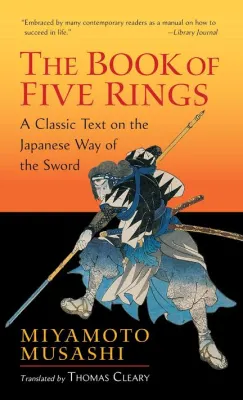
Thomas Cleary was a highly respected translator of Eastern philosophical texts, holding a PhD in East Asian Languages and Civilizations from Harvard University. His extensive work translating Buddhist, Taoist, and Confucian classics heavily influences his approach to Musashi’s writing. Cleary views the text through the lens of Zen Buddhism and spiritual mindfulness, framing the “Way of the Warrior” as a path toward mental clarity and self-mastery. His translation emphasizes the psychological state of the warrior, making it highly appealing to readers interested in mindfulness and personal development.
Products mentioned in this guide
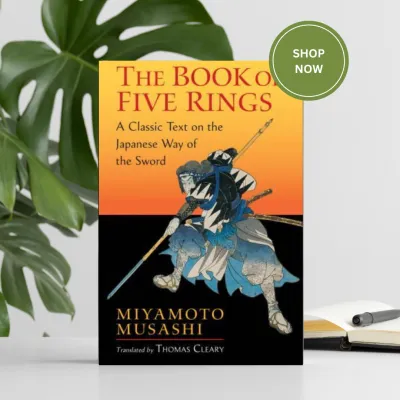
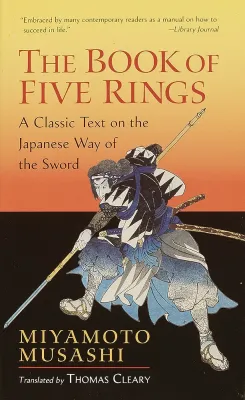
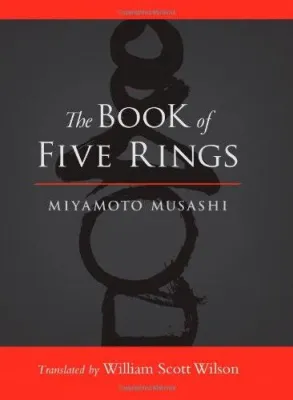
Prices are valid at publication and may change. Please refer to the product page for the latest price.
Victor Harris brings a completely different perspective to the text, shaped by his background as a dedicated martial artist and practitioner of Kendo. As the former Keeper of Japanese Antiquities at the British Museum, Harris possessed a deep physical and historical understanding of Japanese weaponry and combat techniques. His translation focuses on the practical, physical reality of swordsmanship. Harris treats Musashi’s writings as a hands-on manual for combat, emphasizing direct action, physical positioning, and tactical execution over abstract spiritual concepts.
William Scott Wilson is an acclaimed scholar of Japanese literature who has translated numerous classic samurai texts, including the Hagakure and the biography of Musashi. Wilson’s academic approach combines rigorous historical research with a highly refined literary style. He seeks to preserve the original tone and cultural context of feudal Japan, presenting Musashi’s work as both a historical document and a piece of classical literature. Wilson’s translation is designed for readers who want to understand the precise cultural and historical environment in which Musashi lived and fought.
Readability, Tone, and Interpretation
The reading experience varies significantly across these three editions, particularly in terms of sentence structure and vocabulary. Cleary uses modern, accessible English that flows smoothly, making it easy for contemporary readers to grasp the broader philosophical concepts without getting bogged down in archaic phrasing. However, this accessibility sometimes comes at the cost of technical precision, as complex martial arts terms are often translated into generalized psychological concepts.

In contrast, Harris employs a direct, blunt, and highly functional prose style that mirrors the tone of a military field manual. His sentences are short and action-oriented, which makes the physical instructions easy to visualize. While this style is highly effective for understanding the mechanics of combat, it can occasionally feel dry or repetitive to readers who are looking for a more engaging literary experience.
Wilson strikes a balance between these two approaches, offering a formal, literary translation that retains the elegant dignity of the original classical Japanese. His prose is highly readable yet possesses an archaic quality that transports the reader back to the Edo period. Wilson is particularly careful with his vocabulary, choosing English words that capture the dual physical and philosophical meanings of Musashi’s original terminology.
These differences are most apparent in how each translator handles specific Japanese martial arts terms. For example, the term hyoho (often translated as “strategy” or “martial arts”) is interpreted by Cleary as a broad concept of life strategy and mental discipline. Harris translates it more literally as the science of martial arts, focusing on physical combat. Wilson retains the original term or provides a nuanced translation, using extensive footnotes to explain how the word carries both practical and spiritual weight.
Supplementary materials also play a crucial role in the overall value of each edition. Harris’s translation is famous for its lengthy, highly detailed introduction that provides a comprehensive history of the samurai class and a detailed biography of Musashi, often accompanied by historical illustrations. Wilson’s edition features rich annotations, detailed footnotes, and a thorough introduction that helps readers navigate the complex historical landscape. Cleary’s edition typically includes a shorter, more focused introduction that explores the connection between Zen philosophy and martial arts, with fewer technical footnotes.
Choosing the Right Edition for Your Goals
If your primary goal is personal development, mindfulness, and philosophical reflection, Thomas Cleary’s translation is the most suitable choice. His focus on Zen Buddhism and mental discipline makes the text highly applicable to modern daily life, leadership, and personal growth. This edition is ideal for readers who want to understand the psychological aspects of strategy and how to maintain composure under pressure.
If you are looking for a straightforward, no-nonsense guide to competitive tactics or business strategy, Victor Harris’s edition is highly recommended. The direct, action-oriented tone translates well to competitive environments where quick decision-making and practical execution are paramount. Martial artists will also appreciate the clear focus on physical movement and combat mechanics.
For those who prefer a comprehensive, historically grounded study with rich annotations and literary polish, William Scott Wilson’s version is the outstanding choice. This edition is perfect for history enthusiasts, students of Japanese culture, and readers who appreciate a meticulous translation that respects the original text’s historical context. The detailed footnotes and scholarly introduction provide a deeper level of understanding that is missing from more simplified versions.
It is worth noting that none of these translations may fit your needs if you are looking for a heavily modernized, simplified summary. These three editions are faithful translations of a 17th-century text, meaning they require active engagement and reflection. If you prefer quick, bulleted business takeaways or a highly simplified overview, you may want to look for modern adaptation guides rather than a direct translation of Musashi’s original work.
What to Verify Before You Buy
Before finalizing your purchase on any online marketplace or ecommerce platform, it is essential to verify the publisher and publication year. Because the Book of Five Rings is a historical text, there are numerous low-quality, public domain reprints available that may lack proper formatting, introductions, or translator attributions. Checking the publisher ensures you are purchasing an authorized, high-quality edition from reputable houses such as Shambhala Publications (for Cleary) or Kodansha (for Wilson).
Always check the table of contents and product description to confirm which supplementary materials are included. Some digital editions or budget paperbacks strip out the translator’s introduction, footnotes, and historical essays to save space. These materials are crucial for understanding the context of Musashi’s teachings, so ensuring they are present in your chosen edition adds significant value to your purchase.
Finally, consider the physical format and digital compatibility of the book. In the tropical climate of the Philippines, high humidity can quickly damage poorly bound paperbacks, causing pages to warp or yellow. If you prefer physical books, investing in a high-quality paperback or a durable hardcover is a practical choice for long-term preservation. If you prefer reading digitally, verify that the e-book formatting is compatible with your specific e-reader or reading app, particularly regarding how footnotes are displayed and navigated.
Frequently Asked Questions (FAQ)
Is the Book of Five Rings still relevant for modern readers?
Yes, the core themes of adaptability, preparation, and strategic thinking remain highly relevant today. While Musashi wrote his manual for swordsmen in 17th-century Japan, his advice on maintaining mental balance, understanding your opponent, and mastering your craft can be applied to various modern contexts, including business, sports, and personal challenges. You should evaluate the text’s relevance based on your own professional or personal goals rather than relying on generic praise.
Do I need to read other martial arts texts to understand this book?
No, the Book of Five Rings is designed to be read as a standalone manual. Musashi wrote it as a direct summary of his own school of strategy, and it does not require prior knowledge of other historical martial arts treatises. However, some publishers bundle this text with other classic works, such as the Hagakure or Sun Tzu’s The Art of War. Be sure to check the product description carefully so you know exactly what is included in the edition you are buying.
Community discussion
Share your experience or ask a question. Comments are reviewed before publication.