
Starting over is a profound human experience, but finding the right guide to navigate this change requires a deliberate approach. The market is saturated with motivational literature, meaning that selecting a random begin again book based on its cover or a trending social media post rarely delivers the targeted guidance you need. To make a meaningful transition, you must align the book’s core psychological framework with the specific nature of your life shift—whether you are navigating a career pivot, healing from a personal loss, or relocating to a new environment.
Identifying Your Core Life Transition
A successful reset begins with self-diagnosis. Starting over is not a single, uniform experience; its emotional and practical demands vary deeply based on what triggered the change. If you do not pinpoint your exact emotional baseline, you risk buying a book that addresses the wrong problem, leaving you feeling more frustrated than before.
Consider whether your transition is a voluntary choice or an involuntary shock. A voluntary pivot, such as resigning from a stable corporate role to pursue creative freelance work, is driven by aspiration but often accompanied by imposter syndrome and financial anxiety. Conversely, an involuntary shock—such as an unexpected retrenchment or a sudden relationship breakdown—brings intense grief, rejection, and a destabilizing loss of identity.
Products mentioned in this guide



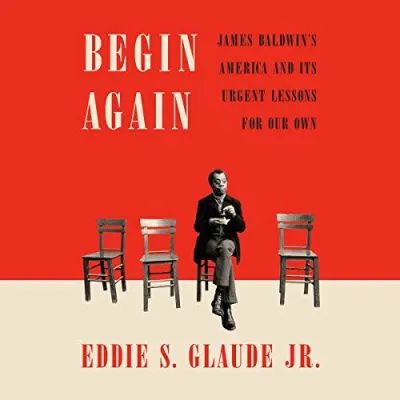
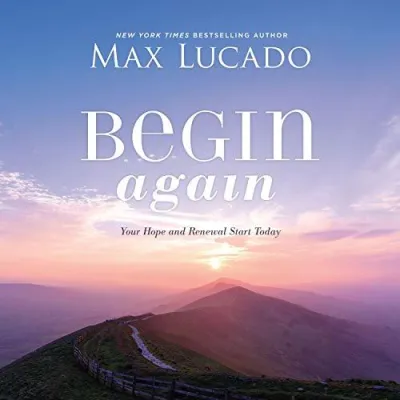
Prices are valid at publication and may change. Please refer to the product page for the latest price.
Identifying your primary emotional pain point allows you to filter out generic, surface-level motivation. If your core struggle is financial anxiety, a book focused purely on emotional healing will not provide the practical budgeting and risk-management frameworks you need. Conversely, if you are grieving a lost partnership, a productivity-focused guide will ignore the essential emotional processing required to rebuild your self-worth.
Matching a Begin Again Book to Your Specific Situation
Navigating Career Pivots and Professional Burnout
When professional exhaustion or a shifting economy forces you to reconsider your career path, look for books that focus on systematic skills auditing and purpose discovery. Many generic career guides lean heavily on hustle culture narratives that advocate for relentless work, which can worsen burnout. Instead, prioritize literature that teaches you how to evaluate your transferable skills and manage the psychological friction of changing industries.

Seek authors who hold verifiable backgrounds in organizational psychology, career coaching, or behavioral economics. Their frameworks are built on structural research rather than individual, non-replicable success stories. These authors understand how workplace dynamics affect mental health and can guide you through the process of redefining your professional identity.
Look for actionable, practical methodologies such as design thinking applied to life planning. In the context of the Philippine job market, where transitioning between sectors like the BPO industry, corporate roles, or freelance work requires high adaptability, having a structured roadmap is invaluable. The right book should help you map out realistic, low-risk experiments to test your new career path before making a complete leap.
Healing from Relationship Endings and Emotional Loss
Recovering from a broken relationship or the loss of a loved one requires a book grounded in established clinical frameworks. Avoid purely anecdotal memoirs that promise rapid recovery or rely on superficial advice like “just stay positive.” True emotional recovery involves confronting complex feelings of rejection, anger, and grief.
Prioritize authors who are licensed marriage and family therapists, clinical psychologists, or recognized experts in trauma and attachment theory. Books written by these professionals often incorporate cognitive behavioral techniques (CBT) or acceptance and commitment therapy (ACT) principles. These methodologies provide structured exercises to help you identify negative thought patterns and rebuild your self-esteem.
The content should emphasize self-compassion, emotional regulation, and healthy boundary setting. Rebuilding your life after a relationship ends is not a race; a high-quality guide will honor your personal timeline. It should teach you how to sit with difficult emotions safely rather than rushing you toward dating or forced closure before you are genuinely ready.
Adapting to Relocation and Starting Fresh
Relocating to a new city, province, or country introduces unique psychological stressors, from intense loneliness to acute culture shock. When choosing a book to help with this transition, look for titles that focus on the science of habit formation and the psychology of adaptation. The physical act of moving is only half the battle; the real challenge lies in establishing a sense of belonging in an unfamiliar environment.
The ideal literature should address both the practical and emotional logistics of starting fresh. It should offer strategies for building a localized support system, managing homesickness, and navigating cultural differences. For instance, moving from a quiet regional province to the dense, fast-paced environment of Metro Manila demands a significant adjustment in daily routines, sensory processing, and social interactions.
Look for practical advice on micro-socializing and community integration. Books that explain how to cultivate “weak ties”—such as friendly interactions with local vendors, neighbors, or colleagues—can dramatically accelerate your sense of security and belonging in a new place.
Essential Checks Before Purchasing Your Book
Before purchasing your chosen book, performing a few practical checks will ensure that the material is accessible, credible, and safe for your current state of mind.
- Format and Accessibility: Choose a medium that fits seamlessly into your daily routine. If you face long, exhausting daily commutes in Metro Manila traffic, an audiobook format can transform stressful transit time into a productive space for reflection. Conversely, if you prefer to highlight passages and complete written exercises, a physical workbook or an eBook with digital annotation features is a superior choice. eBooks also provide immediate digital access, removing the wait times and shipping costs associated with physical delivery.
- Author Credentials and Approach: Always verify the author’s background before committing to their advice. Differentiate between evidence-based practices written by licensed professionals and motivational memoirs based purely on personal anecdotes. While memoirs can offer comfort and inspiration, they do not provide clinical tools. If you are dealing with deep-seated emotional distress, prioritize books authored by individuals with advanced degrees in psychology, counseling, or social work.
- Edition, Language, and Translation: Always verify the specific edition, language, medium, and regional restrictions before purchase. Never infer the actual contents or completeness of an edition solely from its cover art or title. Ensure you are purchasing the latest edition, as psychological consensus and therapeutic practices evolve over time. If you are reading a translated version, check reader reviews specifically for translation quality; poorly translated psychological terms can lead to confusion or misinterpretation of therapeutic exercises.
- Content Warnings and Triggers: Self-help books addressing life transitions often touch on sensitive topics such as grief, trauma, divorce, or abuse. Before buying, review the introduction, publisher descriptions, or detailed reader reviews for content warnings. If a book’s description or reviews indicate that it deals heavily with themes that mirror your personal trauma too closely, proceed with caution or look for a gentler, more gradual resource.
Translating Book Concepts into Daily Action
Reading a self-help book can easily become a form of passive entertainment if you do not actively apply its principles. To ensure real progress, you must convert theoretical concepts into concrete, daily actions.
Start by implementing micro-habits rather than attempting an overwhelming, overnight overhaul of your entire life. If a book suggests establishing a complex morning routine, begin by adopting just one small habit, such as writing down three daily priorities or spending five minutes in quiet reflection. Small, consistent actions build momentum and prevent the cognitive fatigue that often causes readers to abandon their self-improvement goals.
Keep a dedicated transition journal to track your emotional shifts, triggers, and progress. Many high-quality self-help books include reflective prompts and structured exercises; writing down your responses by hand deepens cognitive processing and helps you internalize the lessons. Reviewing your past journal entries also provides objective proof of your growth over time, which can be highly encouraging during moments of self-doubt.
It is vital to establish a clear boundary between self-guided reading and professional mental health intervention. If executing a book’s reflective exercises triggers overwhelming distress, severe anxiety, or unmanageable trauma responses, pause reading immediately. In these moments, the most responsible action is to close the book and consult a licensed psychologist or counselor who can provide personalized, safe guidance.
Frequently Asked Questions (FAQ)
Can a self-help book replace professional therapy during a major life crisis?
No, a self-help book cannot replace professional therapy. Self-help books are supplementary educational tools designed for reflection, mild coping strategy development, and general personal growth. They lack the interactive, diagnostic, and personalized nature of clinical therapy. If you are experiencing severe depression, debilitating anxiety, trauma responses, or find yourself unable to function in your daily life, you should seek immediate support from a licensed mental health professional.
How do I know if a 'begin again' book is based on psychological evidence?
To determine if a book is evidence-based, evaluate the author’s academic and professional credentials, looking for titles like Ph.D., Psy.D., or clinical licensure in mental health fields. Additionally, flip to the back of the book to check for a comprehensive bibliography, in-text citations, and references to peer-reviewed scientific journals. Books that rely on empirical data and established psychological theories will clearly document their sources, whereas purely anecdotal books will rely almost entirely on personal stories.
Community discussion
Share your experience or ask a question. Comments are reviewed before publication.