
Choosing the right edition of the Bayan Umawit songbook requires matching the book’s format to your specific role in the liturgy or your personal devotional practice. Whether you are leading a parish choir, teaching catechism to school children, or gathering your family for evening prayers, the ideal version balances musical detail, physical durability, and liturgical compliance. By evaluating the notation style, binding, and print size, you can ensure your selection serves its purpose effectively during worship.
Selecting the wrong format can lead to practical difficulties, such as pages that refuse to stay open on a music stand or text that is too small for congregational reading. Furthermore, because liturgical music is subject to ecclesiastical guidelines, verifying that an edition contains approved translations is essential for public worship. Taking the time to understand the available formats ensures that your investment supports meaningful, active participation in the liturgy.
Understanding the Common Formats and Revisions
The Bayan Umawit songbook is published in several distinct formats, each tailored to different levels of musical literacy and participation. The most basic format is the lyric-only edition, which contains the words of the hymns without any musical notation. This version is highly compact and cost-effective, making it the standard choice for the pews, where the congregation only needs the text to sing along with the choir.
Products mentioned in this guide
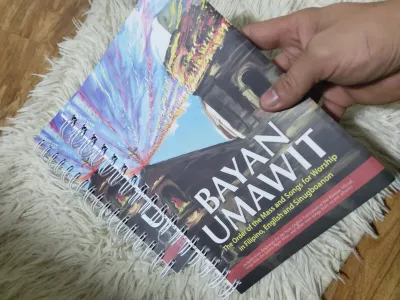
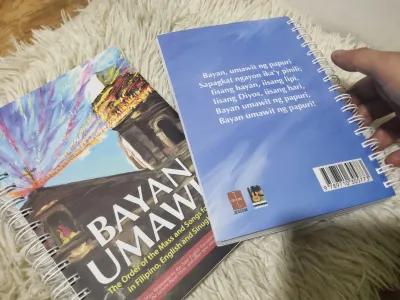
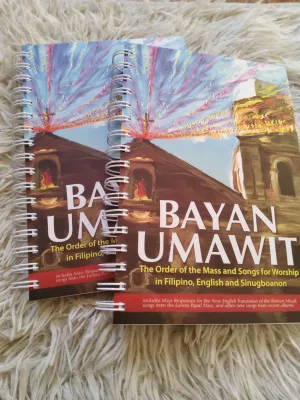
Prices are valid at publication and may change. Please refer to the product page for the latest price.
For those who require musical guidance, the melody-line edition provides the vocal notes alongside the lyrics. This format is incredibly helpful for choir members who read music but do not play an instrument, as it allows them to follow the melody and learn new hymns quickly. It strikes a balance between the simplicity of a lyric sheet and the complexity of a full instrumental score.
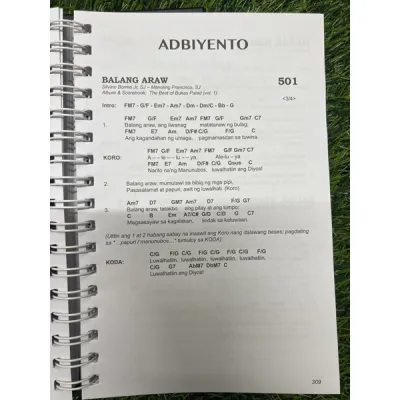
The accompaniment or full-chord edition is designed specifically for instrumentalists, such as guitarists, pianists, and organists. These editions feature guitar chord charts, keyboard arrangements, or complete vocal harmonies. Because these books contain significantly more visual information, they are much larger and heavier than lyric-only versions.
Beyond musical notation, you must pay close attention to liturgical revisions and updated translations. Over the years, ecclesiastical authorities have updated liturgical texts to align with revised translations of the Roman Missal. Checking the copyright page of the songbook is a vital step; it indicates whether the edition incorporates these official updates or if it contains older, phased-out translations that may no longer be permitted for public Mass.
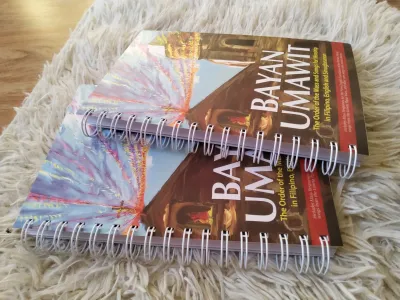
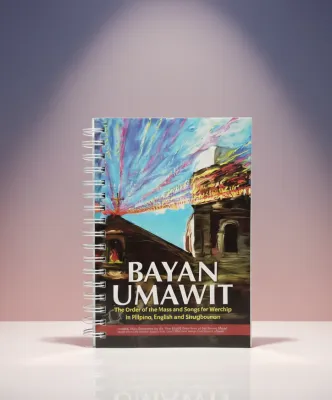
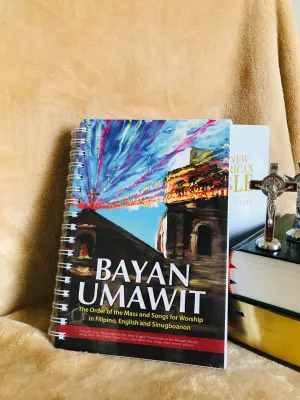
Physical construction is another critical factor, especially in tropical climates where high humidity can affect paper and binding. Perfect-bound books, which use glue to secure the pages to the spine, are compact and neat but can lose their pages over time if the glue degrades in warm weather. Spiral-bound or wire-bound editions, while slightly bulkier, are highly durable and allow the book to lie completely flat, which is a major advantage for active use.
Matching the Songbook to Your Specific Role
Choosing the right songbook is not a one-size-fits-all decision. The best edition for a choir loft is rarely the best edition for a classroom or a home altar. By identifying your primary role, you can narrow down the options to the format that offers the greatest utility and value.

For Church Musicians and Choir Directors
For those responsible for leading the congregation in song, the accompaniment edition is indispensable. Guitarists should look for versions that feature clear chord symbols placed precisely over the lyrics, while keyboardists will require full grand staff notation. Having these details clearly printed prevents performance errors and ensures a smooth, prayerful flow during the liturgy.
It is also the responsibility of the music ministry to ensure strict compliance with diocesan guidelines. Before purchasing a set of songbooks for your choir, verify that the song selection aligns with the approved hymnal list of your specific diocese. Some dioceses mandate particular settings for the Mass parts, such as the Gloria or the Sanctus, which must be verified in the book’s index.
Practical usability during a live service cannot be overstated. A spiral-bound format is highly recommended for musicians because it allows for seamless, one-handed page turns. Perfect-bound books often spring shut on a music stand, disrupting the musician’s focus and potentially interrupting the music during critical moments of the Mass.
For Catechism Teachers and School Use
In educational settings, durability and cost-effectiveness are the primary considerations. When purchasing books in bulk for classrooms or school liturgies, lyric-only or simple melody-line editions are the most practical choice. These versions are significantly more affordable, allowing schools to stretch their budget further when equipping multiple classrooms.
School environments are notoriously tough on books, so the physical build quality must be robust. Look for editions with thick, high-quality paper and sturdy, reinforced softcovers that can withstand being stuffed into student backpacks. Clear, legible typography is also essential to help young readers follow along without straining their eyes.
Additionally, the songbook must contain the specific repertoire used in religious education. Ensure the selected edition includes standard catechism songs, seasonal hymns for Advent and Lent, and Marian devotions, which are central to school-based spiritual activities. A well-rounded index saves teachers time when planning weekly school Masses or classroom prayer services.
For Personal and Family Prayer
For home devotion, the priorities shift toward comfort, portability, and personal preference. If the songbook will be used by elderly family members during family rosaries or home novenas, a large-print edition is highly beneficial. The larger text reduces eye strain and makes it easier to read in the softer lighting of a home prayer corner.
If you travel frequently or participate in basic ecclesial community gatherings outside the parish church, a lightweight and compact format is ideal. A small, lyric-only pocket edition fits easily into a handbag or backpack, ensuring you always have your favorite hymns close at hand for spontaneous prayer sessions or community gatherings.
For individual use, there is rarely a need for complex musical notation unless you play an instrument at home. Opting for a lyric-only version not only reduces the physical weight of the book but also lowers the cost, making it a highly practical addition to your personal spiritual library.
Essential Features to Verify Before Purchasing
To avoid the disappointment of buying an outdated or unauthorized copy, a thorough pre-purchase inspection is necessary. First, always cross-check the International Standard Book Number (ISBN) and the publisher details. Authentic editions of the Bayan Umawit are published by authorized Catholic publishing houses; purchasing these official releases ensures that the composers and lyricists receive their rightful royalties, supporting the ongoing creation of liturgical music.
Second, examine the copyright and publication year carefully. Liturgical standards are not static, and older editions may contain musical settings or text translations that are no longer approved for liturgical use. Confirming that the book reflects the current directives of the local bishops’ conference prevents the accidental purchase of obsolete materials.
Finally, do not rely solely on the book’s title; always inspect the table of contents or the index. Different editions may feature slightly different song lists, and you must verify that the specific hymns required for your parish or school curriculum are actually included. Checking the index beforehand saves you from the frustration of discovering a key liturgical song is missing after the purchase has been made.
Sourcing Authentic and Authorized Copies
Acquiring your songbooks from reputable sources is the best way to guarantee quality and authenticity. Whenever possible, purchase directly from official Catholic bookstores, diocesan communication offices, or authorized religious goods shops located within parish grounds. These establishments source their inventory directly from the official publishers, ensuring you receive genuine, high-quality prints.
If you choose to purchase through online marketplaces, extra caution is required. Verify the seller’s credentials and look for official store badges or direct links to established Catholic distributors. Read recent buyer reviews carefully, paying close attention to feedback regarding print clarity, paper thickness, and binding durability, as unauthorized reprints often suffer from blurry text and weak binding that falls apart quickly.
For parishes and schools planning bulk purchases, it is highly recommended to consult your parish priest or the diocesan liturgical commission. They often have direct channels to the publishers and can facilitate bulk-order discounts. This collaborative approach not only secures the correct, authorized editions for your community but also ensures the most efficient use of parish or school funds.
Frequently Asked Questions (FAQ)
Is a digital or PDF version of the songbook officially available?
Official digital versions or PDF licenses of the songbook must be obtained directly from the authorized publisher or your diocesan liturgical office. While digital tablets are increasingly common for choir directors and instrumentalists, using unauthorized scanned copies or downloaded PDFs violates copyright laws and deprives the creators of their royalties. For public parish projections, always ensure the parish has secured the appropriate projection licenses from the copyright holders.
Do I need the revised edition for Sunday Mass?
Yes, in most cases, diocesan liturgical commissions mandate the use of the revised editions for public worship to ensure all songs and Mass parts align with the current approved translations. Using older, unrevised editions can lead to discrepancies between the choir’s songs and the congregation’s responses. Always check with your parish priest or music director to confirm which specific edition is currently authorized for use in your local community before making a purchase.
Community discussion
Share your experience or ask a question. Comments are reviewed before publication.